
Vandaag of morgen in huis

Kwaliteit gegarandeerd

Welkomstaanbiedingen ontgrendelen: GRATIS bezorging | Tot 80% korting | Gratis 30 dagen JoyPlus-proefperiode
Download de app
A jar of tomato sauce might seem simple to pick, but the differences in ingredients, texture, salt and added sugars are significant. Whether you're after a quick pasta sauce, pizza sauce or tomato purée for your store cupboard, it pays to look beyond the front of the pack.
Three common pitfalls when buying tomato sauce:
The tomato percentage gives you a first idea of the base, but it doesn't tell you everything about the flavour. Also check whether the product is made from tomato pulp, passata, tomato purée or a combination.
If you want a tomato sauce without added sugars, check both the ingredients list and the nutrition table. "Sugars" in the table can occur naturally from tomatoes. That's different from added sugar.
Look out for ingredients such as:
With an organic tomato sauce, you should also check the official organic certification mark on the packaging. The term "natural" does not automatically mean a product is organic.
Compare the nutritional values per 100 grams. This way you can fairly compare products side by side, regardless of jar size. Pay particular attention to the salt content and allergen information if you're cooking for several people.
Product specifications can change per pack or batch. So always check the current label before buying. If the packaging is damaged, leaking or swollen, it's best not to use the product.
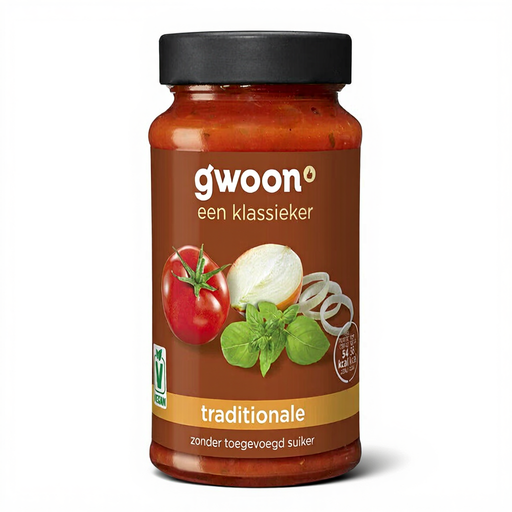
Why it fits the profile: This ready-made pasta sauce is ideal for a quick weekday meal. Simply heat the sauce and add it to cooked pasta.
The ingredients list 79% tomato and 9% tomato purée. There is no added sugar stated in the product information.
295 g; basil, olive oil and herbs; 36 kcal and 0.65 g salt per 100 g according to the product information.
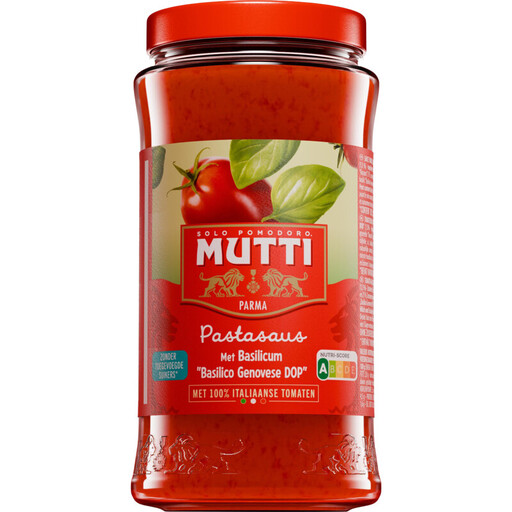
Why it fits the profile: A fitting choice for anyone looking for a ready-made Italian tomato sauce with a clear basil profile.
The composition is clear: 60% tomato pulp, 21% passata, 10.2% tomato concentrate and 1.5% basil.
56 kcal per 100 g; according to the product information, only naturally occurring sugars; ready to use for pasta.
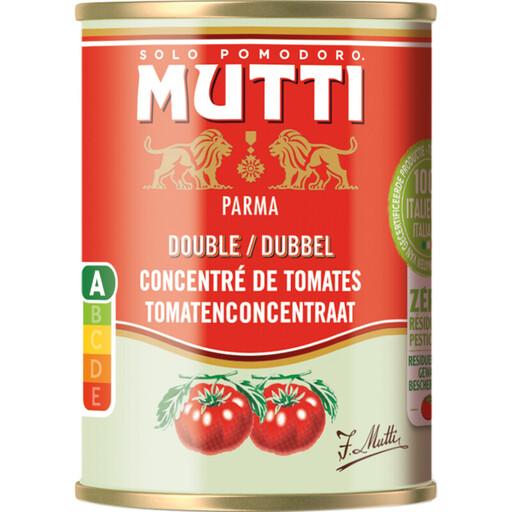
Why it fits the profile: Handy for households that want to flavour their own sauces, soups, stews or pizzas.
It's not a thin ready-made sauce, but a concentrated base that you can measure out per recipe.
99.5% tomato and salt according to the product information; suitable for both short and longer cooking times.
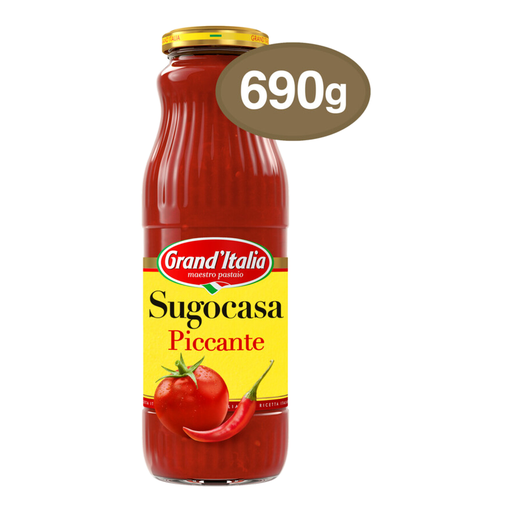
Why it fits the profile: The large jar suits families or households that regularly make pasta, lasagne or pizza with a spicy base.
The heat comes from chilli pepper, at 0.35%, plus bell pepper, onion and garlic, according to the ingredients list.
690 g; 73% tomato and 15% tomato concentrate; 48 kcal per 100 g according to the product information.
We've put together a full, up-to-date list of products that fully meet these strict selection criteria and comply with current European safety regulations.
Pizza sauce is usually thicker and designed to be spread over the base before baking. Pasta sauce is often more liquid and already contains flavourings such as onion, basil or other herbs. Check the preparation instructions and texture on the label.
Store opened tomato sauce according to the instructions on the packaging, typically refrigerated and tightly sealed. Always use clean utensils to limit cross-contamination. Check the smell, colour and texture before use. Discard the sauce if you notice any signs of spoilage.
Technically you can, but the flavour is different. Ketchup often contains vinegar and sugar or sweeteners. For pasta, a regular pasta sauce, passata or tomato base is usually more appropriate. Use ketchup mainly as a flavour enhancer for snacks, chips or certain stir-fry dishes.
