
Vandaag of morgen in huis

Kwaliteit gegarandeerd

Welkomstaanbiedingen ontgrendelen: GRATIS bezorging | Tot 80% korting | Gratis 30 dagen JoyPlus-proefperiode
Download de app
A mop might seem like a simple household product, but differences in material, attachment, and ease of use can determine how much effort it takes to clean. A mop cloth that's too small, a poorly fitting pad, or a bucket that doesn't separate dirty water can make cleaning more of a chore.
For UK households, there are three main pitfalls to watch out for:
First, check your floor type and how you plan to clean. Tiles and marble can generally handle more moisture, whereas it's better to use a damp cloth on wood and laminate. For delicate floors, always consult the manufacturer's instructions.
A microfibre mop is ideal for the daily removal of dust, hair, and light dirt. Microfibres absorb moisture and dirt, but their effectiveness depends on the fibre density, the condition of the cloth, and how it's maintained. According to the product description, the 50 x 70 cm microfibre mop has a density of 380 g/m², a hook and loop fastening, and is washable at 60 °C.
If you don't want to wring out the mop by hand every time, consider a flat mop and bucket set. A system that separates clean and dirty water stops you from rinsing the mop in the same dirty water over and over. Also, pay attention to the width of the mop head: a wide head is fast on open floors but less manoeuvrable between chair legs and in tight corners.
A washable mop head reduces the use of disposable cloths, provided it can be washed properly. Check:
Several microfibre products in our range state they can be washed at 60 °C. According to the product information, you should not use fabric softener, as this can affect the fibre's performance and lifespan. Allow the cloth to dry completely to prevent odours from developing.
A mop cloth measuring 50 x 60 cm or 50 x 70 cm offers a large cleaning surface, but it must fit the mop plate. Hook and loop fasteners, press studs, or a specific holder will keep the cloth in place. A loose cloth will slide around while mopping the floor and can just spread dirt around.
Size is even more critical for a robot vacuum cleaner. Always check the exact model number. A pad that's suitable for the Dreame L10s Ultra won't automatically fit another brand or model. Also, pay attention to the position of the attachment points and the shape of the pad.
A manual mop uses very little electricity but requires time and regular washing. An electric floor cleaner uses power and water but combines vacuuming and mopping. With a robot vacuum that also mops, you'll have the added cost of consumables, filters, electricity, and sometimes dust bags.
So, don't just look at suction power or a long list of features. Also check:
High suction power, such as 6,000 Pa or 10,000 Pa, is a stated product specification. The actual result also depends on the floor type, brush, type of dirt, and maintenance.
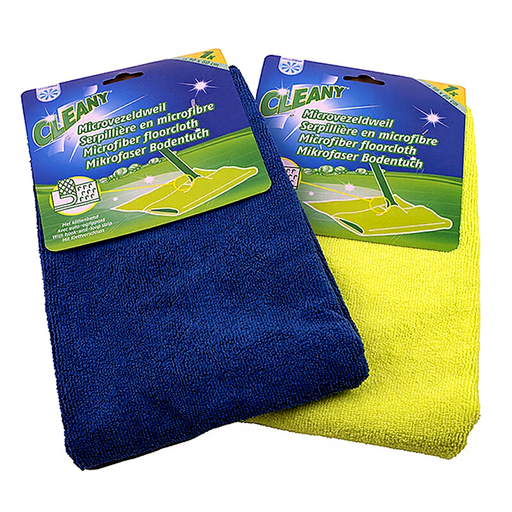
Why it's a good fit: A practical choice for anyone who wants to mop manually without electrical parts or a complicated setup.
The 50 x 60 cm dimensions and the hook and loop fastening are clearly stated. According to the product specification, the package contains three packs, each with one mop.
Microfibre material, washable at 60 °C according to the product description, and suitable for smooth surfaces.
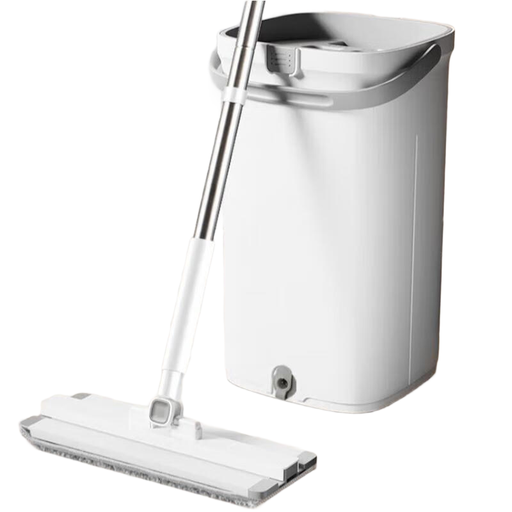
Why it's a good fit: Ideal for households that want to work faster and keep their hands dry while rinsing the mop.
The system is designed with separate zones for washing and wringing. This means you don't have to keep rinsing the mop in the same bucket of dirty water.
32 cm flat mop head, microfibre pad, and a bucket that separates clean and dirty water, according to the product description.

Why it's a good fit: A solution for larger hard floors, pet hair, and liquid spills where you need to combine vacuuming and mopping.
Three modes and three water levels are specified. The low level is intended for wooden floors, the medium for tiles, and the high for stubborn stains.
According to the product specifications, the D100 has a 650 ml clean water tank, a 700 ml dirty water tank, and a maximum run time of up to 35 minutes.
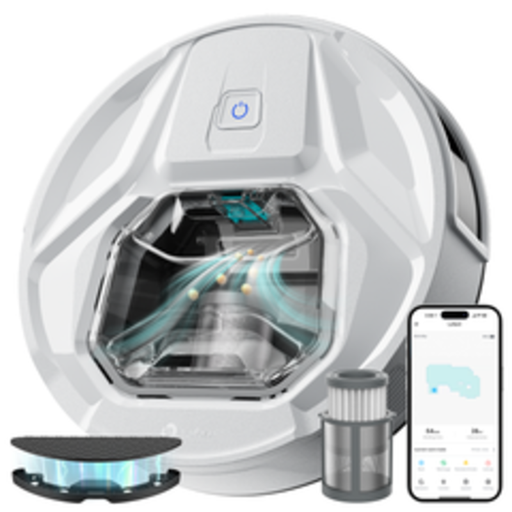
Why it's a good fit: Convenient for those who want daily dust, hair, and light dirt tackled without having to mop the floor themselves every time.
The product specifications mention carpet recognition and obstacle detection. Just make sure to clear the floor of cables and don't let the robot run over puddles.
According to the product information, this model offers 6,000 Pa suction power, up to 210 minutes of run time, an 800 ml dustbin, and can be controlled via an app, Alexa, and Google Assistant.
We have compiled a complete, up-to-date list of products that fully meet these strict selection criteria and comply with current European safety regulations.
That depends on usage, floor area, and wear and tear. Replace the pad when it becomes thin, frayed, or less absorbent. For robot models, you should also check that the pad still fits the holder securely.
Not always. A mop for hard floors might be suitable for tiles, vinyl, or sealed wood, but untreated wood, waxed floors, and carpet require different instructions. Check the floor manufacturer's advice and use the minimum amount of water necessary.
The purchase price and electricity consumption are generally higher, and you'll need replacement mop pads and filters. However, you save a lot of time. For a small area, a standard microfibre mop is often sufficient; for daily maintenance in a large household, automation can be more practical.
