
Vandaag of morgen in huis

Kwaliteit gegarandeerd

Welkomstaanbiedingen ontgrendelen: GRATIS bezorging | Tot 80% korting | Gratis 30 dagen JoyPlus-proefperiode
Download de app
A good sun hat is indispensable for anyone who loves the outdoors. Whether you're hiking, working in the garden, or fishing, effective sun protection is not an optional luxury. However, the market offers an overwhelming number of choices, and not every hat that looks good actually provides the protection you need. Many people fall into common traps, ending up with a hat that's uncomfortable, offers inadequate protection, or gets relegated to the closet after just one season.
Before you make a purchase, it's wise to know what to look for. We'll discuss the three most common mistakes and how you can avoid them.
To avoid buyer's remorse, it's important to focus on a few objective features. These specifications determine whether a sun hat is truly functional for your outdoor activities.
The most important specification for a sun hat with UV protection is the Ultraviolet Protection Factor (UPF). This value indicates how much UV radiation is blocked by the fabric.
The material determines the hat's comfort and durability. A good outdoor hat strikes a balance between protection and ease of wear.
Some features may seem minor, but they make a huge difference in usability.
Based on these functional criteria, we have selected a few models that suit different user profiles.

Why it's a match for hikers: This model is lightweight, packable, and fits easily into any backpack. The adjustable chin cord ensures the hat stays put during a windy trek. Ideal for those seeking a reliable and practical hiking hat.
This hat addresses the pitfalls of impractical design and poor fit. It is specifically designed to be packable and features both a size-adjustment drawstring and a chin cord.
The combination of UPF 50+ protection, waterproof nylon, and breathable mesh panels makes it suitable for unpredictable weather.
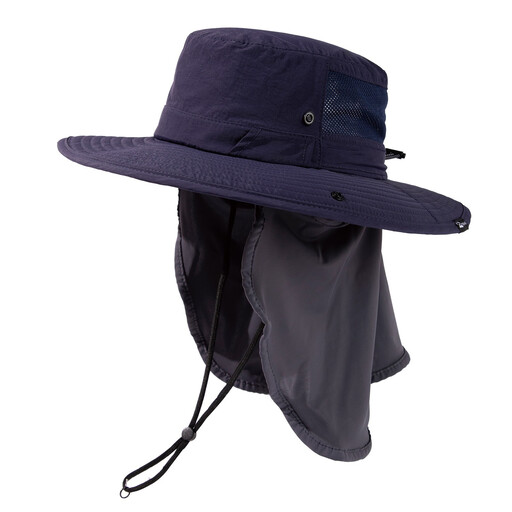
Why it's a match for gardeners/anglers: The detachable neck flap offers maximum protection for the neck, which is often exposed during forward-leaning work. This makes it an excellent choice as a fishing hat or for long days in the garden.
This model tackles the pitfall of incomplete protection. Where a standard hat leaves the neck exposed, the wide brim combined with the neck flap provides 360-degree coverage.
The sun hat with a neck flap is a 2-in-1 design. The flap can be rolled up and stored in the hat, allowing you to wear it as a regular cap as well.

Why it's a match for this user: The ponytail opening solves a common problem. Hair can be comfortably pulled through the opening, allowing the hat to sit securely and properly on the head without feeling tight.
This model directly addresses the pitfall of poor fit and discomfort. A standard hat often doesn't sit well over a ponytail or bun, but this design is specifically made for it.
The combination of the hat with a ponytail hole, a wide brim, and a packable design makes this a highly functional and comfortable women's bucket hat for travel and daily use.
We have compiled a complete, up-to-date list of products that meet these strict selection criteria.
The right size is essential for comfort. Measure the circumference of your head with a measuring tape, just above your ears and eyebrows. Compare this measurement with the product's size chart. Many functional sun hats have an adjustable drawstring on the inside or back, allowing you to fine-tune the fit. This is a useful feature if you're between sizes.
Always check the hat's care label. Many hats made of nylon or polyester, like the models we've highlighted, can be machine washed on a cold, gentle cycle. However, it's advisable to air-dry them to maintain their shape. Hand washing is often the safest option to ensure the longevity of the hat and the integrity of the materials.
The UPF protection in quality fabrics is typically very durable. It is achieved through the density of the weave or a treatment of the fibres. The protection will not simply "wash out". However, its effectiveness can diminish if the fabric becomes damaged by wear and tear, holes, or if it is extremely stretched. As long as the hat is in good condition, you can rely on the stated protection factor.
