
Vandaag of morgen in huis

Kwaliteit gegarandeerd

Welkomstaanbiedingen ontgrendelen: GRATIS bezorging | Tot 80% korting | Gratis 30 dagen JoyPlus-proefperiode
Download de app
When you search for sugar-free drinks online, you’ll quickly be faced with a long list of zero-sugar fizzy drinks, sugar-free iced tea, alcohol-free beer and mixers. But “zero”, “light” or “no added sugar” don’t automatically mean the same thing. The difference often lies in the ingredients, nutritional values, serving size and when you plan to drink them.
These practical checkpoints will help you avoid buying a large pack that doesn’t suit your taste or lifestyle.
A drink can have no added sugar and still contain naturally occurring sugars. You’ll see this with coconut water, for example. Always check the “of which sugars” per 100 ml line. With plant-based drinks, the difference between “unsweetened” and “no added sugar” is also important.
Melkan Unsweetened Almond Drink, for instance, lists 0 grams of sugar and 0.1 grams of carbohydrates per 100 ml. The ingredients list contains water, 2% almonds, thickeners, salt and added vitamins, but no sugar.
Zero cola and sugar-free squash are usually sweetened with sweeteners such as sucralose, acesulfame-K, aspartame or steviol glycosides. This helps keep the sugar and energy content low, but the taste can be different from regular fizzy drinks.
Also look out for warnings. Coca-Cola Zero Sugar Caffeine Free, for example, states that it contains a source of phenylalanine, due to aspartame. So check the packaging if you want to avoid certain sweeteners.
Tonic water often contains sugar. Fever-Tree Elderflower Tonic Water has 7.8 grams of sugar per 100 ml according to the product information. London Tonic Water and London Bitter Lemon also contain sugar, despite the use of sweeteners in the recipe.
Alcohol-free beer generally contains less alcohol, but that doesn’t necessarily mean it’s low in sugar or calories. Corona Cero contains 2.3 grams of sugar and 56 kcal per bottle according to the product information. “0.0% alcohol” therefore mainly tells you about the alcohol content, not the nutritional value.
First, compare the nutritional value per 100 ml. Look at:
A 250 ml can may be low in calories, while a multipack of 24 cans is handy for stocking up or parties. For everyday use, a 1.5 litre bottle might seem better value, but once opened you’ll need to keep it chilled and use it within the stated time.
Read the ingredients list if you want to avoid certain substances. Zero cola can contain caffeine, whereas Coca-Cola Zero Sugar Caffeine Free is offered without caffeine. Pepsi Zero Cream Soda does contain caffeine according to the product information.
With plant-based drinks, allergens and suitability for your diet are important. The Melkan almond drink does not list any of the 14 major EU allergens in the product information provided. Always check the current label, especially if recipes have changed.
Choose the size based on how you’ll use it:
Store unopened drinks according to the label, usually in a cool place out of direct sunlight. Once opened, many products need to be kept in the fridge. With alcohol-free beer, also check the alcohol percentage, gluten content and the bottle or pack closure.
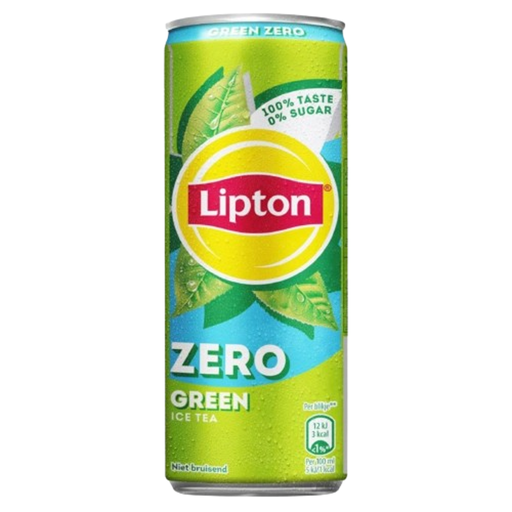
Why this suits the profile: The small size is ideal for trying a sugar-free iced tea without committing to a large stock.
The product information states 0 grams of sugar and 1.2 kcal per 100 ml. Do check that the taste and sweeteners used suit your preference.
250 ml per pack, 0 grams of sugar per 100 ml and green tea extract according to the product label.

Why this suits the profile: If you’re after a plant-based drink with a more natural flavour profile, this multipack is ideal for serving chilled at home.
The description says “no added sugar”; that’s not the same as 0 grams of natural sugar. So check the current nutritional information table.
12 cans of 330 ml, described as 100% coconut water, 2% coconut pieces and vegan.

Why this suits the profile: A multipack is practical for parties, a family or anyone who regularly wants to serve caffeine-free fizzy drinks.
The product details state 0 grams of sugar and 0.3 kcal per 100 ml. The ingredients do contain aspartame and acesulfame-K.
24 cans of 330 ml, caffeine-free according to the product description and suitable for serving chilled.
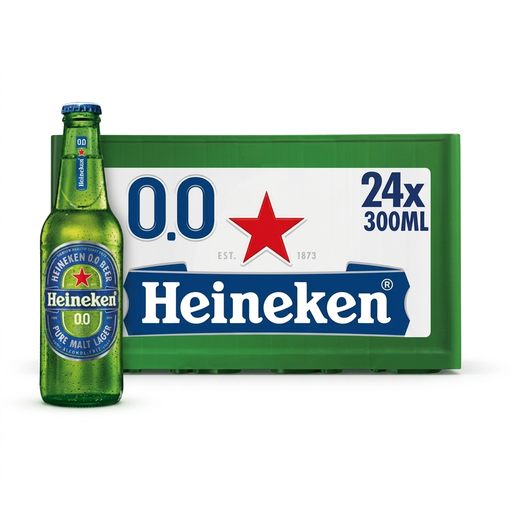
Why this suits the profile: Ideal for drinks and meals where you still want to enjoy a beer, but are looking for 0.0% alcohol according to the product information.
The alcohol declaration is clear: 0.0%. This avoids confusion between alcohol-free and a product with a low alcohol percentage.
24 bottles of 300 ml, 0.0% alcohol and according to the product information none of the 14 major EU allergens.
We’ve put together a full, up-to-date list of products that fully meet these strict selection criteria and comply with current European safety regulations.
Often yes, but check the nutritional value per 100 ml. For example, Coca-Cola Zero Sugar Caffeine Free states 0.3 kcal per 100 ml. Other drinks labelled “zero” may have a slightly higher energy content due to the recipe or product information. So don’t just look at the front of the pack.
No. Alcohol-free beer can still contain carbohydrates and sugars. Corona Cero, for instance, lists 2.3 grams of sugar per bottle according to the product information provided. If your main aim is to reduce sugar, compare the nutritional information table rather than just the alcohol percentage.
Always follow the storage advice on the packaging. Many fizzy drinks, iced teas and plant-based drinks need to be kept in the fridge after opening and used within the stated time. Seal bottles tightly and check the smell, taste and packaging before drinking.
