
Vandaag of morgen in huis

Kwaliteit gegarandeerd

Welkomstaanbiedingen ontgrendelen: GRATIS bezorging | Tot 80% korting | Gratis 30 dagen JoyPlus-proefperiode
Download de app
If you exercise regularly, you will soon come across a wide range of sports supplements: from creatine and electrolytes to pre-workout, amino acids and sports multivitamins. The differences between products are not limited to the packaging or flavour. The dosage, ingredients list, format and warnings all determine whether a supplement is right for your training.
As a Joybuy Product Recommendation Officer, I mainly focus on verifiable product information. This helps you avoid paying for an attractive claim that says little about the actual ingredients.
Words such as creatine, electrolytes and amino acids may sound familiar, but always check how much of the active ingredient is present per daily serving. A product may list several ingredients, while the amount of each one remains limited.
With creatine, for example, it is important to check the number of grams of creatine monohydrate per daily serving. With electrolytes, look at the individual amounts of sodium, potassium, magnesium and calcium.
A pack may contain a large number of capsules, gummies or scoops, but the relevant question is: how many days of use will you get from it? Four creatine capsules may provide 3,000 mg of creatine in total, while one serving of a powder may offer a different ratio.
Therefore, compare:
Sugar-free supplements may contain sweeteners such as maltitol, sorbitol, sucralose or steviol glycosides. Some people may experience a laxative effect when consuming large amounts. Also check whether a product contains caffeine. This is relevant for pre-workout products and some electrolyte products.
A supplement is not a replacement for a varied diet. Follow the dosage on the label and consult a doctor or pharmacist if you take medication, are pregnant or breastfeeding, or have a medical condition.
The format mainly determines how convenient a product is to use. Powder is often practical if you use a shaker and want to measure the amount yourself. Creatine capsules and creatine gummies are easier to take with you, but you need to consume more units to reach the same daily dosage.
Lucovitaal Creatine Gummies list 3,000 mg of creatine monohydrate per three gummies. The manufacturer recommends three to six gummies per day, and you should not exceed the recommended amount.
Choose a product based on the full ingredients list, not just the front of the packaging. If you follow a vegan diet, look for an explicit statement such as vegan or plant-based capsule. If you have allergies, always check the current packaging, even if a product states that it contains none of the 14 major EU allergens.
For vegan supplements, options include creatine powder, certain capsules and some pre-workout products. The product information remains the deciding factor.
Match the product to when you want to use it:
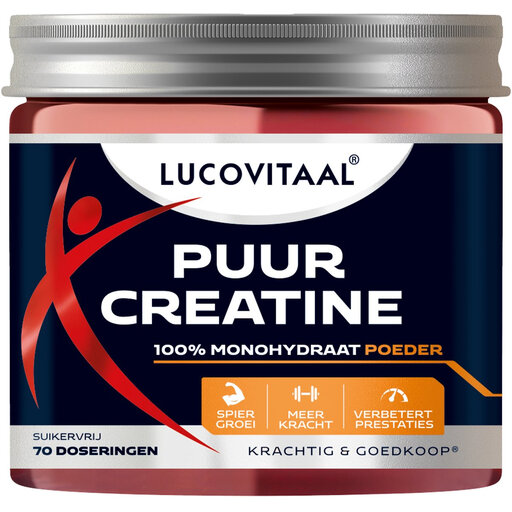
Why it suits this profile: A simple powder format for athletes who want to add creatine without flavourings or a complex blend.
The ingredients list states 100% creatine monohydrate. This makes it clear what you are buying, without having to assess a blended formula with dosages that are difficult to compare.
210 grams of powder, vegan and sugar-free; the product information recommends 3 to 6 grams with water or plant-based milk.
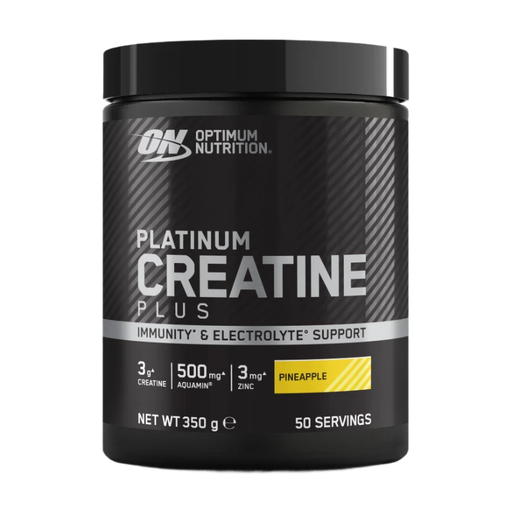
Why it suits this profile: Suitable for anyone looking for creatine together with magnesium, zinc and B vitamins in one powder formula.
The formulation lists 3 grams of creatine per serving, along with the individual amounts of magnesium, zinc and B vitamins.
350 grams of powder, 3 grams of creatine per serving and clear preparation instructions using 350 ml of water.
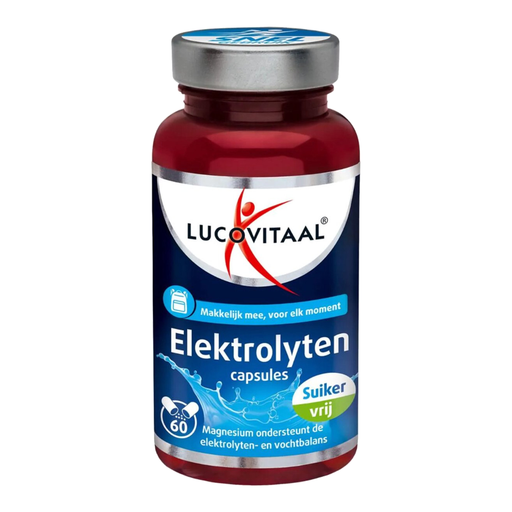
Why it suits this profile: Convenient for adults who want to take electrolytes with them without powder, flavourings or sugar.
The product information states that two capsules provide 125 mg of sodium, 300 mg of potassium, 56.25 mg of magnesium and 120 mg of calcium.
60 capsules, vegan according to the product information and sugar-free; the recommended use is two capsules with plenty of water.
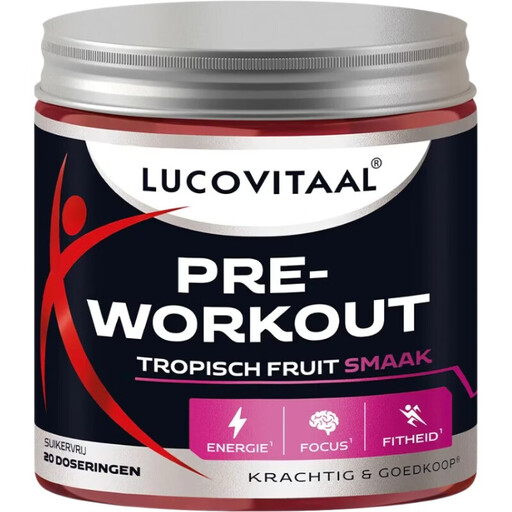
Why it suits this profile: For adults who want to use a powder before training and are mindful of their caffeine intake.
The information clearly states that each daily serving contains 150 mg of caffeine and recommends taking it 15 to 30 minutes before training.
Contains L-citrulline, beta-alanine, taurine, glycerol, magnesium and B vitamins, among other ingredients; vegan according to the product information.
We have put together a complete, up-to-date list of products that fully meet these strict selection criteria and the applicable European safety regulations.
Start with your training goal and diet. Some athletes choose creatine monohydrate for strength training because its dosage is clear. Electrolytes can be practical during prolonged or intense exercise, while a pre-workout is not necessary for every training session. First compare the ingredients and cost per serving.
Not necessarily. Creatine gummies are easy to take with you and do not need to be mixed. Powder often gives you more flexibility when it comes to dosage and, in a simple formula, contains few additional ingredients. Check the amount of creatine per daily serving and choose the format you can use consistently.
Check the best-before date and storage instructions on the packaging. As a general rule, store powders, capsules and gummies in a dry, cool place away from direct sunlight. Close the packaging securely after use. Do not use a product if the packaging is damaged or if its smell, colour or texture has clearly changed.
