
Vandaag of morgen in huis

Kwaliteit gegarandeerd

Welkomstaanbiedingen ontgrendelen: GRATIS bezorging | Tot 80% korting | Gratis 30 dagen JoyPlus-proefperiode
Download de app
Buying sports shoes online seems straightforward, until you have to choose between running shoes, men’s trainers, trail running shoes and walking shoes. An attractive photo and phrases such as “extra comfort” do not tell you whether a shoe is suitable for your feet, the surface you run on or how long you intend to wear it.
The most important question is therefore not which model looks best, but where, how often and what you use the shoes for. Below, you’ll find out which specifications to check, which marketing claims to treat with some caution and which models suit different situations.
A soft insole feels comfortable when trying shoes on, but it does not automatically say anything about stability or suitability for running. For short runs on tarmac, a model with a foam midsole may be sufficient. For longer distances or intensive training, fit, heel support and durability are also important.
So pay attention to the construction of the midsole, rather than just terms such as “comfortable” or “shock absorbing”. Brands describe their own technologies in different ways. According to adidas product information, for example, certain models use Cloudfoam or Dreamstrike for cushioning; this remains a product specification and is not a guarantee of a particular running experience.
A mesh upper can improve air circulation, which is useful for running or everyday wear. On wet woodland paths, however, mesh alone does not provide waterproofing. If you often walk through rain, mud or wet grass, it is better to look for a model with an explicitly stated waterproof lining, such as a GORE-TEX membrane.
Size charts vary by brand and model. Always check the foot length in centimetres or millimetres, the width and the stated fit type. A standard fit is not the same as a wide last. With children’s trainers, extra room for growth can be useful, but shoes that are too large may feel less stable during play and running.
A sole with a deep tread is not always comfortable on smooth tarmac. Conversely, a flatter tread may provide less grip on mud or loose stones. So look specifically for sports shoes with good grip for the surface you actually run or walk on.
A lightweight sports shoe can be comfortable for speed or daily training, while a sturdier model may offer more protection from stones and uneven ground. Check:
This information helps you compare sports shoes with cushioning without relying solely on advertising language.
Laces offer an adjustable fit, while a hook-and-loop fastening can be practical for children’s shoes. Also check the care instructions. Many models must not be put in the washing machine and should be left to air-dry. Heat can damage glue, foam and synthetic materials.
When ordering online, it is a good idea to measure your feet at the end of the day. Compare the longer foot with the product’s size chart. Also check whether the insole is removable if you use your own orthotic insole.
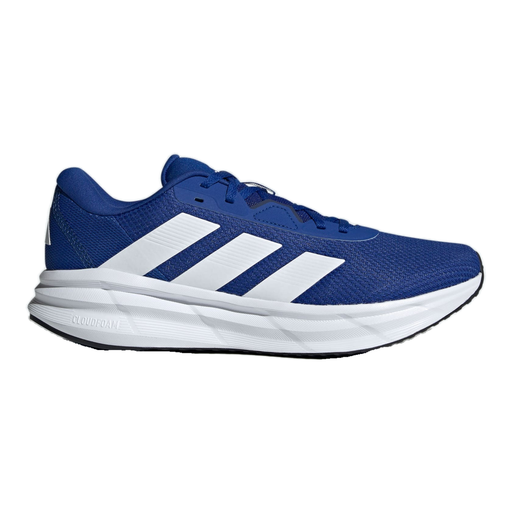
Why it suits this profile: According to the product description, this model is designed for everyday running and longer distances on roads, with a standard fit and lace fastening.
The product page lists the midsole, outsole and fit separately. This means you can assess the shoe using specific information, rather than relying only on the word comfort.
Cloudfoam midsole, breathable textile and TPU outsole. The stated foot length is 270 mm for EU size 42.
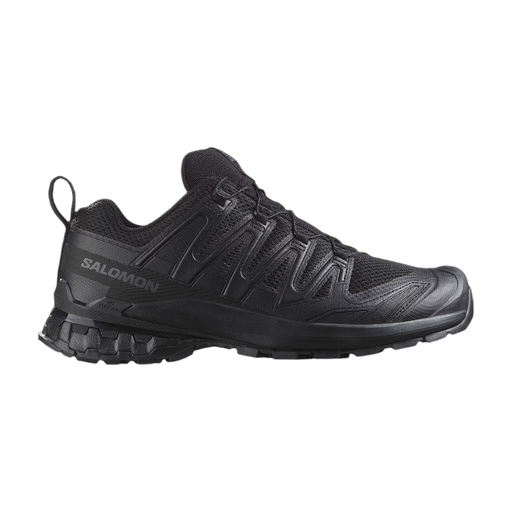
Why it suits this profile: This model is designed for trail running and walking on technical or varied terrain, where grip and protection are more important than an especially soft urban sole.
The product information explicitly mentions a GORE-TEX membrane, a reinforced toe and heel, and a Contagrip outsole. This makes it easier to assess whether it is suitable for wet and uneven routes.
Waterproof membrane according to the product description, 3D Advanced Chassis and Quicklace fastening.
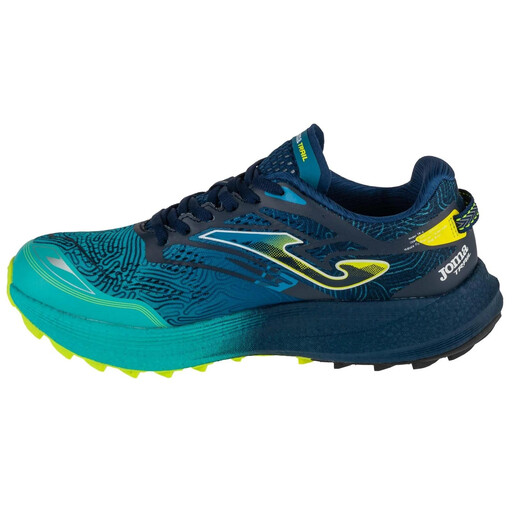
Why it suits this profile: An option for trail runners who want to combine a lightweight mesh upper with protection around the toe and heel and a treaded sole.
The description specifies an EVA midsole, high-grip rubber outsole and reinforced areas. However, check whether size 44 and the D width suit your feet.
Breathable mesh, EVA cushioning, rubber sole and extra reinforcement in the shoe’s impact-prone areas.
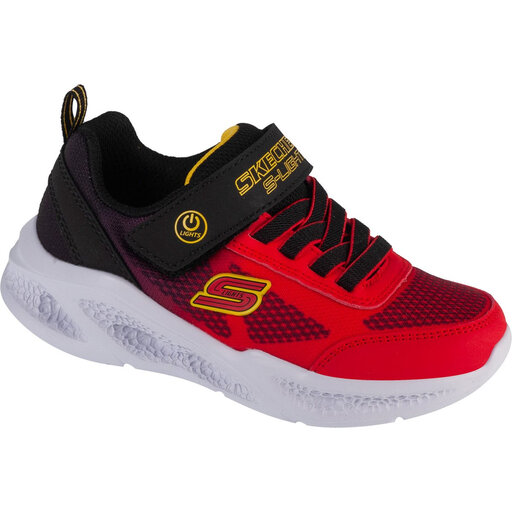
Why it suits this profile: These boys’ children’s trainers have a hook-and-loop fastening and a standard fit, making them practical for school, play and putting on independently.
The size, D width, fastening and materials are listed. This allows you to check in advance whether the shoe suits your child’s feet and daily routine.
Hook-and-loop fastening, rubber sole, synthetic upper and a standard fit according to the product details.
We’ve put together a complete, up-to-date list of products that fully meet these strict selection criteria and the applicable European safety regulations.
Measure both feet in millimetres while standing upright and compare the longer foot with the size chart for the specific model. Also check the width: D often indicates a standard width, but the precise fit can vary by brand. If you’re unsure, the returns policy and information about the “standard fit” are important.
Lifespan depends on body weight, running frequency, surface, care and the sole material. Don’t look only at the calendar; check for visible wear too. A tread that has become smooth, cracks or a compressed midsole are all signs that the shoes should be replaced. Walking shoes and everyday trainers can last longer when they are subjected to less intensive use.
Not as a rule. Many product pages recommend cleaning with a damp cloth and allowing the shoes to dry naturally. Always check the care label. Brush off dried mud first, avoid harsh cleaning products and do not place shoes on a radiator. This helps limit unnecessary damage to the glue, lining and foam.
