
Vandaag of morgen in huis

Kwaliteit gegarandeerd

Welkomstaanbiedingen ontgrendelen: GRATIS bezorging | Tot 80% korting | Gratis 30 dagen JoyPlus-proefperiode
Download de app
A soya drink can be a practical alternative to cow’s milk, for example if you follow a vegan diet, have lactose intolerance, or simply prefer to use plant-based products. However, the range on offer varies widely. Some varieties are designed specifically for coffee, others for breakfast or for drinking straight. The sugar content, portion size and amount of added nutrients also differ.
So don’t just rely on words like “creamy”, “natural” or “high in protein”. The nutrition table and ingredients list give you a much clearer picture of what you’re actually buying.
An original soya drink can contain sugar. For example, Alpro Soyadrink Original lists 2.5 grams of sugar per 100 ml. According to the product information, the banana flavour contains 6 grams of sugar per 100 ml, and the vanilla version contains 6.8 grams.
That doesn’t automatically make flavoured drinks unsuitable, but they’re less ideal if you’re looking for an unsweetened soya drink. So always check:
A pack may highlight calcium, but the amount varies from brand to brand. Alpro Unsweetened Soy Drink states 120 mg of calcium per 100 ml. Yeo’s Black Soy Drink states 67 mg per 100 ml. Other products only mention that calcium has been added, without the full value being immediately visible in the sales copy.
So compare the figure in the nutrition table. Also look at where the claim comes from. If a brand talks about nutritional benefits, treat that information as a brand claim and check the corresponding values on the label.
A box of twelve 1-litre packs may seem good value, but it takes up a lot of space. According to the instructions on the packaging, UHT soya drink can usually be stored outside the fridge before opening. Once opened, the drink generally needs to be kept refrigerated and used within the stated period.
Smaller packs, such as 190 ml, 200 ml or 250 ml, are more convenient for on the go and help reduce waste. Always check the best-before date, storage instructions and the condition of the packaging with every purchase.
For everyday use in porridge, smoothies or pancakes, a neutral variety is often the most versatile. An unsweetened soya drink typically has no added sugar. Alpro Unsweetened Soy Drink states 0 grams of sugar and 3.3 grams of protein per 100 ml.
If you prefer a sweeter drink for drinking straight, then flavours like banana, vanilla, red fruit or pandan are worth considering. Just bear in mind the extra sugars and flavourings. An original soya drink usually has a milder taste than an Asian soya drink made with black beans or roasted grains.
Look at the values per 100 ml, not just per pack. In the selected products, protein levels range from around 2 to 3.3 grams per 100 ml. That difference matters if you use soya drink regularly at breakfast or after exercise.
Also pay attention to:
These figures tell you something about the composition, but they don’t constitute personal dietary advice.
Soya is an allergen and must be clearly stated. Also read the label if you avoid gluten or grains. Some products contain barley, wheat or grains, for example. The product information for V-SOY Original lists soya and gluten from barley. For Alpro products, the online details may also include an allergen warning; always check the current packaging.
“Plant-based”, “vegan” and lactose-free drink don’t mean a product is suitable for everyone. If you have an allergy or medical condition, the ingredients list is what matters most.
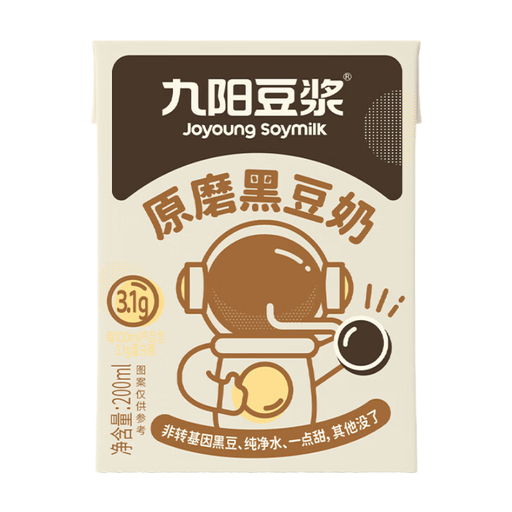
Why this fits the profile: The three 200 ml portion packs are ideal if you want to try a smaller quantity first, or if you need a drink for on the go.
The small multipack reduces the risk of waste and makes a first purchase more manageable than a box of several litre packs.
200 ml per pack, black soya beans, 2.0 grams of sugar and 2.1 grams of protein per 100 ml according to the product information.
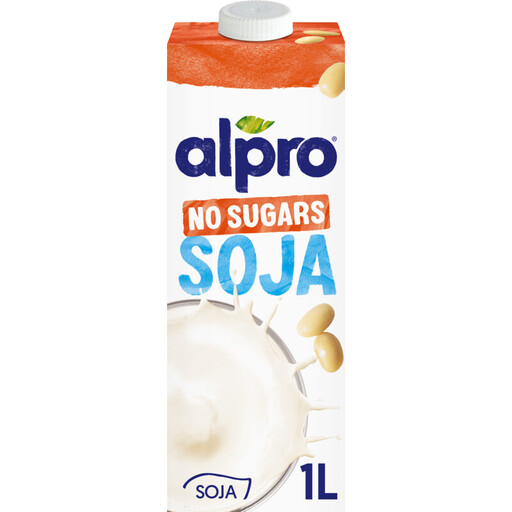
Why this fits the profile: This variety is aimed at shoppers who want a neutral, sugar-free base for breakfast, cooking and smoothies.
The product information states 0 grams of sugar per 100 ml, making the sweetness much easier to assess than with flavoured varieties.
3.3 grams of protein, 120 mg of calcium and added vitamins B2, B12 and D2 per 100 ml according to the stated nutritional values.
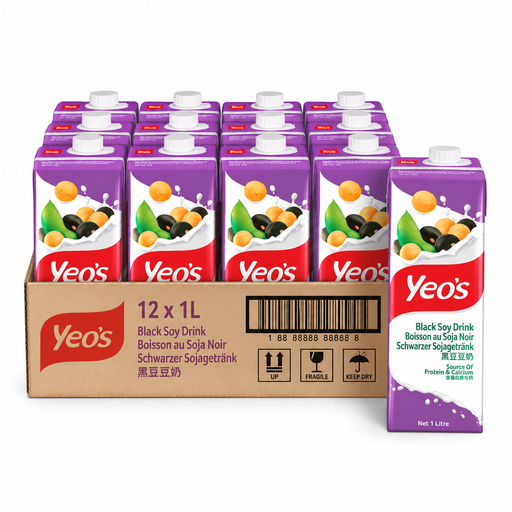
Why this fits the profile: The large multipack is ideal for households that use soya drink daily or want to keep a stock for breakfast and recipes.
The contents are clearly specified as twelve 1-litre packs. This allows you to plan your storage space and consumption in advance.
Contains black soya beans, 67 mg of calcium and 2.0 grams of protein per 100 ml; the packaging advises shaking before use.
We’ve put together a full, up-to-date list of products that fully meet these strict selection criteria and comply with current European safety regulations.
In everyday language, soya drink and soya milk are often used interchangeably. On packaging and in online shops, you’ll usually see “soya drink” or “soya beverage”. The composition varies from product to product, so always check the ingredients and nutritional values.
Choose a variety that the product description says is designed for frothing. Sproud Barista ZERO is described as a drink that can be frothed and contains no sugar or added sweeteners. This is a product made from yellow split peas, so it’s not a soya drink. For coffee made with soya, it’s better to look for an unsweetened soya barista variety and check that it’s suitable for hot drinks.
Follow the instructions on the packaging. Many long-life varieties need to be kept in the fridge after opening and used within a few days. Small portion packs can be handy if you don’t drink a whole litre pack every day.
