
Vandaag of morgen in huis

Kwaliteit gegarandeerd

Welkomstaanbiedingen ontgrendelen: GRATIS bezorging | Tot 80% korting | Gratis 30 dagen JoyPlus-proefperiode
Download de app
Buying shoes online seems easy, but an attractive appearance tells you little about fit, surface suitability or durability. A pair that looks suitable for football in photos may not offer enough grip on artificial turf. And a trainer with a soft insole isn’t necessarily comfortable on long walks.
Use this practical guide to focus on the features that really matter. You can compare sports shoes, football boots, trainers and comfortable shoes objectively.
The abbreviation on the sole matters more than the colour or brand. IN generally means indoor use, TF means turf or artificial grass with short fibres, AG means artificial grass pitches, and FG means firm natural ground.
Don’t wear indoor football boots on artificial grass, or turf boots as a rule in a sports hall. Grip, wear and freedom of movement may not be what you expect. Always check the stated suitable surface before ordering.
An EU size isn’t identical across every model. The shape of the shoe, its width and the material can all affect the fit. A model with a regular fit may feel different from a trainer with a wide last.
Check:
It’s especially important to check the fit for children. Shoes shouldn’t pinch, but too much growing room can make them feel insecure.
Terms such as “performance”, “comfort” and “premium” don’t always provide specific information. Instead, look at the materials and construction. An EVA insole, rubber outsole, reinforced toe or mesh upper are features you can compare.
According to some brands’ product information, certain cushioning or technology may contribute to comfort or responsiveness. That’s not a guarantee for every wearer. Fit, use and personal preference are still what matter most.
For football boots, the sole type is the first thing to consider. For indoor football and futsal, models with a non-marking rubber sole are designed to provide grip without leaving marks on the floor. For artificial grass, multi-stud soles, such as those on some TF models, are a practical choice. Product descriptions state that AG soles are designed for artificial grass pitches.
For lacrosse shoes, check whether the model is designed for natural grass or another surface. The Nike Huarache 9 Varsity Lax FG is described in its product information as having an FG stud configuration for natural grass pitches. Don’t assume this type of shoe is suitable for every sports surface.
A synthetic upper is often easy to clean and may offer extra support. Textile and mesh can feel lighter and more breathable. Leather or synthetic leather may feel more structured, but usually needs more careful maintenance.
For everyday wear, trainers with a combination of textile, mesh and rubber are worth comparing for:
An EVA or foam insole can affect comfort. Some Skechers shoes are listed as having an Air-Cooled Memory Foam or memory foam insole. Check whether the insole is removable, as this varies by model.
Laces offer the most adjustment. Hook-and-loop fastenings are practical for children’s shoes, for example when a child needs to put them on independently. A good fastening keeps the foot in place without the laces or strap being pulled too tight.

Why it suits this type of wearer: This model is designed for futsal and indoor football. Its regular fit, lace fastening and indoor sole make it a straightforward choice for beginners training in a sports hall.
The product information clearly states that it’s for indoor use and has a non-marking rubber sole. That makes the choice less dependent on general marketing terms.
Synthetic and textile upper, reinforced toe, EVA insole and flexible rubber indoor sole.
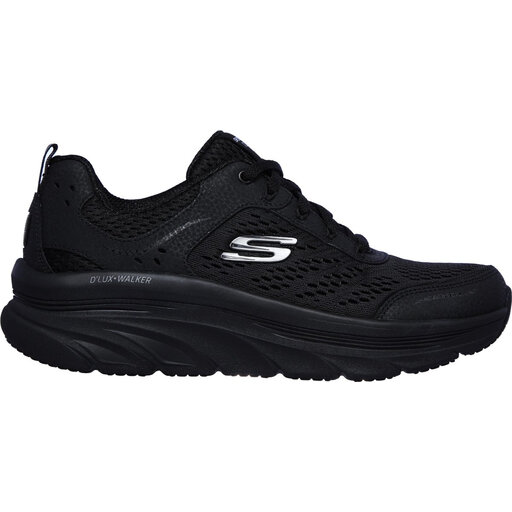
Why it suits this type of wearer: A good option if you’re looking for everyday comfort, a low-profile trainer and a lace fastening. The product information states that it has a regular fit and includes a detailed size guide with foot lengths.
The size information notes that this model may come up large. That’s useful to know in addition to the standard EU size.
Leather and synthetic upper, rubber sole and the stated Relaxed Fit design.
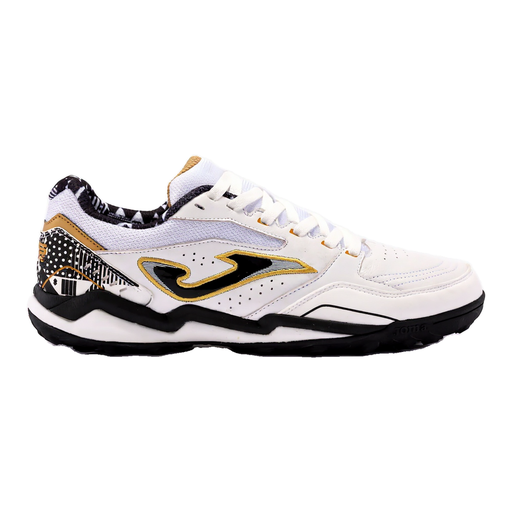
Why it suits this type of wearer: This model is specifically designed for football on artificial grass. Its TF sole, reinforced toe and lace fastening make it suitable for regular training and matches on a synthetic pitch.
The product description specifically mentions a multi-stud sole optimised for turf. This helps avoid confusion with FG or indoor boots.
Leather upper with textile inserts, ventilation perforations, rubber multi-stud sole and reinforced toe.
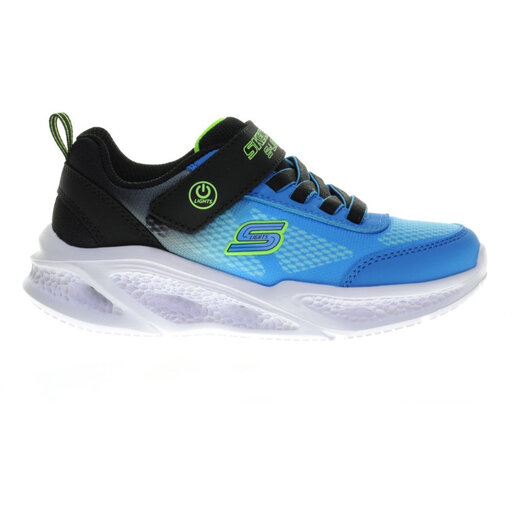
Why it suits this type of wearer: These children’s shoes have a high-top trainer design, hook-and-loop fastening and a regular fit. That makes them practical for school, play and putting on independently.
The fastening and fit are clearly stated. Clean the shoes with a damp cloth and don’t put them in the washing machine.
Hook-and-loop fastening, rubber sole, synthetic upper and a G width rating.
We’ve put together a complete, up-to-date list of products that meet these strict selection criteria and the applicable European safety regulations.
How long shoes last depends on how you use them, the surface and how well you care for them. Remove mud and grass after sport, let shoes air-dry and avoid direct heat sources. Only wash sports shoes if the care label allows it. Many models are recommended for hand-cleaning with a damp cloth.
Use football boots for their intended purpose. Indoor soles wear out more quickly outdoors, and studs for natural grass aren’t designed for every artificial grass pitch. Store shoes in a dry place and give them plenty of time to air between sports sessions.
Measure your foot at the end of the day, preferably wearing the socks you normally use. Compare the measurement with the size guide for the specific model. Also check the fit and width. A size 42 can fit differently depending on the brand or model.
It depends on the type of artificial grass. TF or turf football boots are designed for artificial grass with short fibres, while AG football boots are specifically designed for artificial grass pitches. Always check the sole information in the product details before ordering.
There’s no set timeframe. Replace your shoes when the sole is visibly smooth or uneven, the heel no longer offers support, the upper tears or the fit changes. With intensive use, they may wear out more quickly than with everyday casual wear.
