
Vandaag of morgen in huis

Kwaliteit gegarandeerd

Welkomstaanbiedingen ontgrendelen: GRATIS bezorging | Tot 80% korting | Gratis 30 dagen JoyPlus-proefperiode
Download de app
Buying a new shampoo might seem simple, until you have to choose between an anti-dandruff shampoo, a shampoo for dry hair, a volumising shampoo or a large shampoo multipack. Marketing claims often promise shine, repair or long-lasting volume, but not every formula will suit your hair, washing routine or budget.
That's why it's best to focus on verifiable information: the hair type the shampoo is intended for, the volume per bottle, the ingredients and the directions for use. This will help you avoid ending up with a large bottle gathering dust in your bathroom.
A 6-pack of shampoo might seem like a good deal, but the difference between six 250 ml bottles and six 440 ml bottles is significant. Always compare the price per 100 ml and check if the shampoo is suitable for everyone in your household. A formula for dry or colour-treated hair isn't automatically suitable for fine hair that's easily weighed down.
Terms like "repair", "extra shine" or "up to 48 hours of volume" are usually based on specific usage conditions. For example, according to Syoss's own information, their volume promise applies when using that specific formula, and the shampoo is intended for fine or limp hair. This doesn't mean every hair type will get the same result.
Similarly, claims like "up to 100% flake-free" from Head & Shoulders are, according to the product information, linked to regular use and visible dandruff. Always check the small print and footnotes for such claims.
A shampoo's main job is to cleanse the scalp and hair. For dry, damaged, curly or colour-treated hair, additional care may be necessary. A 2-in-1 shampoo and conditioner is practical for daily use, but a separate conditioner, hair mask or serum allows for a more personalised routine.
First, choose your main goal:
Check the ingredients list on the product you receive. Formulas can change, and the information online may differ from the physical label. Pay attention to things like:
A claim like "sulphate-free", "vegan" or "dermatologically tested" should be stated on the product page or packaging. Don't take such properties as proof that a product is suitable for everyone.
A 685 ml bottle is convenient for a household, while a smaller bottle is better if you want to try a formula first. Also, check whether a set actually contains shampoo or is mostly made up of styling products. A professional haircare set might include shampoo, conditioner, serum, oil and a mask, but it usually requires more steps than a simple daily routine.
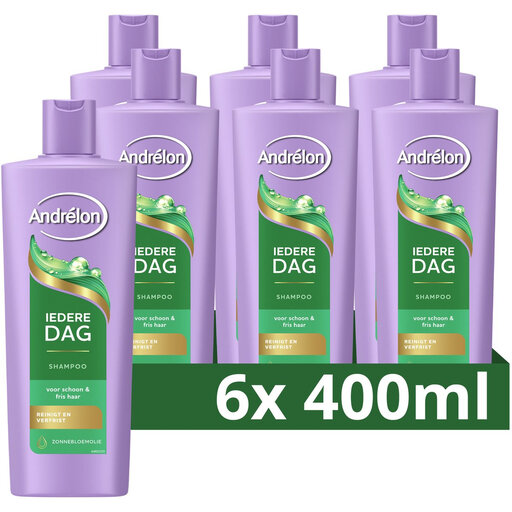
Why it fits this profile: A large supply for families looking for a simple shampoo for normal hair.
The volume is clearly stated: six 400 ml bottles. This makes it easy to compare the price per 100 ml.
Daily formula for normal hair; six separate 400 ml bottles.
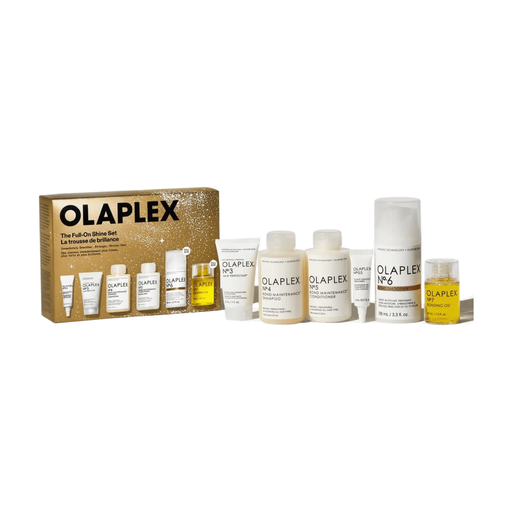
Why it fits this profile: For those who want a complete routine with shampoo, conditioner, treatment and styling products.
The set specifies the size of each product and the order of use. This means you're not just buying a standalone shampoo without the complementary care products.
Contains No. 4 shampoo and No. 5 conditioner; additional products for treatment, smoothing and styling.
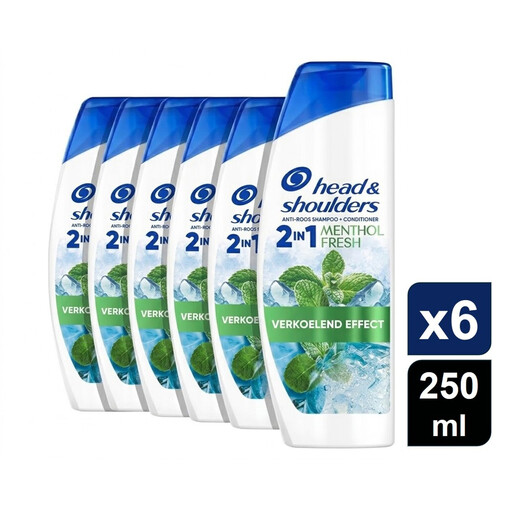
Why it fits this profile: For those who want to combine anti-dandruff care and conditioning in a single step.
The product information mentions the active ingredient piroctone olamine, a 2-in-1 formula and daily use. Check the label on the product you receive for application instructions and warnings.
Six 250 ml bottles; combined shampoo and conditioner; menthol version.
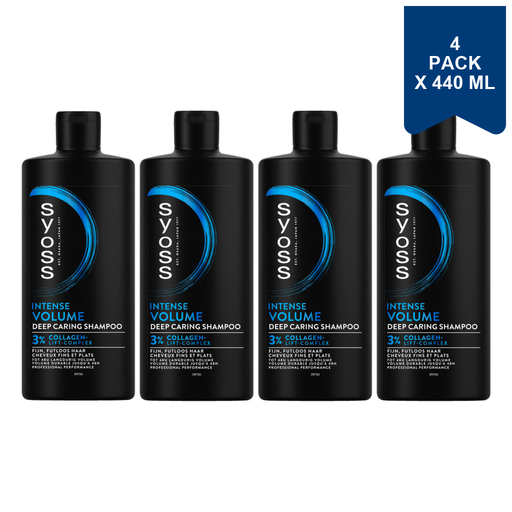
Why it fits this profile: Aimed at shoppers looking for a volumising shampoo in a larger pack for regular use.
The product description names fine and limp hair as the target audience and states that the formula is silicone-free. This makes the choice more verifiable than relying on a simple promise of volume.
Four 440 ml bottles; intended for fine or flat hair; silicone-free formula according to the product information.
Before you order, make a short checklist:
For persistent scalp problems or irritation, shampoo is not a substitute for personal advice from a doctor or pharmacist.
We have compiled a complete, up-to-date list of products that fully meet these strict selection criteria and comply with current European safety regulations.
That depends on your scalp, hair texture and daily activities. According to the product information, a mild shampoo for normal hair can be suitable for daily use. Dry, curly or colour-treated hair is often washed less frequently to limit dryness or colour fade. Always pay attention to how your hair and scalp react.
For short, normal or low-maintenance hair, a 2-in-1 formula can be practical. For long, dry, curly or damaged hair, a separate conditioner or treatment can offer more nourishment. Therefore, consider not just the time you'll save, but also the goal of your routine.
Calculate this based on the number of bottles, the volume per bottle and how much you use per wash. For example, a 6-pack of 250 ml shampoo contains 1,500 ml in total. Divide that by your estimated usage per wash and the number of washes per week. This will show you whether a multipack is truly right for your household and help you avoid a formula sitting unused for too long.
