
Vandaag of morgen in huis

Kwaliteit gegarandeerd

Welkomstaanbiedingen ontgrendelen: GRATIS bezorging | Tot 80% korting | Gratis 30 dagen JoyPlus-proefperiode
Download de app
A good moisturiser is the cornerstone of any skincare routine. Whether you want to soothe dry, tight skin or simply keep it supple, the right cream can make a world of difference. But the shelves are packed with jars and tubes promising miracles. How do you find a product that actually works, without falling for the typical marketing traps?
As a Joybuy Product Recommendation Officer, I'm here to help you cut through the noise. We'll look at what really counts, so you can make an informed choice for your skin.
Before we look at solutions, it's helpful to recognise the most common missteps. Many people waste money by falling for clever marketing.
You don't need to be a chemist to make a good choice. By focusing on a few key elements, you can better assess the effectiveness of a hydrating cream.
An effective moisturising cream typically contains a mix of three types of ingredients that work together to hydrate the skin and lock in moisture:
A good cream for dry skin often has a richer mix of emollients and occlusives, while a day cream for oilier skin relies more on lightweight humectants.
A product's texture is just as important as its formula. It determines how the cream feels and how well it's absorbed by your skin.
body lotion.face cream) and body.Beyond basic care, you can look for ingredients that address a specific concern. For example, a restorative cream might contain panthenol (provitamin B5) to soothe the skin, or ceramides to strengthen the skin barrier cream. A night cream is often richer and contains ingredients that support the skin's overnight repair process.
Below are some popular choices, matched with specific user profiles. These aren't the "best" products, but practical options that align well with certain needs.
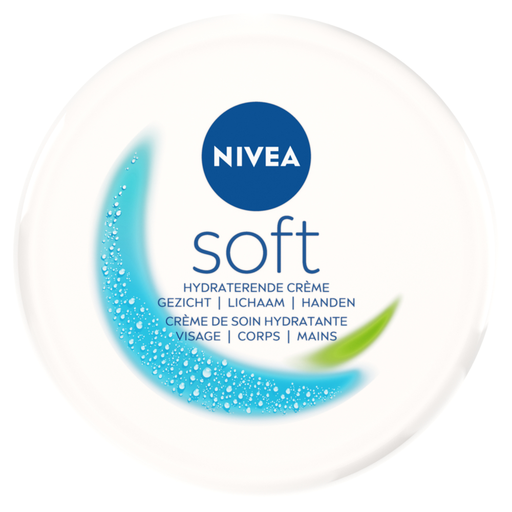
Why This Fits Their Persona: This user is looking for a no-nonsense, reliable cream for daily use on both face and body. No fuss, just a product that moisturises without leaving a sticky feeling.
This cream doesn't focus on a single exotic "miracle ingredient" but on a proven, effective combination of glycerine, jojoba oil, and vitamin E. It's an honest product that does what it promises: moisturise.
The lightweight formula absorbs quickly and is suitable for the face, body, and hands. A multifunctional product at an accessible price.
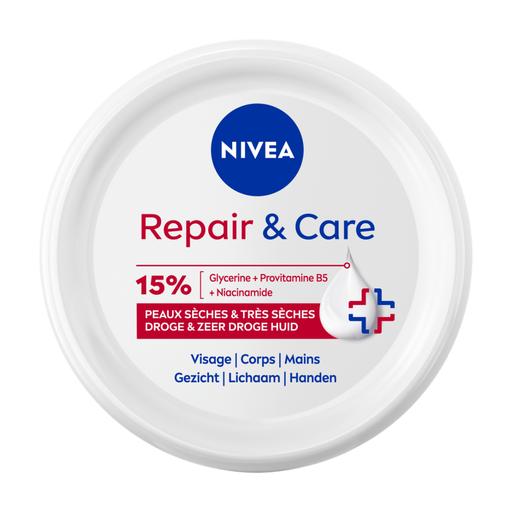
Why This Fits Their Persona: This person has very dry, rough, or tight skin and needs more than a standard body lotion. The focus is on restoring the skin barrier and providing long-lasting relief.
This product avoids the "one-size-fits-all" trap by specifically targeting very dry skin. The formula is built around a high concentration (12%) of the proven humectant glycerine, which substantiates its effectiveness.
According to the manufacturer, it provides immediate relief and up to 72 hours of hydration. The formula is designed to support the natural skin barrier and prevent moisture loss.
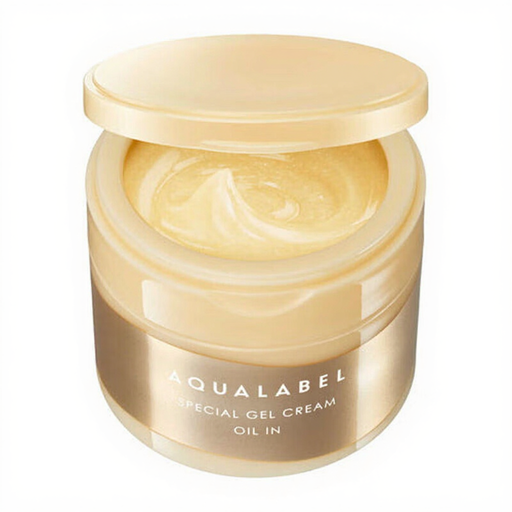
Why This Fits Their Persona: This user is interested in innovative (Asian) skincare and loves lightweight yet nourishing textures. An all-in-one product that simplifies the routine is a major plus.
While it may sound advanced, its value lies in its practical, multifunctional approach. It replaces multiple steps in a routine, making it an efficient choice rather than a product with vague, exaggerated claims.
A 5-in-1 formula (lotion, milk, cream, mask, and serum). The gel texture with oil capsules bursts on the skin for extra nourishment without a heavy feeling.
A good cream is a personal choice. If the suggestions above aren't exactly what you're looking for, there's plenty more to discover. Browse our full range to find the perfect match for your skin.
The main difference is often in the texture and function. A day cream is typically lighter in texture, absorbs quickly, and sometimes includes an SPF to protect the skin from the sun during the day. A night cream is usually richer and more nourishing. It's focused on supporting the skin's natural repair process while you sleep and often contains higher concentrations of active, restorative ingredients.
Generally, this is not recommended. The skin on your face is thinner and more sensitive than the skin on your body. A body lotion can be too rich or heavily fragranced for the face and may clog pores or cause irritation. A face cream is specifically formulated for the delicate facial skin. However, there are exceptions: some multifunctional creams, like NIVEA Soft, explicitly state they are suitable for both face and body. Always read the label.
Look for products labelled "non-comedogenic." This means the formula is designed not to clog pores. However, this is not an absolute guarantee. If you have oily or acne-prone skin, lighter textures like gels or oil-free lotions are often a safer choice than heavy, rich creams. It's always a good idea to patch-test a new product on a small area of skin (for example, behind your ear or on your jawline) before applying it to your entire face.
