
Vandaag of morgen in huis

Kwaliteit gegarandeerd

Welkomstaanbiedingen ontgrendelen: GRATIS bezorging | Tot 80% korting | Gratis 30 dagen JoyPlus-proefperiode
Download de app
A conditioner can make your hair easier to comb, while leaving it feeling softer and smoother. However, choosing the right one is not always straightforward. A rich hair conditioner can leave fine hair limp, while a lightweight formula may not provide enough care for porous or damaged hair.
When buying, therefore, do not focus only on words such as “shine”, “repair” or “hydrating”. Pay particular attention to your hair type, the directions for use, the size and the ingredients list. This helps you avoid paying for a product that does not suit your everyday haircare routine.
Terms such as “2x more shine”, “repairing” or “professional conditioner” sound appealing, but they do not automatically tell you what you will experience at home. According to L’Oréal’s own research, for example, the Glycolic Gloss Conditioner provides 2x more shine when used as part of the described product routine. This is a brand claim, not a universal guarantee.
Treat such claims as additional information. Also check whether the product is intended for dry, fine, curly, coloured or damaged hair.
Fine hair often needs detangling and moisture, but not an excessively rich layer of conditioning ingredients. A conditioner for dry hair may therefore feel too heavy when your hair lacks volume. With fine hair, apply conditioner mainly from the mid-lengths to the ends and rinse thoroughly.
A conditioner does not work better simply because you use more of it. With concentrated formulas, a small amount is often enough. Also check the size: a 100 ml pack is handy for travelling, but less practical if you wash your hair every day. A multipack may seem good value, but it only suits your usage if you will use the products within their shelf life.
Always read the current ingredients list on the packaging. Brands may change their formulas. Also look out for warnings about contact with the eyes, allergens and the recommended period of use after opening.
Start by choosing based on your main concern:
An anti-frizz conditioner can help create a smoother feel, but humidity, styling and your natural hair structure also continue to have an effect.
A creamy, rich conditioner is generally suitable for dry lengths and ends. A fluid or ultra-light treatment may be more practical for fine hair or a quick routine. Also check the processing time. Some products are rinsed out after one to two minutes, while a treatment may need to be left on for longer.
A standard conditioner should generally be applied to the lengths and ends. Products that may also be used on the scalp according to the packaging instructions are a separate category. Always follow the brand’s directions.
Compare the price per 100 ml, not just the price of the bottle. A 440 ml pack may offer good value for everyday use, while 100 or 120 ml is suitable for trying a product first.
If you want to avoid perfume, silicones or certain preservatives, check the full ingredients list. Claims such as “paraben-free”, “vegan” or “sulphate-free” only apply when they are clearly stated for the specific product. On their own, they also do not indicate how well a conditioner will suit your hair.
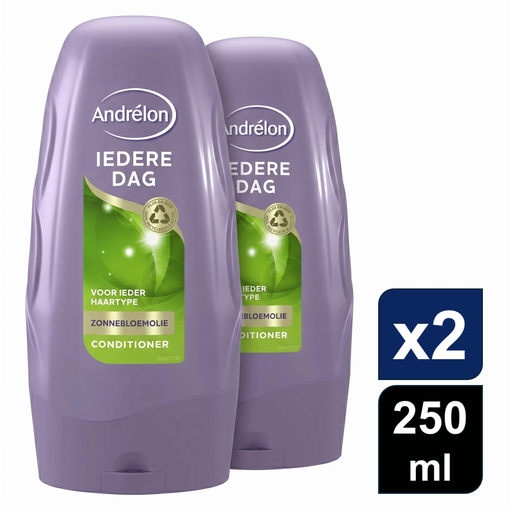
Why it suits this profile: A practical choice for anyone looking for an everyday conditioner for all hair types and who likes to buy in bulk.
The size and 2-pack make it easier to assess the price per use. The directions recommend leaving it on briefly before rinsing.
250 ml per bottle, suitable for everyday use and enriched with sunflower oil according to the product information.
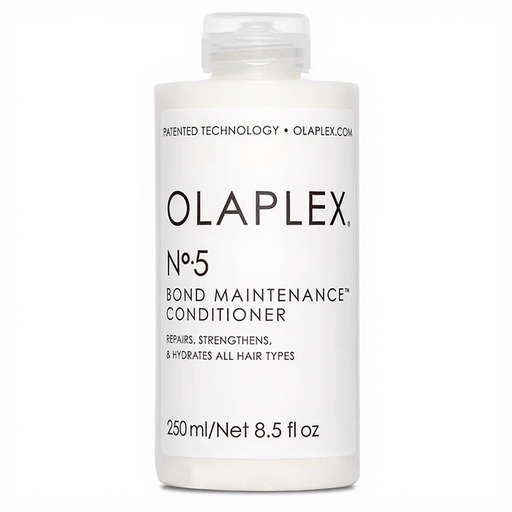
Why it suits this profile: Designed for adults looking for a richer conditioner for dry, coloured or chemically treated hair.
The product information clearly states its purpose: hydrating, detangling and conditioning damaged or treated hair. Check the ingredients on the packaging.
250 ml, a cream formula and suitable for all hair types according to the product details; intended to hydrate and repair.
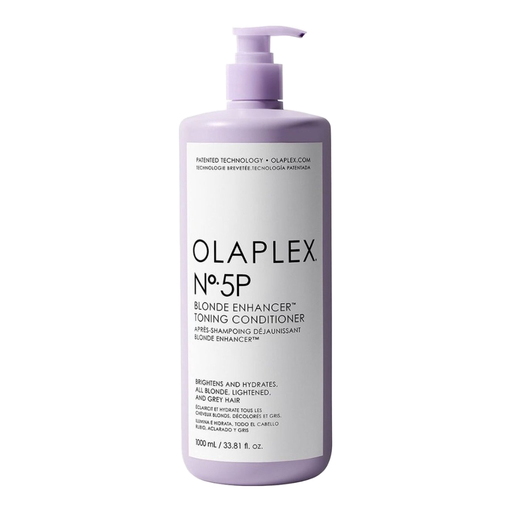
Why it suits this profile: For people with blonde or grey hair who want to help neutralise unwanted yellow tones as well as condition their hair.
This is not a neutral everyday conditioner: the product information mentions micro-fine pigments and use as required. This makes it clearer when to use the product.
1000 ml, intended for blonde hair and, according to the product information, free from parabens, sulphates and phosphates.
We have put together a complete, up-to-date list of products that fully meet these strict selection criteria and the applicable European safety regulations.
Rinse the shampoo out thoroughly first, then gently squeeze excess water from your hair. Distribute the conditioner through the lengths and ends. If you have fine hair, use a small amount and avoid the roots. Leave the product on for the time stated on the packaging and rinse thoroughly.
A conditioner is generally intended for cosmetic care: leaving hair feeling softer, easier to comb and looking smoother. If you experience persistent irritation, itching or other symptoms, stop using the product and ask a doctor or pharmacist for advice.
This depends on your hair and the product instructions. A lightweight conditioner may be suitable for everyday use. You may need to use an intensive treatment less often. Pay attention to how your hair feels: limp or quickly greasy hair may benefit from using less product, while dry or curly hair often needs more conditioning.
Yes, but choose a lightweight formula and apply it mainly to the lengths and ends. A conditioner for fine hair should detangle without weighing it down. According to the brand’s description, the Olaplex No.5 Fine Bond Maintenance Volumizing and Strengthening Conditioner was developed for fine hair; check the current product information and ingredients list when buying.
A standard conditioner is generally intended for regular use and a short processing time. A hair treatment or deep conditioner often has a richer formula, a longer processing time or a specific purpose for dry, coloured or damaged hair. Check the recommended frequency and the instructions on the packaging before using a treatment as your everyday hair conditioner.
