
Vandaag of morgen in huis

Kwaliteit gegarandeerd

Welkomstaanbiedingen ontgrendelen: GRATIS bezorging | Tot 80% korting | Gratis 30 dagen JoyPlus-proefperiode
Download de app
A backpack seems easy to choose, until you start using it every day. That’s when you notice whether the shoulder straps dig in, the compartments are awkward or your belongings stay dry during a British downpour. A low price also says little about carrying comfort, and a high capacity doesn’t automatically mean the bag is easy to pack.
When buying a backpack, look out for these three common pitfalls:
For a backpack for school and everyday use, around 18 to 25 litres is often practical. The PUMA Academy, for example, has a capacity of around 24 litres and measures 45 × 30 × 18 cm. That gives you room for documents, clothes and everyday accessories without being the size of a trekking backpack.
A compact 10- to 15-litre walking backpack is suitable for a short walk, cycle ride or visit to town. For a weekend with camping gear, a 40-litre or 45-litre backpack is a better choice. Bear in mind that a larger bag can be easier to overpack and make too heavy.
Check whether the bag has adjustable shoulder straps, a chest strap and, if needed, a hip belt. An adjustable back length matters more on a trekking backpack than on a simple daypack. According to the product specifications, the 40-litre PELLIOT trekking backpack is available for torso lengths of 38–46 cm or 45–53 cm. Its hip belt is designed to fit different waist measurements.
A frame, padded hip belt and ventilation can help distribute the load more evenly. That doesn’t guarantee a comfortable fit for everyone: fit and how you pack the bag still matter. Place heavy items close to your back and adjust the hip belt before tightening the shoulder straps.
A water-repellent backpack is useful in light rain, but check exactly what the manufacturer claims. According to the product description, the Beneunder LC183 is made from nylon with a protective coating that is said to resist wind, rain and stains. This is a product claim from the brand, so treat it as a practical feature of this model rather than a guarantee that your belongings will stay dry in prolonged rain.
Also consider how you’ll use the bag. A separate rain cover, a waterproof case for electronics and carefully fastened zips offer extra protection. A foldable backpack is handy as a spare when travelling, but often offers less support than a sturdy outdoor backpack.
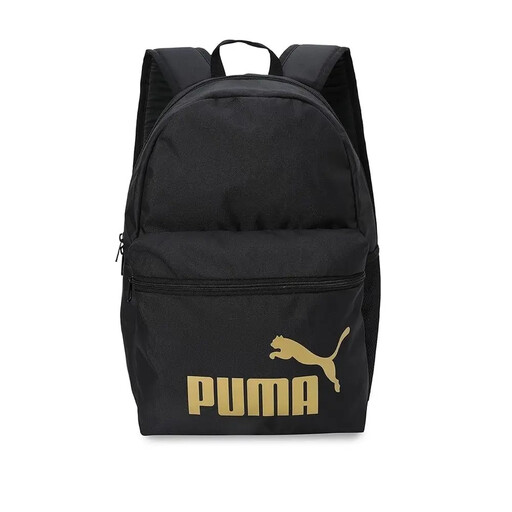
Why it suits this user: Its 22-litre capacity and simple compartment layout work well for school, work, sport and everyday use.
The capacity is clearly stated, and the bag has a main compartment, front pocket and side pocket. So there’s no need to buy a large trekking backpack for light everyday essentials.
22 litres, a padded back panel, adjustable shoulder straps and, according to the product description, at least 90% recycled materials.
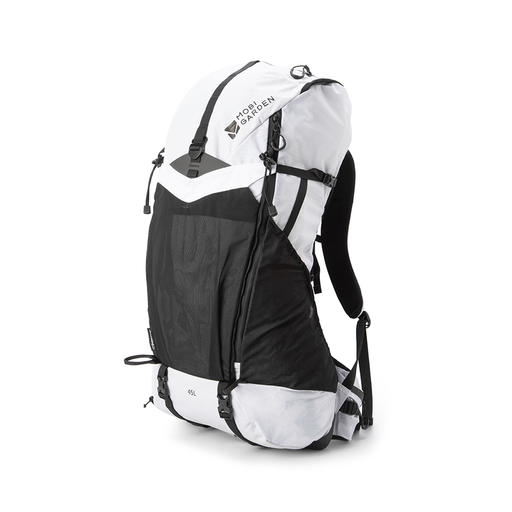
Why it suits this user: This 45-litre trekking backpack is designed for lightweight backpacking and multi-day walks.
The stated capacity, weight of around 1.35 kg and separate compartments make it easy to assess the balance between capacity and the bag’s own weight.
Dyneema composite fabric according to the product specifications, a ventilated 3D back panel, hip belt and separate compartment for a hydration system.
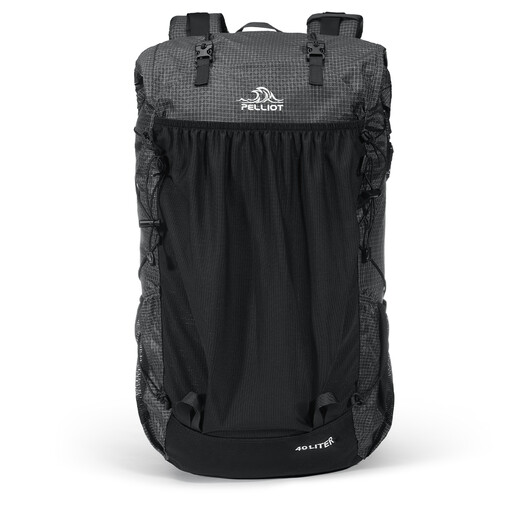
Why it suits this user: For campers and trekkers who need an organised backpack for walks and hikes lasting two to three days.
The bag has an internal frame, hip belt, several compartments and attachment points. This stops your gear from shifting around in one large compartment.
40-litre capacity, around 1.06 kg, an adjustable carrying system, ventilated back panel and loops for walking poles.

Why it suits this user: A lightweight travel backpack for commuters, cyclists and walkers who sometimes need extra space.
The capacity is listed as 10 litres, expandable to 13 litres. That makes it clear when the bag stays compact and when you have extra space available.
Weighs around 235 grams according to the product specifications, with an expandable design and fabric said in the product description to resist wind, rain and stains.
We’ve put together a complete, up-to-date list of products that meet these strict selection criteria and current European safety requirements.
A 10- to 20-litre walking backpack is often enough for a short walk. For a day trip with extra clothes, food and a raincoat, 20 to 30 litres may be more practical. A 40- or 45-litre backpack is mainly intended for multi-day walks, trekking or camping.
First, adjust the back length if possible. Then place heavy items close to your back, fasten the hip belt firmly but comfortably, and adjust the shoulder straps evenly. Use a chest strap to keep the shoulder straps in place. As you walk, check that the bag isn’t pulling to one side.
A backpack’s lifespan depends on its material, load, care and conditions of use. Check the zips, seams and shoulder straps regularly. A bag that’s consistently overloaded will wear out more quickly. Clean it according to the instructions; several models above are designed to be cleaned with a damp cloth or by hand and must not be machine-washed.
