
Vandaag of morgen in huis

Kwaliteit gegarandeerd

Welkomstaanbiedingen ontgrendelen: GRATIS bezorging | Tot 80% korting | Gratis 30 dagen JoyPlus-proefperiode
Download de app
Rice crackers come in all sorts of varieties: from Japanese senbei with soy sauce to Chinese rice snacks with Sichuan pepper, seaweed or a sweet coating. Crispy rice cakes with cheese, barbecue flavour and chocolate often fall under the same search too. That makes comparing them tricky. A small pack can be relatively expensive, while a large bag isn’t always convenient if you’re buying the snack just for on the go.
So don’t just rely on the picture or words like “authentic” and “light”. Look at the ingredients, nutritional information, allergens and packaging. That way, you’ll choose Asian rice crackers that suit your taste and when you plan to eat them.
“Wasabi”, “barbecue” or “seaweed” usually describes the seasoning blend, not the amount of the main ingredient. For example, rice crackers with wasabi may also contain chilli, soy sauce and flavouring. If you’re expecting a sharp kick, it’s worth checking the ingredients list. The order tells you which ingredients are present in the largest amounts.
Some rice cakes show the energy per cracker, while other products display the nutritional values per 100 grams. That means the figures aren’t directly comparable. Always check:
A product that’s low in sugar can still be high in fat or salt. A claim like “cholesterol-free” doesn’t tell you much about the overall nutritional value on its own. Use the full nutrition table as your starting point.
Rice crackers easily absorb moisture. A large bag is great for sharing at the office or when you have visitors, but less practical if you keep opening the pack. Individually wrapped senbei or rice crackers are more convenient for lunchboxes and eating on the go. Store opened packs tightly sealed in a cool, dry place and check the date on the packaging.
Check whether the snack is mainly made from rice or also contains a lot of maize, starch, oil or grains. For example, Snack A Jacks Cheese is made from brown rice and maize and has a cheese-style seasoning mix. Want Want Senbei Rice Crackers list rice, palm oil, sugar, maize starch and soy sauce powder among their ingredients.
Pay particular attention to soya, wheat, gluten, milk, sesame, fish, shellfish and egg. “May contain traces” is also relevant if you have allergies. European allergen regulations require clear labelling of major allergens, but always check the current label. Recipes can change.
For a mild snack, sweet rice crackers or honey varieties are a better fit. According to the product information, Richy Jinju Honey Flavour contains rice, honey, sugar and soy sauce. For a savoury choice, Japanese rice crackers with seaweed or senbei with a subtle sweet-salty taste work well.
If you enjoy a definite kick, look at spicy rice crackers with chilli or Sichuan pepper. According to their product descriptions, Wo Long and Lai Yifen use chilli and Sichuan peppercorns. That combination can taste not only hot, but also tingling or numbing. It’s quite different from ordinary pepper.
Compare the price per 100 grams rather than just the total price. A pack of 85 to 112 grams is good for trying a flavour for the first time. Sizes from 150 to 300 grams are better for sharing or regular snacking.
Individually wrapped products are practical for tea time or when you have guests. For the office or on the go, compact bags of around 98 to 160 grams can be more convenient. If you’re looking for an alternative to crisps, also check out crispy rice cakes with cheese or barbecue flavour. These are often flatter and individually portioned.
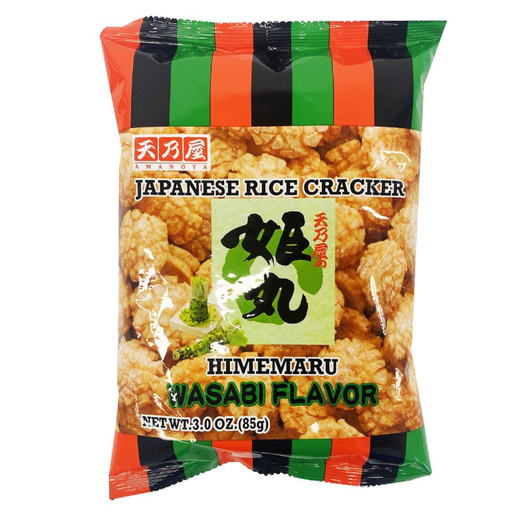
Why it fits this profile: The 85-gram pack is a manageable size if you want to try Japanese rice crackers with wasabi for the first time, or if you’re looking for a small snack to enjoy with tea.
The weight and ingredients are clearly stated. This means you can check the flavour strength and allergens without having to buy a large size straight away.
85 grams, a product from Japan according to the product information, with wasabi powder, chilli and soy sauce listed in the ingredients.
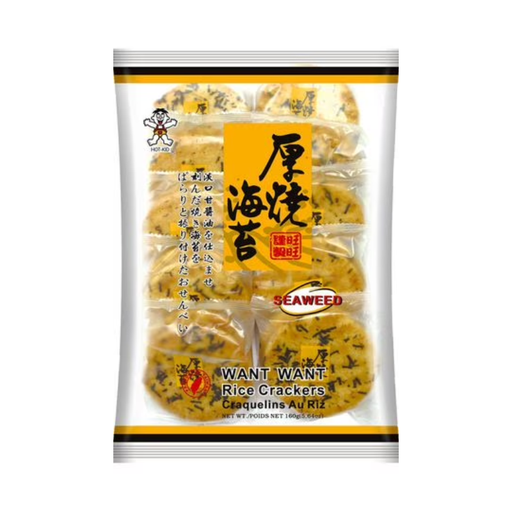
Why it fits this profile: This pack is ideal for fans of a savoury seaweed flavour who want to share at home or with guests.
The product information states the seaweed content, weight and allergens. Pay particular attention to the mention of soya, wheat and fish.
160 grams and individually wrapped according to the product description, with rice, seaweed and soy sauce listed as ingredients.
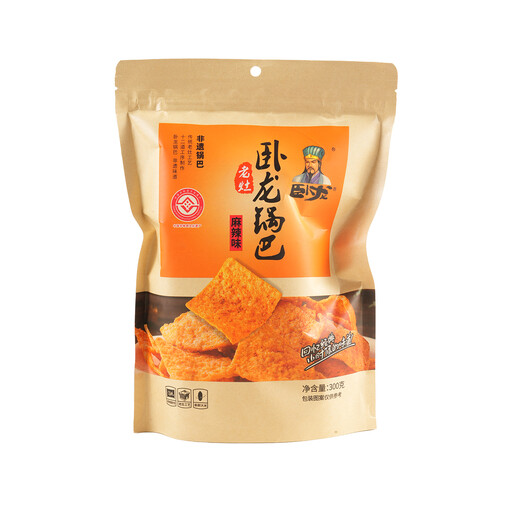
Why it fits this profile: The 300-gram size is practical for regular snacking, a film night or a table with several people eating.
The product description states a millet content of at least 65% and mentions possible traces of gluten, soya and sesame. That makes comparing easier.
300 grams, ready to eat and seasoned with a spicy mix; the nutritional information states 472 kcal and 1.1 grams of salt per 100 grams.
We’ve put together a full, up-to-date list of products that fully meet these strict selection criteria and comply with current European safety regulations.
Not always. Rice cakes are usually puffed and relatively large and round. Senbei and other Asian rice crackers are often thinner, harder baked or more strongly seasoned. Products made with maize and brown rice can look similar to rice cakes in shape, but fall into a different category in terms of recipe.
Store them unopened according to the label, in a cool, dry place. Seal an opened bag tightly straight away and keep moisture out of the packaging. Individual portions are handy if you’re eating the snack over several days. Don’t use the product if the packaging is damaged.
Choose a mild sweet-salty senbei, a honey variety or a plain rice snack. Spicy rice crackers with chilli, wasabi or Sichuan pepper have a more pronounced flavour profile. If in doubt, check the ingredients and start with a smaller pack.
