
Vandaag of morgen in huis

Kwaliteit gegarandeerd

Welkomstaanbiedingen ontgrendelen: GRATIS bezorging | Tot 80% korting | Gratis 30 dagen JoyPlus-proefperiode
Download de app
A protein bar is handy after exercise, between meals, or on the way to work and training. Yet many protein bars look similar while their nutritional values can vary significantly. A bar labelled “high protein” on the packaging may, for example, contain relatively high amounts of sugar, polyols or calories.
So don’t just focus on flavour and offers. The following points will help you fairly compare protein bars, proteïne bars and other protein snacks.
A high protein content doesn’t automatically make it the best choice for your situation. Also check the serving size. A 74 g bar with 25 g of protein offers a different ratio than a 50 g bar with 25 g of protein.
Also check the nutritional information per bar and per 100 g. This stops you from thinking a large bar is good value when it actually contains lots of calories or carbohydrates.
“No added sugars” doesn’t mean a product contains no sugars. Ingredients such as dates, raisins or milk components can naturally provide sugars. Other protein bars use sweeteners like maltitol, sucralose or other polyols. A high intake of these can have a laxative effect on some people.
If you’re looking for a protein bar with low sugar, it’s wise to check the “of which sugars” line per serving, rather than just the front of the packaging.
Protein bars often contain milk, soya, peanuts, nuts, gluten or collagen. Always check the ingredients list and allergen information, especially if you have a food allergy or intolerance. Recipes and packaging can change, so the current packaging is always the most reliable.
The protein source also varies. Some protein bars for athletes contain whey or milk protein, while others mainly use grains, peanuts, soya or collagen. This means the products aren’t interchangeable.
For a practical comparison, start by looking at the grams of protein in each individual bar. In the range available, amounts vary from around 16 to 25 g per bar. A small snack with 16 g can be enough between meals; a larger bar with 20 to 25 g is more suitable for someone wanting a substantial snack after training.
A protein bar doesn’t replace a varied diet. Think of it as a handy supplement when a regular meal or snack isn’t convenient.
If you mainly want to replace a sweet snack, you can choose a low-sugar option. According to the product information, the Grenade Carb Killa Chocolate Chip Salted Caramel contains 20 g of protein and 1.4 g of sugar per 60 g bar. The XXL Nutrition High Protein Bar Chocolate states 25 g of protein and 0.7 g of sugar per 50 g bar.
Do note the difference between sugar and total carbohydrates. A product can be low in sugar but still provide lots of polyols or other carbohydrates. If you’re sensitive to sweeteners, it’s sensible to read the full ingredients list.
A short ingredients list doesn’t automatically mean a bar suits everyone. The TastyBasics Choco & Nut Bars contain, among other things, oats, pumpkin seeds, sunflower seeds, almonds, sesame and hazelnuts. Per 100 g, 16 g of protein is stated; a 23 g serving therefore provides around 3.7 g of protein.
Other bars are larger and more focused on a pronounced chocolate or caramel texture. Think soft fillings, crunchy soya crisps or a chocolate coating. Also consider the packaging: a protein bar multipack is practical for home or a sports bag, but only buy larger quantities if you already know you like the flavour and composition.
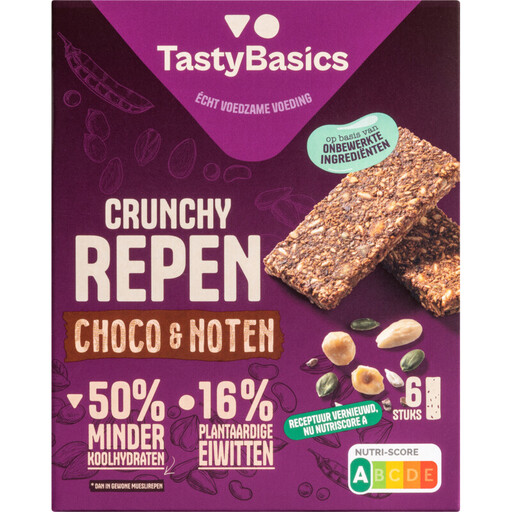
Why this fits the profile: A compact multipack with 23 g portions, ideal for anyone wanting to try a snack with grains, seeds and nuts without committing to a large stock.
The product information clearly states the serving size, nutritional values and allergens. This means you won’t confuse the small portion with a large sports bar.
6 portions per pack; 16 g protein and 18 g fibre per 100 g; contains only 6.7 g sugar per 100 g.
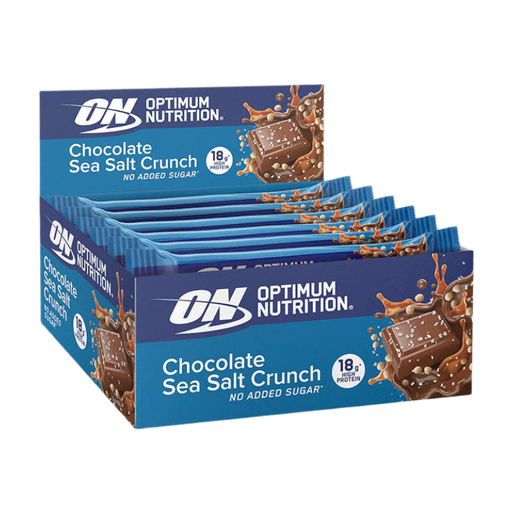
Why this fits the profile: This multipack is aimed at active adults who want a regular supply of a chocolate variant with a crunchy texture.
The product states 20 g protein per bar and a 55 g size. Do check the current packaging before purchase, as nutritional values can vary by flavour.
12 bars of 55 g; crunchy texture; according to the product description contains 20 g protein per bar.
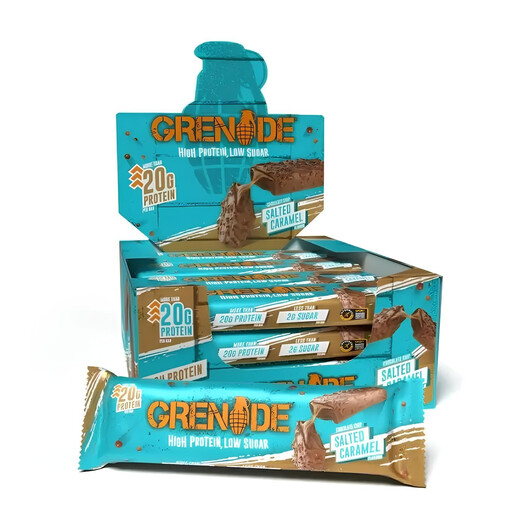
Why this fits the profile: A generous supply for anyone who trains regularly and uses a substantial protein bar on the go, at the office or in their sports bag.
The product information lists both protein and sugar as well as polyols per bar. This makes it clear that “low sugar” isn’t the same as low total carbohydrates.
20 g protein and 1.4 g sugar per bar; 12 individually wrapped bars; contains milk and soya, with possible traces of gluten, nuts and peanuts.
We’ve put together a full, up-to-date list of products that fully meet these strict selection criteria and comply with current European safety regulations.
That depends on your overall diet and when you’ll have your next full meal. A protein bar can be practical after exercise when you’re still on the go or won’t be eating for a while. According to their own product information, some brands recommend their bar around training, but this is a usage suggestion from the brand, not a medical guideline.
Check the best-before date on the packaging. Unopened bars generally remain good until that date if stored according to the storage advice. After opening, check the smell, texture and packaging. Don’t use a damaged product.
A protein bar can be a handy protein-rich snack, but the nutritional value varies by product. So compare protein, sugar, fat, fibre, calories and ingredients. A low-sugar bar may, for example, contain lots of polyols, while a nut bar can provide more fat and fibre. Choose what fits within your daily diet.
