
Vandaag of morgen in huis

Kwaliteit gegarandeerd

Welkomstaanbiedingen ontgrendelen: GRATIS bezorging | Tot 80% korting | Gratis 30 dagen JoyPlus-proefperiode
Download de app
At first glance, a protein bar seems simple enough: check the protein content, pick a flavour and add it to your basket. In reality, protein bars vary widely in size, sugar, sweeteners, calories and ingredients. A bar with a big protein number on the front might, for example, also contain relatively high levels of carbohydrates or polyols.
As a Joybuy Product Recommendation Officer, I filter the most important information from product listings so you can make a more informed choice. Below, you'll discover what to look for in a high-protein snack, the common pitfalls to watch out for, and which type of bar suits your needs.
A wrapper might boast "high protein" or "50% protein", but always check the nutritional information per bar. A large 74 g bar will naturally contain more protein than a smaller 50 g bar. So compare both the grams of protein per serving and the serving size.
The total calorie count matters too. A protein bar can fit perfectly into your diet, but it isn't automatically a light snack.
Many low-sugar bars use sweeteners such as maltitol, sucralose or acesulfame-K. This can reduce the sugar content, but it doesn't change the fact that it's a processed food. Some products also contain high levels of polyols. Consumed in excess, polyols can have a laxative effect.
So always check:
"Chocolate", "caramel" or "birthday cake" mainly describes the flavour profile. It doesn't automatically tell you how much cocoa, nuts or chocolate is actually in the bar. Check the ingredients list if you're looking for a chocolate protein bar or need to avoid allergens such as milk, soya, peanuts, gluten or nuts.
For most active consumers, 15 to 25 grams of protein per bar is a practical benchmark. For example, an XXL Nutrition High Protein Bar Chocolate (50 g) lists 25 g of protein per bar. The Grenade Carb Killa variant contains 20 g of protein per 60 g bar. Barebells Caramel & Cashew provides 20 g of protein per 55 g bar, according to the product information.
These figures make a bar a handy supplement between meals or as a post-workout protein bar. They don't replace a varied diet. According to general permitted nutrition information, protein contributes to the growth and maintenance of muscle mass; the product itself is not a medical treatment.
If you're looking for a low-sugar protein bar, you need to look beyond the front of the wrapper. The XXL Nutrition bar lists 0.7 g of sugar and 179 kcal per bar. The Grenade Chocolate Chip Salted Caramel variant contains 1.4 g of sugar, 20 g of protein and 226 kcal per bar, according to the product listing.
In contrast, the Nutramino XL Chocolate Peanut offers 25 g of protein per bar, but also 19 g of sugar and 284 kcal. That could be suitable around intense exercise, but makes less sense if you're primarily trying to limit your sugar or calorie intake.
Most of the selected bars contain milk and soya. Some also contain bovine collagen, peanuts, almonds or other nuts. Always check the current packaging if you have an allergy or intolerance, as recipes can change.
Also pay attention to texture. A soft, chewy bar often uses humectants such as glycerol. A crunchy bar may contain soya or protein crisps. The choice is largely a matter of personal preference and when you plan to eat it.

Why this fits the profile: A compact portion with a clear nutritional profile, ideal for anyone trying protein bars for the first time and wanting to compare them individually.
The product information lists 25 g of protein, 0.7 g of sugar and 179 kcal per bar, so the values per serving can be checked directly.
50 g per bar, 25 g of protein and a chocolate flavour. Contains milk, soya and, according to the listing, may contain gluten and peanuts.
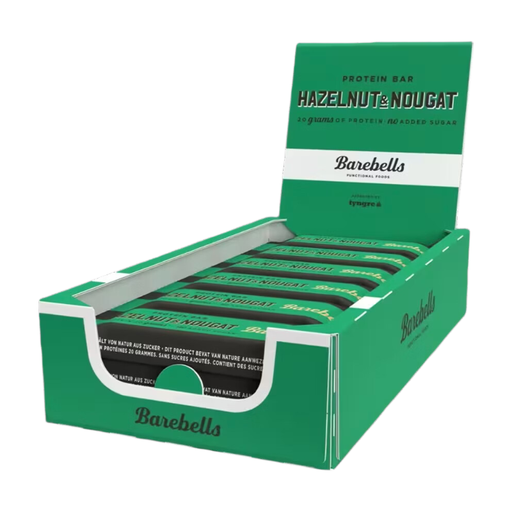
Why this fits the profile: Ideal for anyone looking for a multipack with a soft texture, consistent portions and a sweet nutty flavour for home, the office or on the go.
The product listing shows values per 55 g: 20 g of protein, 1.4 g of sugar and approximately 206 kcal. The pack contains 12 individual bars.
20 g of protein per bar, 2.9 g of fibre and a hazelnut-nougat flavour. Contains milk and hazelnuts; sweeteners and polyols are present.
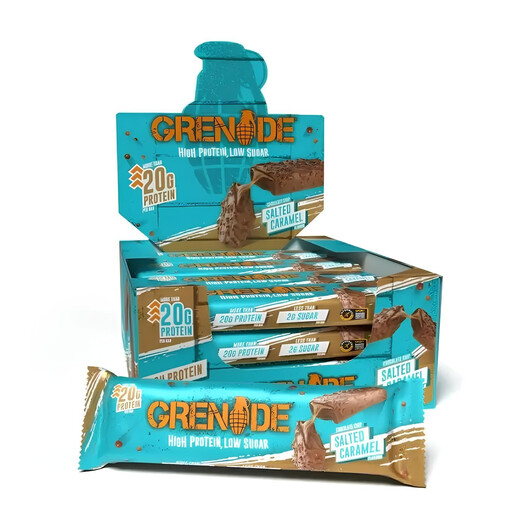
Why this fits the profile: A multipack for athletes who regularly take a reliable snack to the gym, workplace or on the go.
The product details list 20 g of protein, 1.4 g of sugar and 226 kcal per bar. This means you can factor the multipack into your daily planning in advance.
12 individually wrapped bars with a chocolate-caramel flavour, 20 g of protein and 2.5 g of fibre per bar. Contains high levels of polyols; excessive consumption may have a laxative effect.
We've put together a full, up-to-date list of products that fully meet these strict selection criteria and comply with current European safety regulations.
That depends on your diet plan. You can use a bar as a snack between meals, on the go or as a post-workout protein bar. There's no universally mandatory time. Always follow the serving information on the packaging.
That varies by product and your overall diet. A protein bar can be used daily as a supplement, but it doesn't replace a varied meal. Alternate with whole foods and, if you're eating several bars a day, keep an eye on calories, sweeteners and polyols.
Compare the price per bar or per 100 g. Also check the number of bars, the weight of each one, the best-before date and the nutritional values. A multipack isn't automatically better value if the bars are smaller or have a different composition.
