
Vandaag of morgen in huis

Kwaliteit gegarandeerd

Welkomstaanbiedingen ontgrendelen: GRATIS bezorging | Tot 80% korting | Gratis 30 dagen JoyPlus-proefperiode
Download de app
Pasta and noodles might seem like straightforward purchases, but comparing them online takes a bit of care. A striking packet doesn't tell you much about the ingredients, portion size, or whether it suits your eating habits. If you only search for terms like gluten-free pasta, low-carb noodles or organic baby food, you could miss important details.
When choosing a gluten-free option, you should always check the full ingredients list and allergen information. According to the product details, Grand'Italia Gluten-Free Fusilli is made from white rice, brown rice, maize and quinoa. The packaging also states that the product may contain traces of soya, so allergen information should be your guide.
Also, look out for products containing oats, buckwheat or wheat. Hethstia Konjac Noodle Oat Spaghetti is described as low-carb in the product information, but according to the same information, it contains gluten from oats. That doesn't automatically make it suitable for everyone avoiding gluten.
Many Asian noodles contain only a proportion of buckwheat flour. For example, NH Buckwheat Noodles contains 20% buckwheat flour, while BaiXiang Buckwheat Noodles states 15%. The rest is mainly wheat flour and other ingredients. So, check the percentage of buckwheat and the allergens, rather than relying solely on the product name.
"0 g fat" doesn't automatically mean a product is low in carbohydrates. YunShanBan 0 Fat Buckwheat Noodles states 0 grams of fat per 100 grams, but also 70.8 grams of carbohydrates. Konjac noodles generally have a different nutritional profile; Hethstia Konjac Noodle Fettuccine states 6 kcal and 1.3 grams of carbohydrates per 100 grams. Always compare the full nutritional table and pay attention to the preparation method.
First, look at the ingredients list. For gluten-free pasta, you need to check whether wheat, barley, rye or another source of gluten is present. For vegan eating, check for egg, milk and fish, among other things. A standard spaghetti might contain egg, for example, whereas a rice and maize pasta has a different composition.
For wholegrain pasta, it's relevant which flour is listed as the main ingredient. B+ Whole Grain Fusilli states 100% organic wholegrain durum wheat semolina and, according to the product information, contains 7 grams of fibre per 100 grams. This is a verifiable product specification; it doesn't automatically mean the product is suitable for every dietary goal.
Use the values per 100 grams to compare products fairly. Pay attention to:
A pasta meal from the freezer or a ready-to-eat portion can be convenient, but don't compare it directly with dried pasta. The weight, amount of sauce and preparation method all differ. Iglo Stir-Fry Sensation Tagliatelle Salmon is a frozen meal of 450 grams for one portion and states, among other things, 5.6 grams of protein and 0.43 grams of salt per 100 grams.
Dried spaghetti, fusilli and macaroni are generally suitable for store-cupboard storage if you keep them in a cool, dry place. After opening, check that the packaging can be sealed properly. Noodles made with konjac are often packed in liquid and must be kept refrigerated after opening and used within the stated period.
Also, pay attention to the pack size. A bag of 200 or 300 grams is good for a small stock or a first try. A pack of 800 grams, such as CKM Dried Buckwheat Noodles, can be more practical for families or people who regularly use Asian noodles.
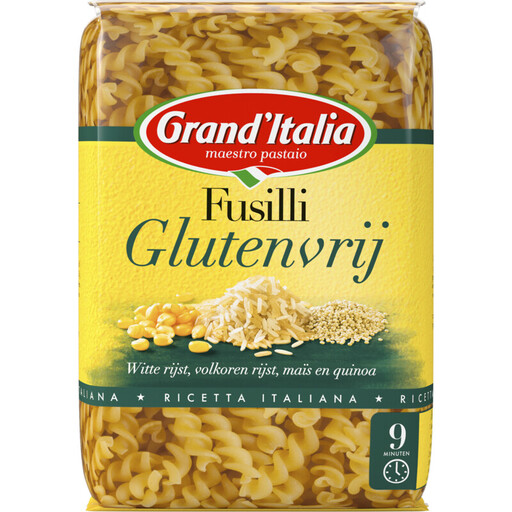
Why this fits the profile: A straightforward 400-gram pack for anyone wanting to try pasta without wheat. The fusilli shape holds sauce well.
The composition is clearly stated: white rice, brown rice, maize and 1% quinoa. Always check the current packaging and soya information.
400 grams; 359 kcal and 77 grams of carbohydrates per 100 grams according to the product information.
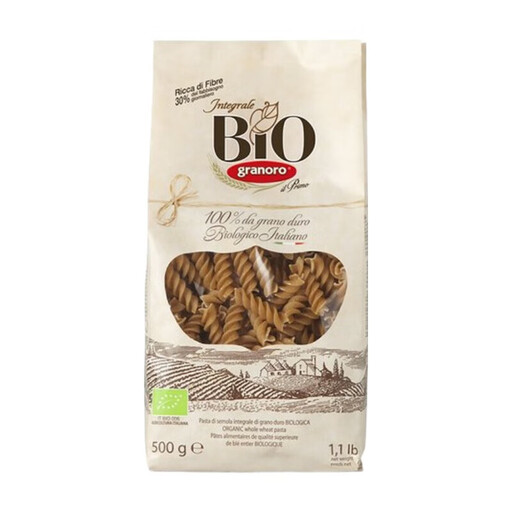
Why this fits the profile: Ideal for shoppers who pay attention to a wholegrain base and want a larger stock for meals with sauce, vegetables or pulses.
The product states 100% organic wholegrain durum wheat semolina, so the base isn't hidden behind vague marketing terms.
500 grams; 7 grams of fibre and 12 grams of protein per 100 grams according to the stated nutritional values.
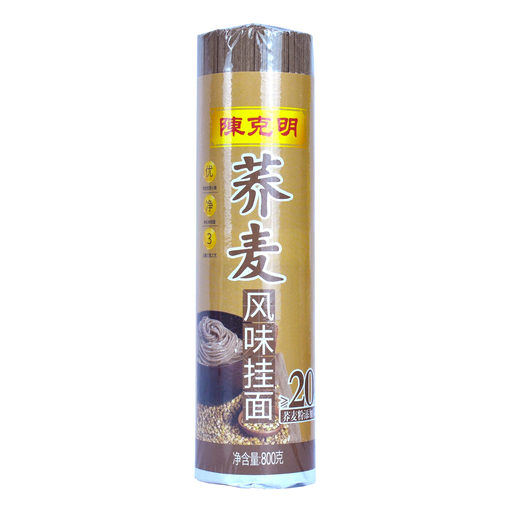
Why this fits the profile: A family-size bag for anyone who regularly makes noodle soup, stir-fried noodles or cold noodle dishes.
The buckwheat percentage is stated as a minimum of 20%. The product information also mentions wheat and gluten, so it is not a gluten-free choice.
800 grams; suitable for hot, cold and stir-fry dishes; cooking time according to the information: until the noodles are tender.
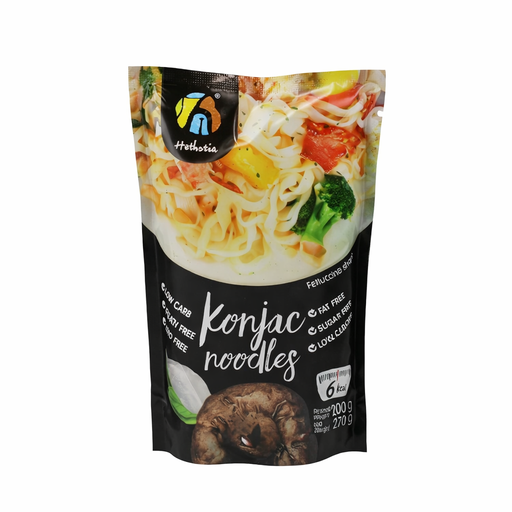
Why this fits the profile: The stated nutritional values suit anyone looking for an alternative to regular pasta that is low in carbohydrates and quick to prepare.
The nutritional values are clearly shown: 1.3 grams of carbohydrates and 6 kcal per 100 grams. Rinse the product according to the instructions and keep it refrigerated after opening.
270 grams; 0 grams of fat and 0 grams of salt per 100 grams according to the product information; suitable for stir-fries and pasta sauces.
We've put together a full, up-to-date list of products that fully meet these strict selection criteria and comply with current European safety regulations.
With organic baby food, age, texture, allergens and storage instructions are more important than the pasta shape. According to the product information, Ella’s Kitchen Organic Pasta with Vegetables is suitable from 8 months and contains soft pieces. Ella’s Kitchen Organic Spaghetti Bolognese Cheese is intended from 10 months and contains, among other things, wheat, egg and milk.
Olvarit Tomato Ham Macaroni is suitable from 8 months according to the product information. Always check the current packaging, age indication and instructions for storage after opening. With young children, you should also check the temperature and texture before serving.
Only choose a product where the packaging clearly states it is gluten-free and check the allergen list. Rice pasta and maize pasta can be an option, but also check for warnings about traces and cross-contamination.
Konjac noodles are often used as a low-carb alternative, but the nutritional values vary from product to product. Look at the carbohydrates, fibre, preparation method and storage time. The sauce and toppings also determine a large part of the final meal.
Follow the best-before date on the packaging and store dried products in a cool, dry place in a sealed container. After opening, an airtight container is practical. Fresh or liquid-packed konjac noodles usually have a shorter storage time after opening; follow the manufacturer's instructions for these.
