
Same-day & Next-day Delivery

Quality Guaranteed

Unlock Your Welcome Offers: FREE Delivery | Up to 80% OFF | Free 30-day JoyPlus trial
Download the APP
Buying nuts and peanut snacks online might seem straightforward, but the differences are often in the small details. A large bag isn’t always better value if you can’t finish it in time. A striking flavour can hide extra sugar, salt or a flour-based coating. And terms like “natural”, “premium” or “healthy nut snack” mean very little on their own without the ingredients list and nutritional information.
With these checks, you can compare salted peanuts, unsalted nuts, roasted peanuts, cashew nuts, macadamia nuts, pistachios and speciality Thai snacks in a practical way.
A 500g or 1kg bag can be great for a family, an office or regular use in recipes. But if you only snack occasionally, the risk of losing crunchiness increases. So check:
Store opened nuts and peanuts in a cool, dry place, away from sunlight, heat and moisture. Seal the pack tightly. Don’t use a product if the packaging is damaged.
Roasted or seasoned peanuts can have oil, salt, flour, sugar, starch and flavour enhancers added. With coated peanuts, the peanut content is sometimes much lower. For example, g’woon Sugar Peanuts contain 59% peanuts and 33% sugar. That makes them suitable if you’re after a sweet snack, but less appropriate if you want plain peanuts only.
With Thai snacks too, you need to look beyond the flavour name. Tom Yum, BBQ or Coconut Cream can contain wheat, soya, fish, egg or milk ingredients.
According to a brand’s own research, a snack might be described as extra crunchy, authentic or rich in flavour. Treat that as the manufacturer’s product information, not as a universal fact. Always check the ingredients, allergens, nutritional values and preparation method on the actual pack.
For a simple snack with few additions, look for a short ingredients list. Examples:
A nut mix can offer more variety, but check the proportions. The g’woon Macadamia Mix contains 26.1% peanuts, 18.8% almonds, 18.4% cashew nuts and 15.8% macadamia nuts, along with maize, pecans, salt and oil.
Always compare the nutritional values per 100g. That stops a small serving size on the front from giving a misleading picture. As a guide:
“Unsalted” doesn’t mean a product is low in energy. Nuts and peanuts are naturally energy-dense. So choose based on when you’ll eat them and your portion size, not just a claim on the front.
Peanuts and nuts are among the allergens that must be clearly labelled. Also look out for possible traces. For example, g’woon Sugar Peanuts states that the product may contain traces of nuts.
For a vegan or gluten-free choice, check the full pack. According to the product information, Titiz Roasted Chestnuts consist of 100% peeled, roasted chestnuts and are listed as vegan and gluten-free. With coated peanuts, wheat is often present. The KOH-KAE Coconut Cream variety, for instance, contains peanuts and wheat.
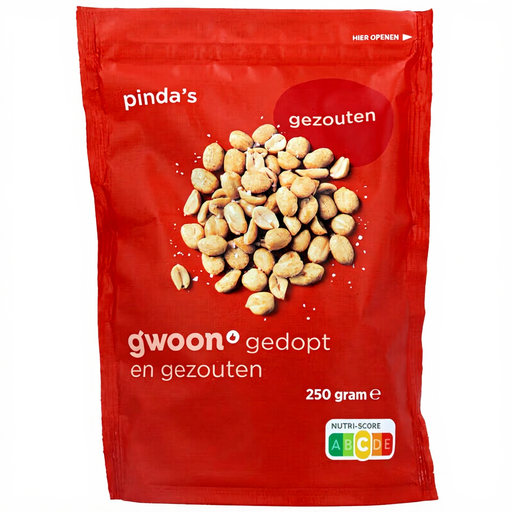
Why this fits the profile: A straightforward 250g pack, ideal for drinks, on-the-go snacking or a first try of salted peanut snacks.
The ingredients list states 99% peanuts and 0.7% salt. So it’s clear this isn’t a sugary or thick flavour coating.
99% peanuts, 250g and suitable as a simple snack with a drink. May contain traces of cashew nuts.
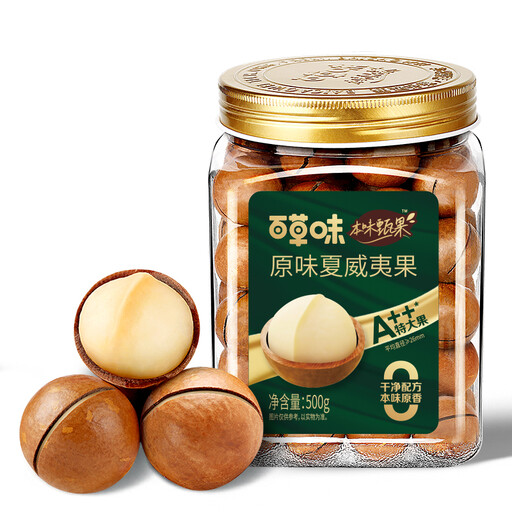
Why this fits the profile: For fans of a creamy nut flavour who want a large pack for snacking, baking, salads or desserts.
The product information states 100% macadamia nuts, with no added salt, sugar or spices. So you’re not paying for a heavy coating.
500g, 100% macadamia nuts and no added salt or sugar. Contains the allergen macadamia nuts.
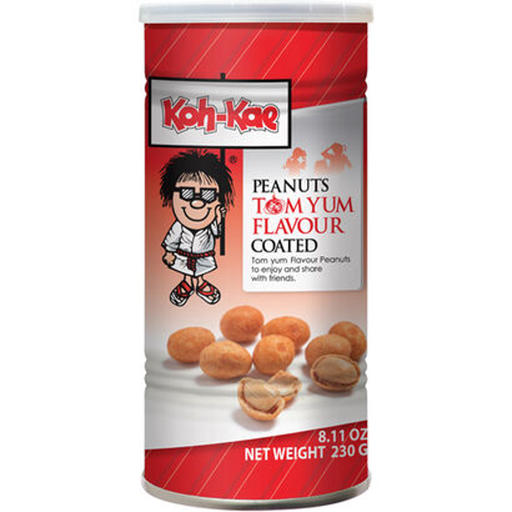
Why this fits the profile: For lovers of Thai snacks and Asian snacks who want a distinctive sweet, sour, spicy and savoury flavour profile.
The product information clearly lists peanuts, fish and wheat as possible allergens. This stops you mistaking a coated snack for plain peanuts.
230g, ready to eat and seasoned with Tom Yum spices. Not suitable for anyone who needs to avoid fish or wheat.
We’ve put together a full, up-to-date list of products that fully meet these strict selection criteria and comply with current European safety regulations.
That depends on your preference and how you’ll use it. A short ingredients list with only nuts or peanuts means no coating, sugar or extra spices have been added. Also check the portion size and nutritional values per 100g. “Healthy” isn’t a fixed product property for every consumer.
The shelf life varies by product and preparation. According to the product information provided, unopened raw peanuts can last around 6 to 12 months; roasted peanuts around 9 months; and sugar-coated peanuts around 6 months. After opening, always follow the date and instructions on the pack. Sealing tightly and storing in a dry place helps maintain quality.
Not automatically. Some varieties contain wheat, soya, fish, egg or milk ingredients. So always check the ingredients list and allergen information on the specific pack before you buy.
