
Vandaag of morgen in huis

Kwaliteit gegarandeerd

Welkomstaanbiedingen ontgrendelen: GRATIS bezorging | Tot 80% korting | Gratis 30 dagen JoyPlus-proefperiode
Download de app
At first glance, picking a multivitamin drink seems straightforward. But fruit drinks with added vitamins vary widely in their ingredients, portion sizes and ease of use. A bottle for home needs different qualities from a small carton for school or on the go.
Watch out for these three common pitfalls:
When choosing a multivitamin juice or fruit drink with vitamins, the key things to look at are the fruit percentage, sugar content and packaging. Also check the exact nutritional values per 100 ml. That way, you won’t be misled by a claim on the front of the pack.
“Fruit juice with vitamins” can be made from juice from concentrate, purée, water, flavourings and added vitamins. The fruit percentage tells you how much juice or purée is actually in the drink.
For comparison:
A higher fruit percentage doesn’t automatically mean the drink will suit your taste or budget. But it is a measurable point that lets you compare products more fairly.
If you’re looking for a sugar-free multivitamin drink, you need to look beyond the front of the pack. Check the nutritional information for:
According to the product information, Capri-Sun Multivitamin Zero Sugar has 0 g sugar and 3 kcal per 100 ml. The drink is sweetened with several sweeteners. The regular Capri-Sun Multivitamin Juice has 7.1 g sugar per 100 ml. Roosvicee Multivit Kiwi Orange has 12 g sugar per 100 ml, while the peach version has 6.1 g sugar per 100 ml.
Bear in mind: product details can vary by flavour, pack size or market version. Always check the actual pack before you buy a multivitamin drink.
For a family, a 1.5-litre bottle can be practical. Once opened, it needs to be kept in the fridge and used within the time stated on the pack. Small 200 ml cartons are easier to take with you, but they create more packaging per litre.
For children, the portion size matters too. A multivitamin drink for children isn’t automatically the same as a children’s food supplement. Products like Davitamon Junior 1-3 and Dagravit Start Drinkable Multivitamins have a specific age recommendation and dosage. Always follow the label and the recommended amount.
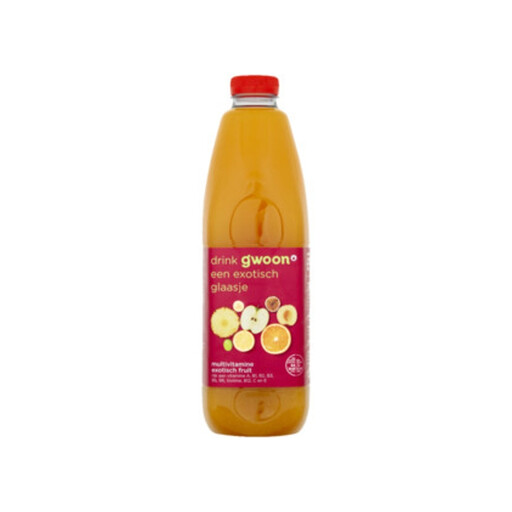
Why this fits the profile: The 1.5-litre bottle is ideal for a household that pours several glasses at home and doesn’t want to buy only small portion packs.
The stated fruit content of 59% gives you more information than just the general “multivitamin” label. Always compare the actual nutritional values on the bottle.
1.5 litre capacity; blend of apple, white grape, peach, pineapple, lemon, orange, banana and passion fruit.
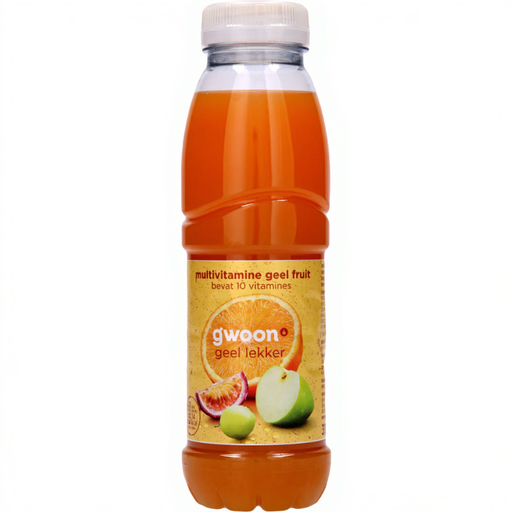
Why this fits the profile: For those who want to weigh up several details, this product lists the fruit percentage, the fruit varieties used and a broad range of vitamins.
The information states 75% fruit juice from concentrate and purée. This lets you compare the product more meaningfully with drinks that have a lower fruit content.
75% fruit juice from concentrate and purée; vitamins A, B1, B2, B3, B5, B6, B8, B12, C and E according to the product information.
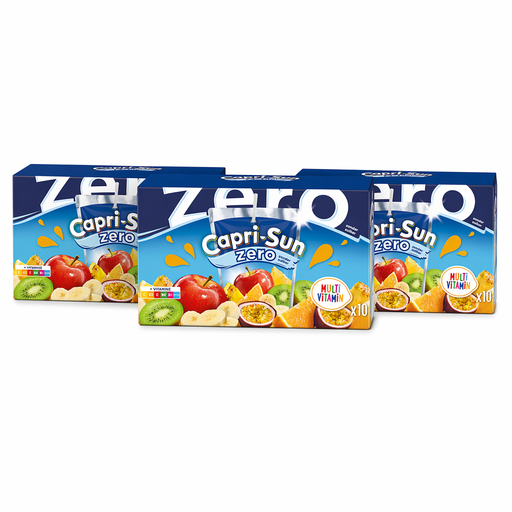
Why this fits the profile: The bundle of small cartons suits families who regularly take drinks to school, sports or days out.
The 200 ml portions limit how much you pour out each time. Do check whether you’re happy with sweeteners, as they are listed in the ingredients.
30 cartons of 200 ml; according to the product information, 0 g sugar and 3 kcal per 100 ml.
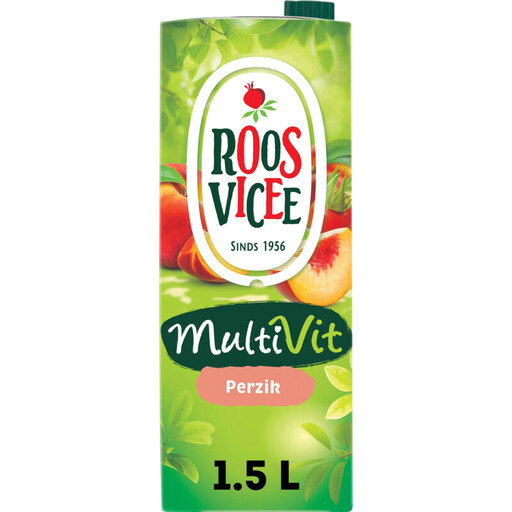
Why this fits the profile: The 1.5-litre bottle is ideal for families who want a familiar fruit drink at breakfast, lunch or as a snack.
The product information clearly states 6.1 g sugar per 100 ml and 25% fruit juice from concentrate. That makes the ingredients easy to check before you buy.
1.5 litre capacity; flavour based on apple, rosehip, peach and mandarin; vitamins B, C, E and K according to the label.
We’ve put together a full, up-to-date list of products that meet these strict selection criteria and comply with current European safety regulations.
That depends on the product. A regular fruit drink with vitamins usually has general nutritional information and isn’t the same as a supplement with an age recommendation. According to the product information, Davitamon Junior 1-3 is intended for children aged 1 to 3 years, and Dagravit Start Drinkable Multivitamins for children aged 3 to 12 years. Always follow the dosage on the label. A food supplement is not a substitute for a varied diet.
A sugar-free multivitamin drink contains no sugar according to the nutritional information table, but it may contain sweeteners. Capri-Sun Multivitamin Zero Sugar states 0 g sugar per 100 ml and uses sweeteners. So check both the nutritional information table and the full ingredients list.
This varies by brand and pack size. For many bottles, the rule is: once opened, keep refrigerated and use within the time stated on the label. Small cartons are usually intended for one serving. Check the seal, the best-before date and any instructions such as “keep refrigerated after opening” before you serve the drink.
