
Vandaag of morgen in huis

Kwaliteit gegarandeerd

Welkomstaanbiedingen ontgrendelen: GRATIS bezorging | Tot 80% korting | Gratis 30 dagen JoyPlus-proefperiode
Download de app
Choosing a moisturiser might seem straightforward, but the options vary widely in texture, ingredients, size and area of use. Whether you're looking for a face cream for every morning, a body cream for dry skin or a fragrance-free moisturiser, a well-known brand name alone isn't a reliable guide.
Pay particular attention to these common pitfalls:
A cream for the face usually has a different texture from a body cream. The skin on your body can tolerate a richer formula, whereas a face with oily or combination skin often responds better to a light gel cream.
Glycerine and hyaluronic acid help retain water in the upper layers of the skin. A hyaluronic acid cream is therefore especially interesting when you're looking for a light, moisturising texture. However, the concentration and the full formula determine how a product feels; the name of one ingredient is no guarantee of a particular result.
Ceramides, cholesterol and fatty acids appear in formulas aimed at supporting the skin barrier. A ceramide cream can suit a dry or sensitive skin, but also watch out for any fragrance ingredients and the richness of the formula. "Skin barrier repair" should be read as a product goal or brand claim, not a medical promise.
Plant oils, panthenol, beta-glucan and shea butter can make the formula more nourishing. According to brands' own product information, these ingredients are often linked to comfort and hydration. Check for yourself whether the combination suits your skin and preferences.
A fragrance-free cream isn't necessary for everyone, but it can be a logical choice when you want to avoid scent ingredients. Products like Clinique Moisture Surge are described as fragrance-free according to the product description, while some natural or luxury creams contain fragrance or essential oils.
Also compare the size:
Store the cream according to the instructions and check the expiry information on the packaging. Stop using it if you experience irritation, redness or an allergic reaction. For persistent skin concerns, advice from a doctor or dermatologist is more appropriate than continually switching products yourself.
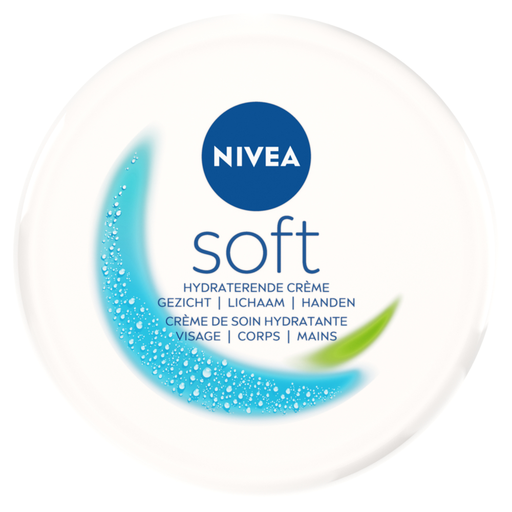
Why this fits the profile: A straightforward choice if you want one cream for your face, hands and body. The 200 ml pot is practical for daily skincare.
The product information clearly states its use for face, hands and body. The ingredients list also makes the presence of fragrance and scent ingredients visible.
200 ml; glycerine, jojoba oil and vitamin E according to the product description; suitable for daily use.

Why this fits the profile: A face gel cream for anyone looking for a fragrance-free, oil-free formula with multiple uses.
The product details explicitly state fragrance-free, oil-free and non-comedogenic. This means you don't have to infer these features from marketing images.
75 ml; gel cream for the face; according to the product description, can be used as a day cream, make-up base or mask.
We've put together a full, up-to-date list of products that fully meet these strict selection criteria and comply with current European safety regulations.
Apply a face cream to cleansed skin. A small amount is usually enough; too much product can feel sticky or pill under make-up. Use a sunscreen during the day when your skin is exposed to UV radiation. A night cream can be richer, but that's not a requirement: the most important thing is that the texture is pleasant enough to use consistently.
For the body, applying after a shower often works well, when your skin isn't completely dry yet. If you have sensitive skin, test a small area first. When choosing a fragrance-free routine, don't just rely on the front of the packaging; also check for terms like parfum, limonene, linalool and essential oils in the ingredients list.
Look for a richer formula with ingredients such as glycerine, shea butter, oils, squalane, ceramides or panthenol. A cream for dry skin isn't automatically suitable for the face, so always check the stated area of use.
Not always. "Moisturiser" mainly describes the product's purpose. A face cream is specifically intended for the face, whereas a body cream or face and body cream is developed for a larger skin surface area.
Follow the expiry information on the packaging and look for the symbol indicating the period after opening when present. Keep the pot or tube tightly closed, dry and out of direct sunlight. If the smell, colour or texture changes, it's best not to use the product any more.
