
当日/次日达

品质保障

开启新人专享福利: 全场免邮 | 低至 2 折 | 免费试用 30 天 JoyPlus 会员
下载 Joybuy
Dry lips, a colour that’s barely visible, or lip gloss that feels sticky after just a few minutes – lip products vary enormously in formula and how they wear. An attractive package or a promise like “long-lasting” doesn’t tell you everything about the experience. With the right checks in place, you can make a more informed choice between lip balm, tinted lip balm, lip tint, liquid lipstick and Korean lip make-up.
A lip gloss can add shine, but it isn’t automatically designed for intensive lip care. A liquid lipstick may be packed with pigment, but that can also make it feel less comfortable on dry lips. If you mainly struggle with chapped lips, it’s often a good idea to use a lip balm first and then apply colour afterwards.
How long a product lasts depends on eating, drinking, friction and the condition of your lips. Claims like “up to 12 hours” are product claims, not a guarantee for every user. According to the product information from Laka, the Perfect Twin Lip variants are designed for up to 12 hours of transfer-resistant colour. In practice, you may still need to touch up.
A pleasant scent or striking colour might actually be unsuitable if you react sensitively to certain ingredients. Always check the ingredients list on the packaging. For products with colourants, some product descriptions recommend testing on a small area of skin before first use. Stop using the product if irritation occurs and avoid contact with the eyes.
First, look at the main purpose:
Check the full INCI list on the packaging, especially if you have sensitive skin. Also look at the expiry date, the batch number and the period after opening, often indicated as 12M for example. The packaging is the definitive source when product information online differs.
A balm with waxes and oils can create a protective layer, while a gloss mainly provides shine and colour. “Natural”, “vegan” or “dermatologically tested” should only be used as a deciding factor when this information is clearly stated on the packaging or product page. For Laneige, the product information mentions vegan, alcohol-free and paraben-free among other things; check the current packaging for the exact formula.
A clear gloss gives a subtle result and can be used over other lip products. Matte lipstick tends to emphasise dry patches more, so a thin layer of balm beforehand can be helpful. With a duo product, you can wear the colour alone, apply the gloss over it, or combine the two textures.
For an even result:
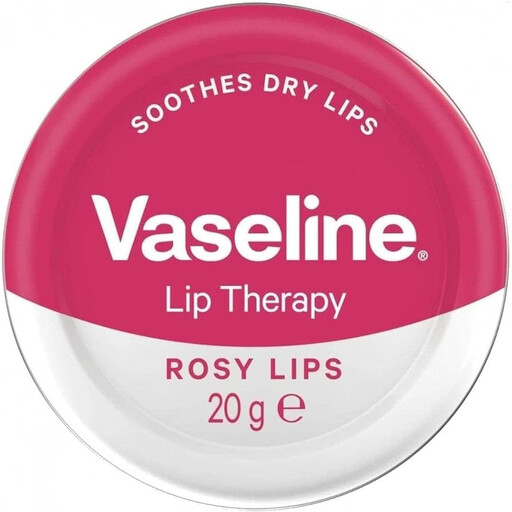
Why this suits the profile: A simple lip product for daily use, with a balm texture and a pink tint in a portable tin.
The product information states a non-greasy and non-sticky formula and makes it clear that this is a balm, not a long-lasting lipstick.
20g content, compact tin and a subtle pink colour according to the product description.
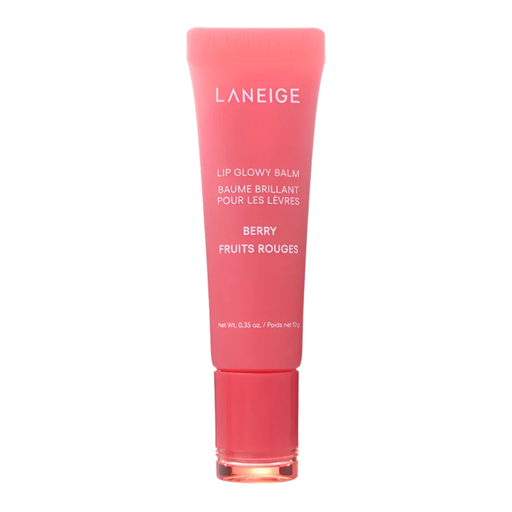
Why this suits the profile: For those who want to combine hydrating lip care with a berry colour and noticeable shine for daytime wear.
The product page separately mentions the balm texture, subtle colour and glossy finish, so expectations are clearer.
10g content, tube packaging, shea butter and murumuru seed butter according to the product information.
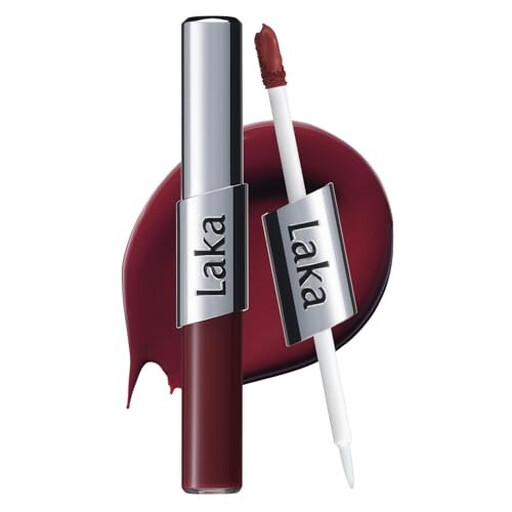
Why this suits the profile: For users who want to switch between matte lip make-up and glossy lips without carrying two separate products.
The two ends make it clear which effect you’re applying: satin-matte liquid lipstick as a base and clear gloss as a layer on top.
Duo formula, high pigmentation according to the product description and a content of 0.31 fl oz.
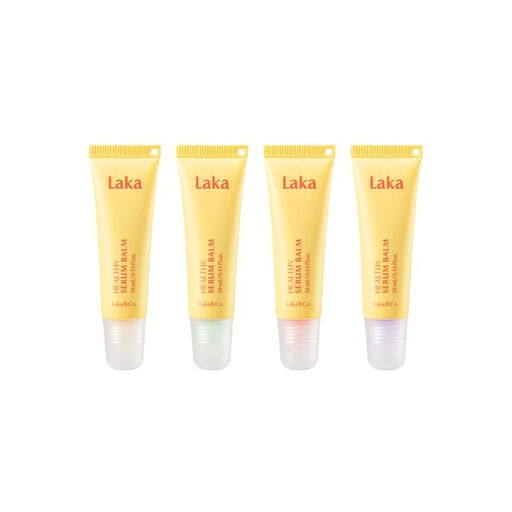
Why this suits the profile: Suitable for those looking for a balm that can be used both during the day and as a thicker overnight layer.
The product description separately mentions the usage moments and formula, while the variant and ingredients should be checked on the packaging.
10ml content, honey variant and ingredients such as apple seed oil and camellia oil according to the product information.
We’ve put together a full, up-to-date list of products that fully meet these strict selection criteria and comply with current European safety regulations.
Choose a lip balm or serum balm with a formula that forms a protective layer, for example with waxes, oils or petrolatum. A tinted lip balm can add colour, but always check whether fragrances or other ingredients are suitable for you.
Lip gloss is mainly intended for shine and can be transparent or lightly coloured. A lip tint generally gives more colour that can remain visible for longer, but it doesn’t automatically offer the same nourishing properties as a balm. For glossy lips, you can combine a tint with a gloss.
Look at the expiry date, the batch number and the symbol for the period after opening on the packaging. Store lip products in a cool, dry place, close them tightly and don’t share applicators with others. Notice a change in smell, texture or colour? First check the packaging and don’t use the product if you’re unsure.
