
Vandaag of morgen in huis

Kwaliteit gegarandeerd

Welkomstaanbiedingen ontgrendelen: GRATIS bezorging | Tot 80% korting | Gratis 30 dagen JoyPlus-proefperiode
Download de app
Lemonade might seem simple to choose, but the range varies enormously. You’ll find small cans for a special occasion, large bottles for guests, and lemonade syrup that makes several litres. Terms like “natural”, “fruity” and “zero sugar” don’t always tell you enough about the ingredients or how to use it.
If you’re buying lemonade online, it’s worth looking beyond the packaging. Pay particular attention to three common pitfalls:
The nutritional information is usually given per 100 ml. That makes comparing easier, but pay attention to whether it’s a ready-to-drink beverage or a diluted syrup.
A few examples:
A zero sugar fizzy drink can therefore be suitable if you want to avoid sugar, but the taste and ingredients differ from regular fizzy drinks. Always check the current packaging, as recipes and labels can change.
Not every lemon lemonade tastes the same. Some drinks are mainly sweet and lightly sparkling, while others have more lemon, lime or a bitter edge.
With syrups, also check the recommended mixing ratio. According to the product description, Raak Grenadine Lemonade is mixed with one part syrup to seven parts water. One bottle makes approximately six litres of drink, or around thirty 200 ml glasses.
The right size prevents waste and unnecessary costs.
After opening, pay attention to the storage advice. Many drinks need to be kept refrigerated and used within the stated period. Store unopened bottles and cans according to the information on the packaging, away from direct sunlight and excessive heat.
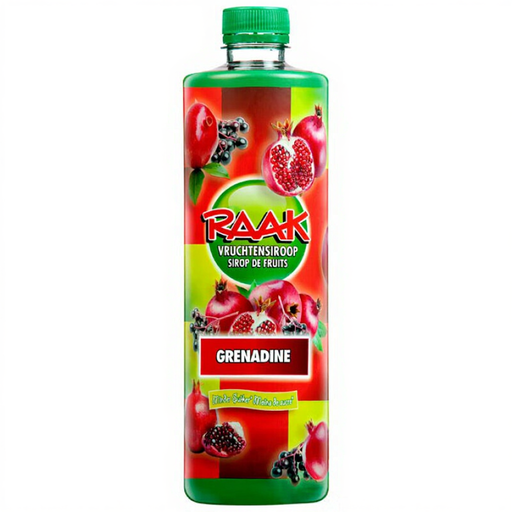
Why this fits the profile: The syrup is designed for around 30 glasses and can be mixed with still or sparkling water. That gives you flexibility for everyday use and for guests.
You’re not buying a large quantity of ready-to-drink fizzy drink if you only want an occasional glass. The mixing ratio and yield are clearly stated on the product.
Approximately 6 litres of prepared drink; 6.7 grams of sugar per 100 ml; vegan and gluten-free according to the product information.
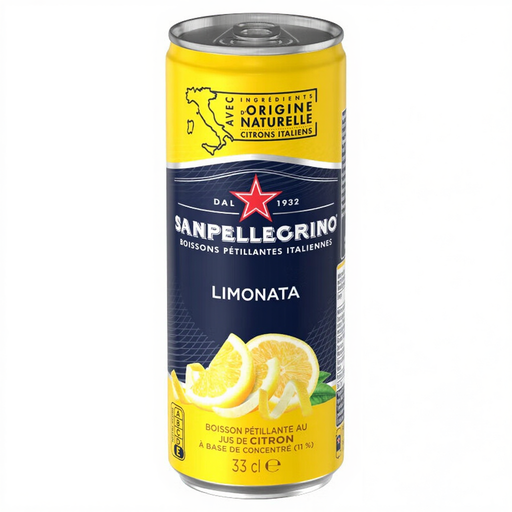
Why this fits the profile: A compact portion for anyone who values a pronounced lemon flavour and a polished presentation with a meal or drinks.
The size makes the portion easy to manage. The product information states 11% lemon juice from concentrate, so you can compare the flavour base with other lemon lemonades.
330 ml per can; sparkling lemonade with lemon; according to the product information, it comes from Italy and should be served chilled at 6–8 °C.
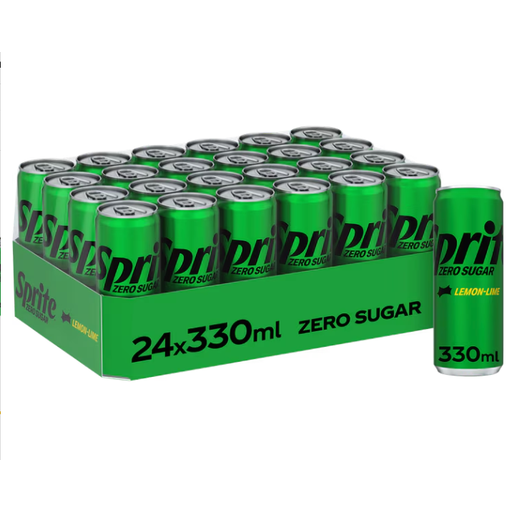
Why this fits the profile: A multipack of individual cans is ideal for stocking up for parties, an office or households where fizzy drinks are served regularly.
The fixed number of cans makes the total stock clear. The nutritional information states 0 grams of sugar per 100 ml; do check the warning about phenylalanine on the label.
24 cans of 330 ml; lemon-lime flavour; caffeine-free according to the product description; serve chilled.
We’ve put together a full, up-to-date list of products that fully meet these strict selection criteria and comply with current European safety regulations.
For a refreshing lemon-lime fizzy drink, 7UP Lemon Lime Soda and G’woon Clear Lemon are logical options to compare. The first comes in a 1.5 litre bottle and contains sugar and sweetener. G’woon Clear Lemon is also 1.5 litres, but lists 0 grams of sugar per 100 ml and uses sweeteners.
If you’re after an exotic fizzy drink, you could look at Calypso Yuzu Lychee Lemonade. According to the product information, the drink contains yuzu, lychee and concentrated lemon juice. The 473 ml variant is good for trying first; the pack of six is better for regular use.
For a more bitter profile, London Bitter Lemon and g’woon Bitter Lemon Tonic Water are alternatives. Pay attention to the difference in lemon juice, sugar content and packaging before you choose.
Lemonade can be either a ready-to-drink beverage or a syrup that you dilute with water. Fizzy drink is usually ready to drink straight away and often carbonated. So always check whether you’re buying a bottle of drink or a concentrate.
Not necessarily, but many sugar-free varieties are low in calories. Look at the nutritional information per 100 ml and check which sweeteners have been used. With multipacks, the total number of cans can also affect the cost.
That varies by product. Store opened syrup according to the label, usually tightly sealed and refrigerated. The best-before information on the packaging is what you should follow. Don’t use any product where the seal was damaged when you bought it, or where the smell, colour or taste has clearly changed.
