
Vandaag of morgen in huis

Kwaliteit gegarandeerd

Welkomstaanbiedingen ontgrendelen: GRATIS bezorging | Tot 80% korting | Gratis 30 dagen JoyPlus-proefperiode
Download de app
You often only notice a poor choice of laundry detergent after several washes. White clothing can look grey, colours can fade more quickly, and a large bottle can sometimes be less economical than you think. Even an appealing claim like “concentrated” or “for all laundry” doesn’t automatically mean the product is right for your household.
The main pitfalls to watch out for are:
Washing powder is practical for white laundry and heavily soiled clothing. Many white detergents contain oxygen bleach, enzymes and water softeners. This combination can help with stains and keeping white fabrics bright. However, washing powder can leave visible residue if you use too much or wash at a low temperature.
Liquid detergent generally dissolves easily and is handy for everyday mixed-colour washes. A colour detergent is formulated with colour retention in mind, while a universal detergent is often intended for both white and coloured laundry. Always check whether wool and silk are excluded; this is stated on the label for many standard products.
Laundry capsules offer a pre-measured dose. This is convenient, but less flexible when you’re running a small drum or lightly soiled load. Store capsules in a dry place, out of reach of children and according to the safety instructions on the packaging.
A pack claiming “40 washes” or “83 washes” only means something if the dosage is comparable. The recommended amount can depend on:
Use a dosing cap, dosing ball or measuring scoop and follow the table on the packaging. More detergent doesn’t automatically mean cleaner clothes. In fact, it can cause extra rinsing, fragrance or residue. So look at the cost per wash, not just the price of the pack.
For white towels, bedding and cotton clothing, a white laundry detergent can be suitable. For jeans, dark clothing and mixed colours, a colour detergent is usually more logical. Sort your laundry by colour and care label, especially with new, dark or strongly coloured fabrics.
If you are sensitive to fragrances, you could look for a hypoallergenic detergent without perfume and dyes. The label “dermatologically tested” is no guarantee that everyone can use the product without problems. Check the ingredients list and, if in doubt, try a small load first. Stop using it if irritation occurs and follow the safety information on the packaging.
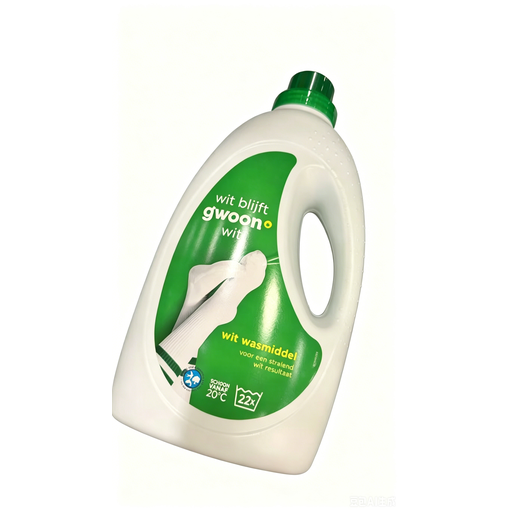
Why this fits the profile: A liquid detergent for households that want one bottle for white, coloured and black laundry, with dosing from 20 °C according to the product description.
The product states specific dosages for light, normal and heavy soiling. This means you don’t have to guess and add extra detergent.
Liquid formula, suitable for 20 to 95 °C according to the description and not intended for wool or silk.
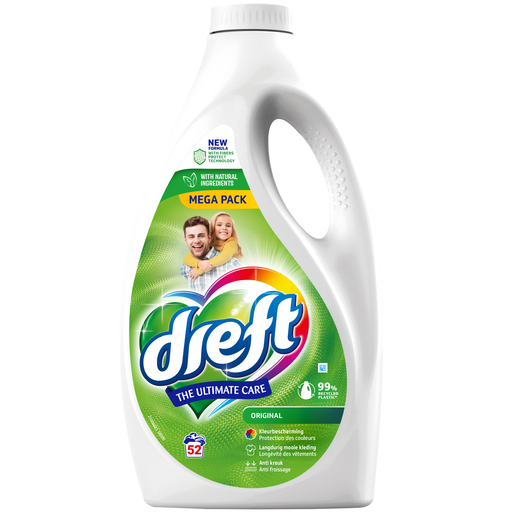
Why this fits the profile: For everyday laundry where a concentrated liquid detergent, fragrance and colour retention are important.
The number of 52 washes is clearly stated. The concentrated formula requires careful dosing according to the label, rather than a full cap per wash.
According to the product description, suitable for white and coloured laundry, with colour protection, anti-crease action and a bottle made from 99% recycled plastic.
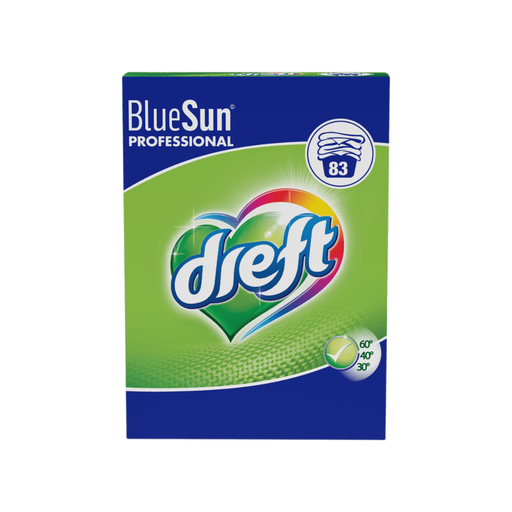
Why this fits the profile: For families or households with lots of laundry, looking for one bulk pack for white and coloured laundry.
The packaging states 83 washes and use at 30, 40 and 60 °C. This makes stock management and application straightforward.
Powder form, suitable for white and coloured laundry according to the product information and designed to tackle stains in a large household.
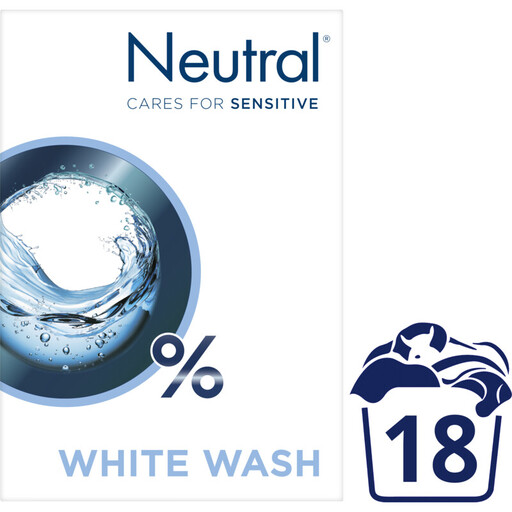
Why this fits the profile: For those looking for a fragrance-free washing powder without dyes and wanting to carefully evaluate the product claims.
The product information explicitly states no perfume and no dyes. This is more verifiable than just a general claim about mildness.
According to the product description, hypoallergenic and dermatologically tested, with oxygen bleach for white laundry.
We’ve put together a full, up-to-date list of products that fully meet these strict selection criteria and comply with current European safety regulations.
For white cotton, towels and bedding, you could consider a white detergent or washing powder with oxygen bleach. Check the care label and don’t automatically use it for dark or delicate fabrics. For wool and silk, a special delicates detergent is needed if the care label specifies it.
That depends on the dosage, packaging and price per wash. Liquid detergent is handy for everyday laundry and dissolves easily. Washing powder can be suitable for white laundry and heavier soiling. Divide the purchase price by the stated number of washes and take into account the dosage for hard water or a full drum.
Follow the best-before, use-by or expiry date on the packaging. Store detergent in a dry, cool place out of reach of children. Seal liquid detergent properly and keep moisture away from washing powder and capsules. If the smell, colour or texture changes noticeably, check the label first before using it.
