
Vandaag of morgen in huis

Kwaliteit gegarandeerd

Welkomstaanbiedingen ontgrendelen: GRATIS bezorging | Tot 80% korting | Gratis 30 dagen JoyPlus-proefperiode
Download de app
A good laundry detergent needs to suit your clothes, your wash programme and your household. Yet many shoppers end up paying too much for a product that doesn't match how they actually use it. The packaging often promises a strong scent, extra protection or a high number of washes, but the important details are printed much smaller.
The most common pitfalls when buying laundry detergent are:
The format mainly determines ease of use, dosage and storage.
Washing powder is practical if you want to adjust the dosage yourself. That's handy for small loads, stubborn stains or heavily soiled clothing. A white detergent in powder form often contains oxygen bleach or other ingredients that, according to the product description, are intended to keep white laundry bright.
Bear in mind: check whether the powder is suitable for coloured laundry. A product for white washing isn't automatically suitable for dark or brightly coloured clothes.
Liquid laundry detergent generally dissolves quickly and is easy to measure with a dosing cap. It works well for everyday washing and low temperatures. A concentrated formula may require less product per wash, but always follow the dosage table on the packaging.
A colour detergent is designed for coloured clothing. For a mixed wash, a product suitable for both coloured and white laundry can be practical, as long as the garment's care label allows it.
Laundry capsules offer a fixed dosage. You don't need a measuring cup and you place the capsule directly into the empty drum. The amount is less flexible: with a small load or light soiling, you usually can't easily use less.
According to the product description from Ariel, the capsules dissolve in water and are intended for use from 30 °C. Always check each product's own instructions and store capsules safely.
Don't just compare the price of the pack. Look at:
A pack with 9 kg of washing powder may be suitable for a large family, but some products require a relatively high dosage. Bingo Matic, for example, states 215 grams for moderately soiled laundry and 430 grams for heavily soiled laundry. The actual number of washes therefore depends on your usage.
Choose a product based on your most common wash:
Also always follow the garment care label. A suitable detergent won't compensate for the wrong temperature or wrong programme.
If you have sensitive skin or prefer to avoid perfume, look for hypoallergenic laundry detergent or fragrance-free laundry detergent. Neutral states on its colour and white washing powders, among other things, 0% perfume and 0% dyes. The terms "hypoallergenic" and "dermatologically tested" are product claims; check the current packaging and ingredients list.
Also pay attention to warnings. Some detergents can cause eye irritation or contain allergens. Keep the product out of reach of children, use the recommended dosage and store it in its original packaging.
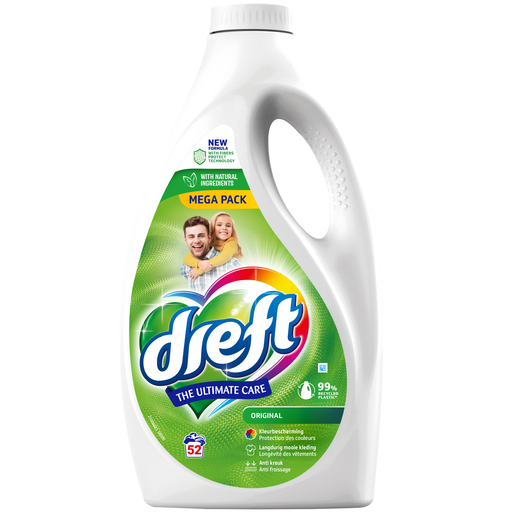
Why this fits the profile: The liquid format is easy to dose and the pack states 52 washes. According to the product description, this detergent is suitable for both coloured and white laundry.
The stated number of washes makes comparison easier than just looking at the bottle size.
52 washes, concentrated formula according to the product information and stated colour protection.
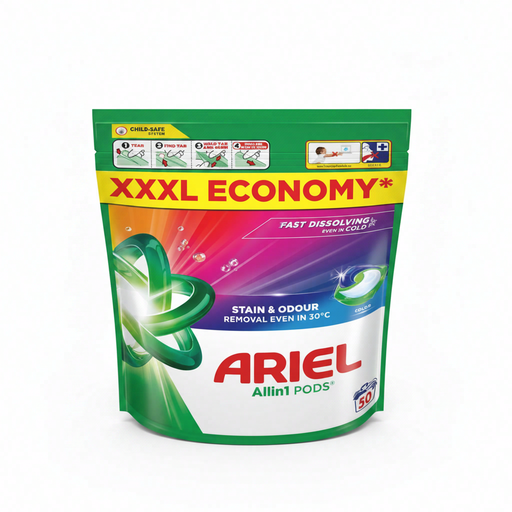
Why this fits the profile: If convenience and a fixed dosage matter to you, capsules for coloured clothing are a great choice. The product information states 50 washes and use from 30 °C.
The fixed capsule prevents under-dosing, while the 50-wash count offers a clear point of comparison.
50 capsules, fixed dosage and, according to the product description, a soluble, biodegradable capsule wrapper.
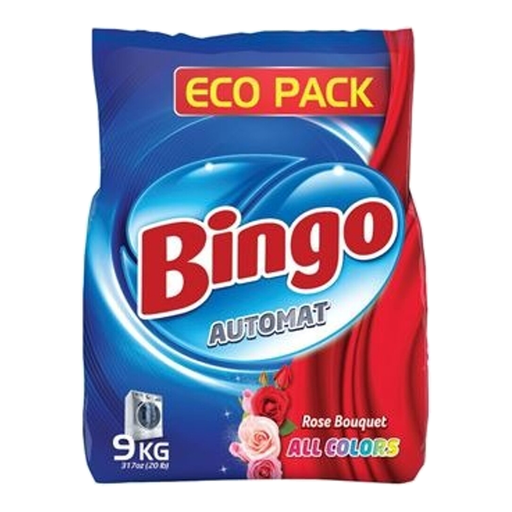
Why this fits the profile: A large household with lots of machine washing can benefit from a generous pack. The product information states suitability for automatic washing machines and for coloured and mixed fabrics.
The dosing instructions make it clear that heavily soiled laundry requires more powder, so you avoid an overly optimistic estimate of usage.
9 kg contents, colour protection according to the product description and a phosphate-free formula according to the product information.
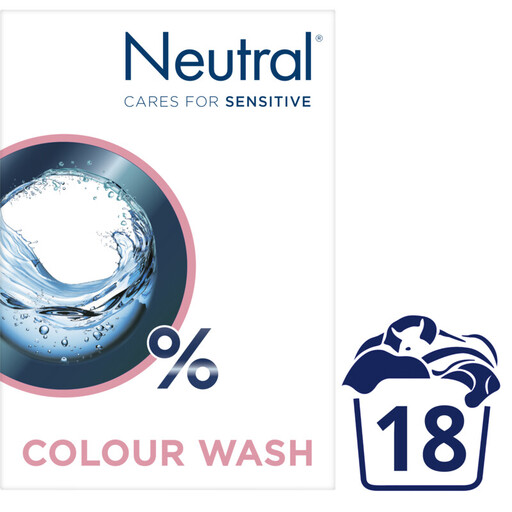
Why this fits the profile: According to the product information, this colour washing powder is fragrance-free, dye-free and designed for people who value these features.
The product features list perfume and dyes separately, so you don't have to rely solely on the front of the packaging.
1.188 kg contents, no perfume and no dyes according to the product information.
We've put together a full, up-to-date list of products that fully meet these strict selection criteria and comply with current European safety regulations.
That depends on the dosage, the number of washes and the price of the pack. Compare the price per wash and follow the dosage table. A concentrated liquid detergent may require a smaller dose, while powder is dosed differently for heavily soiled laundry.
Choose a detergent for white laundry if you wash white clothes regularly and the product information mentions a whitening or bleaching component. Don't automatically use this for coloured clothing. Also check the care labels of cotton, linen and synthetic fabrics.
The shelf life and any usage period are stated on the packaging. Store detergent in a cool, dry place, seal the pack properly and don't use a product whose packaging is damaged or whose composition is no longer recognisable. If in doubt, the label and safety information are decisive.
