
Vandaag of morgen in huis

Kwaliteit gegarandeerd

Welkomstaanbiedingen ontgrendelen: GRATIS bezorging | Tot 80% korting | Gratis 30 dagen JoyPlus-proefperiode
Download de app
You want a quick coffee without a coffee machine, but the choice is overwhelming. Do you go for a jar, a sachet or instant coffee sticks? And are you after black coffee, cappuccino instant coffee or a sweet 3-in-1 coffee?
The packaging doesn't always tell the full story. A creamy coffee speciality, for example, can be mostly sugar and creamer, while a product with "Gold" in the name won't automatically suit your taste. With these practical checks, you can compare instant coffee based on ingredients, preparation method, size and when you'll use it.
With 3-in-1 coffee, latte macchiato instant coffee and cappuccino sticks, the ingredients are often a combination of sugar, creamer, milk powder and instant coffee. So always check the ingredients list and the percentage of coffee.
With NESCAFÉ 3in1 Smooth & Rich, for example, the mix contains 53% sugar and 7.6% instant coffee. That makes it suitable for anyone looking for coffee with milk and sugar, but less fitting for someone who wants a clear coffee flavour above all.
Instant coffee sticks are handy for on the go and in the office, but the price per cup can be higher than with a jar. Don't just look at the number of sachets. Also compare the net weight, the recommended amount of water and the number of servings.
A 200g jar is usually the most practical for daily use at home. Sticks, on the other hand, are convenient when you want to take portions with you or don't want to use a measuring spoon.
Terms like Arabica, premium, sustainable or rich aroma don't tell you much about your personal taste. Check whether the packaging states which coffee beans have been used, whether there's any sugar or milk content, and how the product is prepared.
According to the product description of g'woon Instant Coffee Gold, the mix consists of 97% instant coffee and 3% roasted and ground Robusta. With g'woon Instant Red Coffee, 100% instant Robusta is stated. So the product composition matters more than just the colour or name on the packaging.
Arabica instant coffee is often chosen by shoppers looking for a milder, more aromatic flavour. Robusta instant coffee generally has a stronger coffee profile. A blend combines both characteristics.
According to the product description, Nescafé Gold Instant Coffee is made with selected Arabica coffee beans. Douwe Egberts Aroma Rood contains 100% freeze-dried instant coffee according to the ingredients list, made from a blend of roasted Arabica and Robusta beans. These are verifiable differences you can consider when choosing.
Also pay attention to the brewing strength. A jar coffee is often made with one or two teaspoons, whereas an espresso stick, for example, is intended for around 60 ml of water. More water makes the same amount of coffee weaker.
For black instant coffee, the ingredients list often contains just coffee. That means you can add your own milk, sugar or a plant-based alternative. With coffee mixes, sugar and creamer are already included.
Check in particular:
With NESCAFÉ 3in1, milk is listed as an allergen. Milk also appears in the ingredients of Douwe Egberts Latte Macchiato and cappuccino. The allergen information on the packaging remains the deciding factor, especially when an online product description and the ingredients list don't seem to match completely.
A 50g jar is handy for trying out a flavour. A 200g pack is better suited to daily use. Sticks are ideal for a bag, desk drawer or holiday suitcase, but they require more individual packaging.
Store instant coffee in a dry, cool place away from direct sunlight. Seal an opened jar tightly. Don't use a stick if the packaging is damaged, and always check the best-before information on the product.
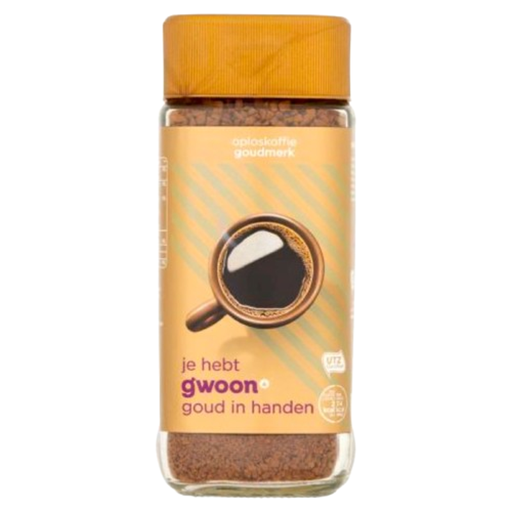
Why this fits the profile: A 200g jar is practical for daily use at home or in the office. The coffee contains no added sugar, and you decide how much to use per cup.
The product description states the composition of 97% instant coffee and 3% roasted and ground Robusta, rather than a pre-sweetened mix.
200g content, no added sugar according to the product description, and suitable for preparation without a coffee machine.

Why this fits the profile: Anyone after a black coffee with a mild aroma gets a jar containing only instant coffee, with a clear Arabica positioning in the product description.
The ingredients list states only instant coffee. So there are no hidden sugar or creamer components in the stated composition.
200g content, Arabica coffee according to the product information, and a preparation where you add your own milk or sugar.
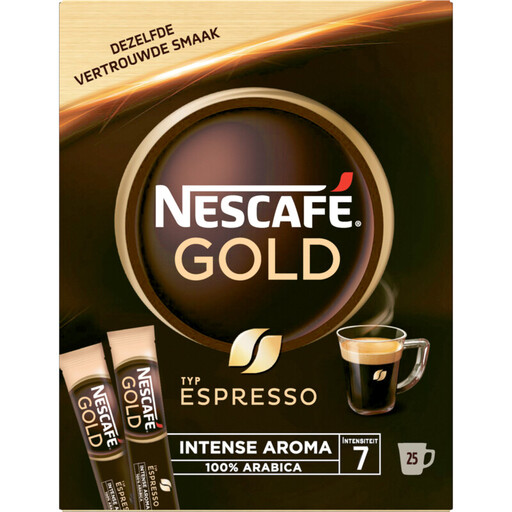
Why this fits the profile: These espresso sticks are designed for a small, strong brew with around 60 ml of hot water. Handy for coffee on the go or a fixed portion in the office.
The portion size and brewing amount are clearly stated. That means you don't have to guess the dosage.
25 individual portions, 100% selected Arabica according to the product description, and no coffee machine needed.
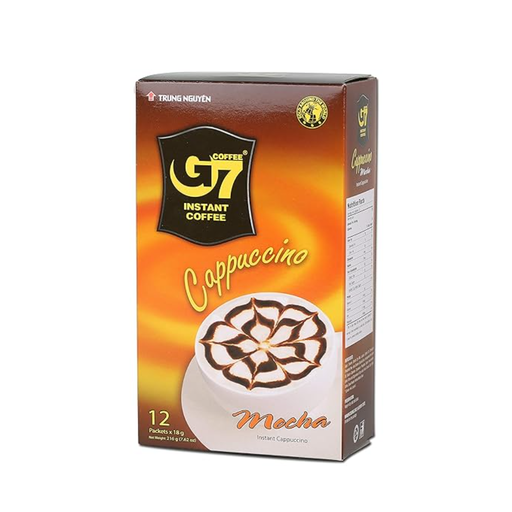
Why this fits the profile: The cappuccino mocha flavour is aimed at anyone who wants a smooth, creamy coffee without measuring out milk and sugar separately.
The 18g portions make the size per serving clear. Do check the current brewing instructions and ingredients on the packaging.
12 individual portions and a mocha profile. According to the product information, it contains none of the 14 main EU allergens; if in doubt, check the physical label.
We've put together a full, up-to-date list of products that fully meet these strict selection criteria and current European safety regulations.
Put the recommended amount of instant coffee in a mug and add hot water. Ideally, use the amount stated on the label. A standard jar is often made with one or two teaspoons. For sticks, the volume varies: an espresso stick may need around 60 ml, whereas a 3-in-1 sachet is often intended for 150 ml.
Store the jar tightly sealed in a dry, cool place, away from heat and moisture. The exact best-before date is on the packaging. An opened pack can lose its aroma if moisture gets in. Individual sticks remain practical as long as the sachets are intact.
That depends on the dosage, the size and the type of product. A jar of black instant coffee can be good value for daily use. Coffee sticks offer more convenience, but contain more packaging per portion and can be more expensive per cup. So compare the price per gram or per serving, not just the price of the pack.
