
Vandaag of morgen in huis

Kwaliteit gegarandeerd

Welkomstaanbiedingen ontgrendelen: GRATIS bezorging | Tot 80% korting | Gratis 30 dagen JoyPlus-proefperiode
Download de app
Want to make a quick coffee without a coffee machine, but can't tell the difference between all the jars, sticks and sachets? When it comes to instant coffee, the choice isn't just about taste. The ingredients, portion size, brewing method and price per cup all determine whether a product fits your routine.
Three common pitfalls mean that shoppers in the Netherlands often end up paying too much or buying a product that doesn't suit their daily habits:
With the right checks, you can more easily decide whether you need Arabica instant coffee, black instant coffee, 3-in-1 coffee or a flavoured variety.
For black coffee without milk and sugar, a short ingredients list is usually best. Nescafé Gold Instant Coffee, for example, lists instant coffee as the ingredient and, according to the product description, is made from selected, lightly roasted Arabica coffee beans. The product information also states a nutritional value of 2 kcal per prepared serving of 2 grams.
With 3-in-1 coffee, the ratios are different. Nescafé 3-in-1 Smooth & Rich, according to the label, contains coffee, creamer and sugar. The stated composition includes 53% sugar and 7.6% instant coffee. This makes it handy if you want coffee with milk and sugar in one sachet, but less suitable if you prefer to adjust the sweetness yourself.
Also check for allergens in milk-based varieties. Products such as Douwe Egberts 3-in-1 and Douwe Egberts Indulgence Choco Hazelnut Coffee Latte list milk as an allergen. Always rely on the packaging label, especially as recipes can change.
Coffee sticks and sachets are convenient for the office, travel or keeping in the car. The amount is fixed, so you don't need to carry a jar, spoon or measuring cup. However, a sachet per cup can be relatively expensive.
For most sticks, a guideline of around 150 ml of hot water applies. Nescafé 3-in-1 recommends one sachet with 150 ml of hot water. Xiang Yue Caramel Macchiato also uses one 22 g serving with 150 ml of water at a minimum of 85 °C. Always follow the instructions on the packaging: too much water makes the flavour weaker, too little makes the drink more concentrated and sweeter.
A 200 g jar is more practical if you drink several cups a day. Douwe Egberts Aroma Rood Instant Coffee, according to the product description, is prepared with one or two teaspoons per mug, giving you the flexibility to adjust the strength yourself.
Arabica instant coffee is often chosen for its milder, aromatic impression, while Robusta generally has a stronger coffee character. This isn't a guarantee of a particular taste experience: the roast, blend and brewing method also play a part.
For black coffee, you might consider:
For a softer, sweeter coffee drink, cappuccino instant coffee, latte instant coffee and flavoured instant coffee are more suitable. Bear in mind that these varieties often contain extra sugar, creamer or milk ingredients.
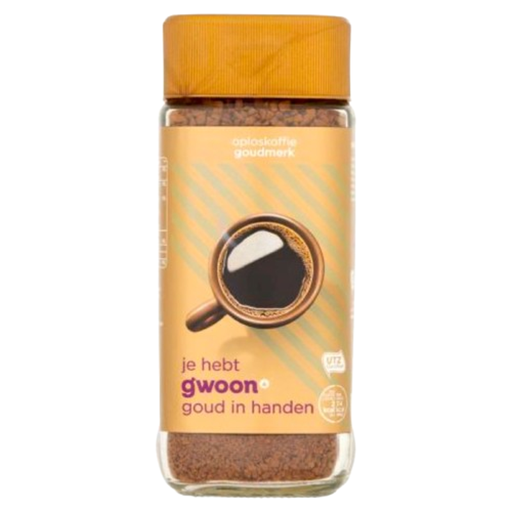
Why this fits the profile: A 200 g jar is practical for home or the office and lets you decide the amount per cup yourself.
The product information states 97% instant coffee and 3% roasted and ground coffee, with no added sugar or artificial flavourings.
200 g pack; intended for black coffee; ingredients and preparation method are easy to check.

Why this fits the profile: Ideal for anyone looking for a jar of Arabica instant coffee with a milder flavour profile and a rich aroma.
The product description specifies selected lightly roasted Arabica beans and lists instant coffee as the ingredient.
200 g content; 2 g as the stated serving; none of the 14 major EU allergens according to the product information.
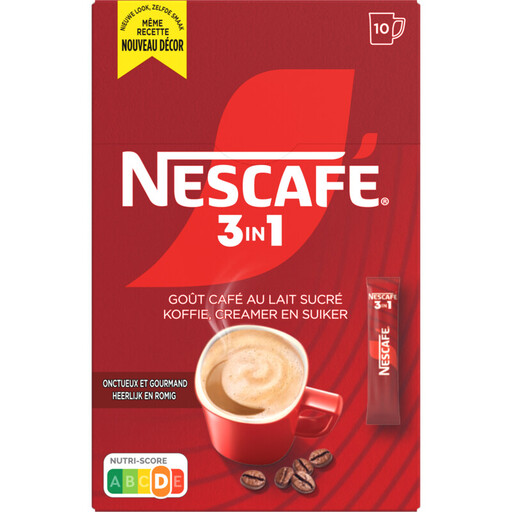
Why this fits the profile: Handy for anyone who wants to make a quick coffee with milk and sugar at work, on the go or at home.
The fixed portion removes any guesswork. The packaging clearly states 150 ml of hot water per sachet and lists milk as an allergen.
10 individual sachets; coffee, creamer and sugar combined; no coffee machine needed.
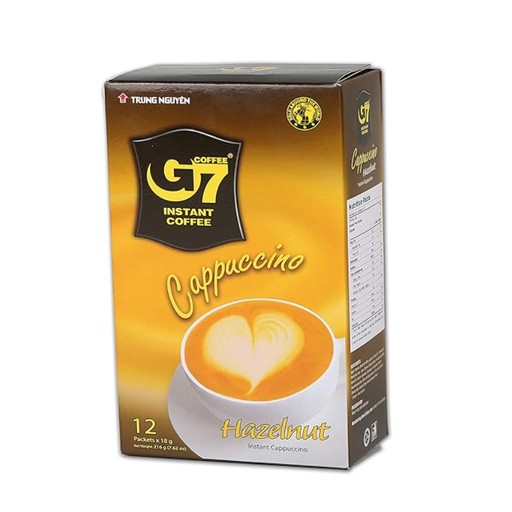
Why this fits the profile: A box of 12 portions is ideal for anyone who wants to serve cappuccino instant coffee with a hazelnut accent without any extra equipment.
The portions are individually wrapped. Do check the current ingredients list and preparation instructions on the packaging before buying.
12 sticks of 18 g; cappuccino with hazelnut flavour; easy to take with you.
We've put together a full, up-to-date list of products that fully meet these strict selection criteria and comply with current European safety regulations.
Put the recommended amount of instant coffee or one sachet into a mug. Add the amount of hot water stated on the packaging and stir until the powder has completely dissolved. For sticks, this is usually around 150 ml; jars may recommend one or two teaspoons per mug.
Store instant coffee in a cool, dry place, away from direct sunlight and sources of heat and moisture. Seal an opened jar or bag tightly. Always check the best-before information on the packaging. Do not use a product if the packaging is damaged.
That depends on the portion size, packaging and any offers. A jar can work out cheaper per cup if you drink several cups a day. Coffee sachets and sticks offer more convenience, but contain a fixed portion and can therefore be more expensive per cup. So compare the price with the net weight or the number of servings.
