
Vandaag of morgen in huis

Kwaliteit gegarandeerd

Welkomstaanbiedingen ontgrendelen: GRATIS bezorging | Tot 80% korting | Gratis 30 dagen JoyPlus-proefperiode
Download de app
Choosing a hydrating face cream might seem straightforward, but the sheer range of options makes comparison tricky. A light gel, a rich cream or a Korean moisturiser can all be touted as the solution for dry skin. Yet the packaging doesn’t always tell you enough about the texture, ingredients or suitability for your skin.
Pay particular attention to three common pitfalls:
A good facial moisturiser often contains several types of ingredients that work together to leave your skin feeling comfortable. Glycerin, betaine and hyaluronic acid are used as humectants. They appear in products such as The Ordinary Natural Moisturising Factors + HA, Hyaluronic Acid Intensive Cream and Isntree Hyaluronic Acid Moist Cream.
For dry skin, emollient and occlusive ingredients are also relevant, such as squalane, shea butter, oils, fatty acids and silicones. These can help lock in that hydrated feeling for longer. A skin barrier cream often also contains ceramides, cholesterol and phytosphingosine. The Ceramide Skin Barrier Moisturiser lists multiple ceramides, cholesterol, panthenol and various forms of hyaluronic acid in its ingredients list.
The order on the INCI list gives an indication of the composition, but not automatically of how it will work on your skin. Also check whether you want to avoid any known allergens.
A gel cream usually feels lighter and works well for normal, combination or dehydrated skin. A fuller cream may be more suitable for dry skin, cold winds or dry, heated indoor spaces.
Do you have sensitive skin? Don’t choose based solely on the word “soothing”. Check whether the formula contains perfume, essential oils or known fragrance allergens. Dear, Klairs Rich Moist Soothing Cream, for example, contains lemon, lavender, orange, geranium and eucalyptus oil. The product information warns that these ingredients may cause an allergic reaction in some users.
Medicube Salmon DNA PDRN Pink Hyaluronic Moisturizing Cream lists fragrance in its ingredients. That doesn’t automatically make the cream unsuitable, but it is something to consider if you prefer to avoid perfume.
Don’t just compare the price – also compare the volume in millilitres or grams and the recommended amount per use. A 100 ml pot might seem good value, while a smaller size is better if you want to test how your skin reacts first.
When you receive your product, always check:
Cosmetics sold in the EU must have the required product information in line with current European cosmetics regulations. The physical packaging is ultimately the most up-to-date source when ingredients or contact details change between batches.
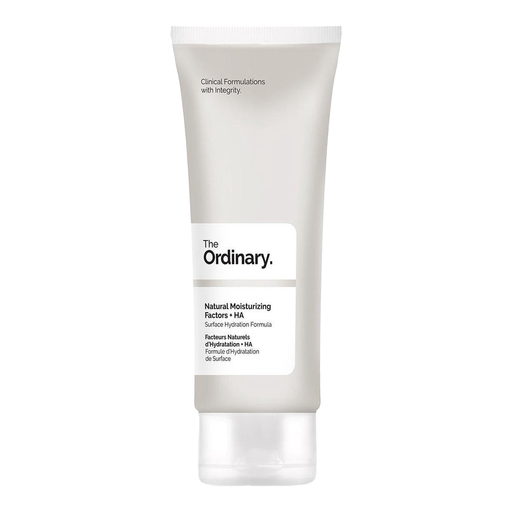
Why this fits the profile: The dispenser contains 100 ml and the formula is described as non-greasy in the product information. This makes it a practical face cream for anyone looking for a simple daily moisturiser.
The formula lists amino acids, fatty acids and hyaluronic acid, among others. So you’re not choosing based on a single marketing term alone.
100 ml, non-greasy formula and hyaluronic acid according to the product data.
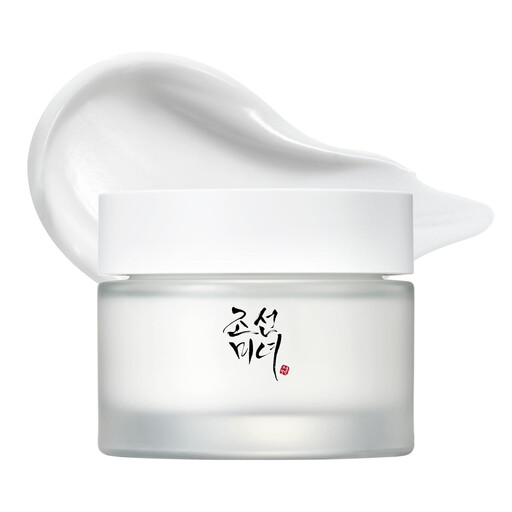
Why this fits the profile: This Korean face cream has a rich, creamy texture and lists glycerin, niacinamide, panthenol, sodium hyaluronate and plant extracts, among others.
The product choice can be verified through the listed ingredients and 50 ml volume, rather than relying on terms like radiant or firming.
Creamy texture, niacinamide and hyaluronic acid according to the ingredients list.

Why this fits the profile: This cream is formulated for users who specifically look for a skin barrier cream and a fuller daily care product.
The ingredients list includes multiple ceramides, cholesterol and hyaluronic acid. This allows you to compare the formula directly with other products.
80 ml, multiple ceramides and a hypoallergenic, non-comedogenic claim according to the product information.
Apply the cream after cleansing, and use a serum or toner first if you wish. Start with a small amount and spread it evenly over your face and neck. During the day, a sunscreen with appropriate SPF is part of a complete routine; a regular face cream does not replace sun protection.
If you have sensitive skin, a patch test is wise. Apply a small amount to a limited area of skin and wait to see how your skin reacts. Stop using it if irritation occurs and follow the warnings on the packaging.
We’ve put together a full, up-to-date list of products that fully meet these strict selection criteria and comply with current European safety regulations.
You can usually use a moisturiser once or twice a day, depending on your skin type and the instructions on the packaging. Dry skin may benefit from use in the morning and evening. Oily skin may only need a thinner layer, especially during the day.
This varies by product. Look at the jar symbol, for example 6M or 12M, and the expiry information on the packaging. Store the cream in a cool, dry place away from direct sunlight. Close a pot or dispenser properly after use.
Hyaluronic acid appears in many formulas for normal, dry, sensitive and dehydrated skin. However, suitability depends on the full formulation and your personal reaction. So also check for perfume, oils, preservatives and other ingredients before using a new cream daily.
