
Vandaag of morgen in huis

Kwaliteit gegarandeerd

Welkomstaanbiedingen ontgrendelen: GRATIS bezorging | Tot 80% korting | Gratis 30 dagen JoyPlus-proefperiode
Download de app
Dry hair, an oily scalp, frizzy curls or hair made brittle by colouring and heat: one product is not right for every situation. Yet many hair care products are sold with broad promises such as “repair”, “more volume” or “hair growth”. The right choice therefore starts not with the packaging, but with your hair type, scalp and preferred time of use.
Words such as “repairing”, “against hair loss” and “stimulates hair growth” sound clear, but they do not automatically tell you what to expect in practice. Shampoo mainly cleanses the scalp and hair. Hair oil or a hair mask can make the hair’s surface feel smoother, but it does not permanently change damaged hair fibres.
Therefore, check:
A brand’s own research may report certain results, but such claims are not a guarantee for every user. What is more, cosmetic hair care is not a substitute for professional medical advice in cases of persistent or sudden hair loss.
A formula containing botanical oils, rosemary, coconut oil or shea butter may be appealing if you prefer natural hair care. However, natural fragrances and plant extracts can also cause irritation. Look out for allergens, perfume and essential oils, particularly if you have a sensitive scalp.
A product with only a few ingredients is not automatically milder. Check the full ingredients list and follow the warnings on the packaging.
A large bottle of shampoo may seem like good value, but a formula for dry hair can weigh down an oily scalp. Conversely, a strongly cleansing shampoo for an oily scalp may feel uncomfortable on dry or curly hair. A hair mask is also generally not intended for daily use.
So do not compare millilitres alone. Also consider:
An oily scalp needs a different cleansing routine from dry hair. For dry hair, it is worth comparing shampoos with conditioning ingredients such as glycerine, shea butter or plant oils. With hair care for dry hair, a conditioner and hair mask for the lengths can be particularly practical.
For an oily scalp, check the stated application and consider choosing a lighter formula. For example, the Roy Hair Strength Expert Care Shampoo for Oily Scalp 400 ml states that it is intended for an oily scalp and, according to the product information, contains ginseng extract among other ingredients. The ingredients list also includes sulphate-type cleansers and perfume. This makes it important to take your own tolerance into account.
Sulphates can provide thorough cleansing, but some people find that they feel drying. Silicones can make hair appear smoother and help with detangling, but they do not suit every hair care routine. There is no universally right choice.
The Andrelon Pro Nature Shea Shampoo - 400 ml states 0% sulphates and silicones and 94% ingredients of natural origin. According to the product details, the Andrelon Pro Nature Coconut Shampoo - 400 ml is aimed at curly hair and also states 0% sulphates and silicones. Always check the label, as formulas may change.
When using heat, hair oil is not automatically a complete heat protectant. According to the product description, the Peptide 132 Hair Bonding Oil Serum states that it is not a substitute for a special high-temperature protection spray.
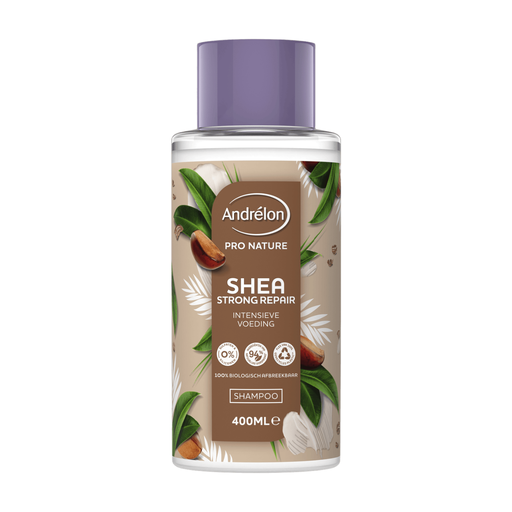
Why it suits this profile: An everyday shampoo for adults who want to try a conditioning formula for hair that feels dry or damaged without buying several products straight away.
The product details clearly state 400 ml, shea butter, 0% sulphates and silicones, and 94% ingredients of natural origin.
400 ml capacity; vegan according to the product information; intended to nourish and condition.
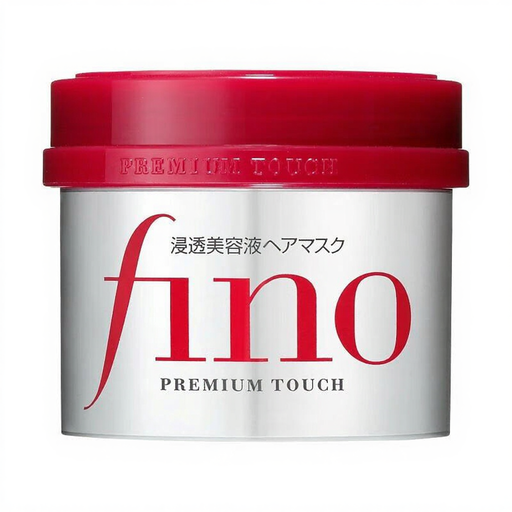
Why it suits this profile: For anyone who wants targeted care for dry, frizzy or dull hair with a separate hair mask alongside their regular conditioner.
The instructions recommend using it once or twice a week rather than every day.
230 ml capacity; intended for all hair types; product information states that it can be used for frizzy and dull hair.
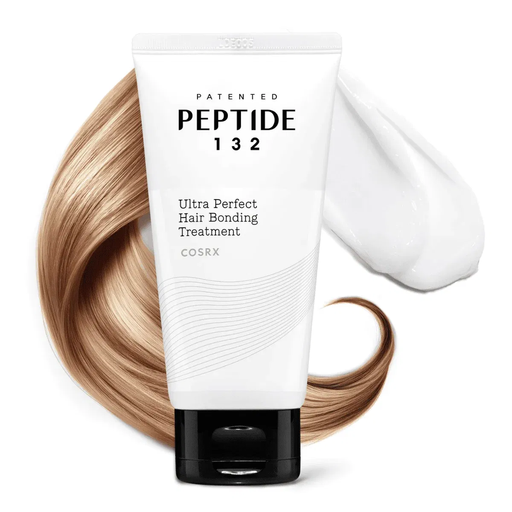
Why it suits this profile: A choice for damaged lengths when you want to use a more intensive hair treatment after washing.
The instructions are specific: apply after shampooing to the mid-lengths and ends, then rinse thoroughly.
120 ml capacity; according to the ingredients list, it contains glycerine, oils, ceramides and Tripeptide-132 HCl, among other ingredients.
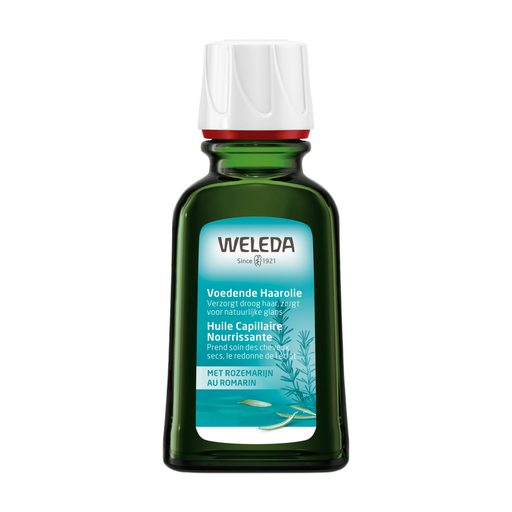
Why it suits this profile: Suitable for anyone looking for an oil for dry ends or a pre-wash treatment who values plant-based ingredients.
The product description mentions pre-wash use and application to dry or towel-dried hair. Check the ingredients if you are sensitive to fragrances.
50 ml capacity; natural ingredients according to the product information; can be used on the ends and for scalp massage.
We have put together a complete, up-to-date list of products that fully meet these strict selection criteria and the applicable European safety regulations.
Start with a gentle shampoo, then apply conditioner to the lengths. A hair mask once or twice a week can be a useful additional step. Hair oil or a leave-in cream is particularly practical for dry ends and frizz. Use small amounts to prevent your hair from feeling weighed down.
That depends on the formula and the condition of your hair. Follow the packaging instructions; the Shiseido Fino Premium Touch Hair Mask recommends using it once or twice a week. Do not automatically replace your conditioner at every wash with this product unless the instructions say to do so.
No. Anti-hair-loss shampoo is a cosmetic product that cleanses the scalp and may condition the hair according to the product description. Results vary from person to person, and shampoo does not automatically treat the cause of hair loss. In cases of sudden, severe or prolonged hair loss, it is advisable to consult your GP or another healthcare professional.
