
Vandaag of morgen in huis

Kwaliteit gegarandeerd

Welkomstaanbiedingen ontgrendelen: GRATIS bezorging | Tot 80% korting | Gratis 30 dagen JoyPlus-proefperiode
Download de app
When you buy grains and grain products online, you often see terms like “wholemeal”, “natural”, “high in fibre” and “premium”. These words don’t always tell you enough about what’s actually inside the pack. A smart choice starts with the ingredients list, nutritional values, allergens and the pack size.
This is especially important for families, people looking for bulk packs, and shoppers who like to switch between breakfast cereals, porridge oats, rice, quinoa, bulgur, wholemeal bread and wraps.
A product with several types of grain can still be made mostly from refined flour. So check whether the ingredients list names wholemeal wheat flour, wholemeal oats or another whole grain as the first ingredient.
With bread, this makes a difference to the nutritional values. For example, Lekhaven Multigrain Country Bread contains wheat flour, sunflower seeds, linseed and sesame. Lekhaven Whole Wheat Country Bread, on the other hand, lists wholemeal wheat flour and wheat bran. The two products therefore have different fibre values: 2.9g and 5.9g per 100g respectively, according to the product information supplied.
Don’t just look at pictures of fruit, nuts or grains on the front. Check the table for sugars, fibre, fats and salt. According to the product information, Kellogg’s Tresor Chocolate Hazelnut contains 26g of sugar and 3.6g of fibre per 100g. That makes it more of a sweet breakfast choice than a simple base like porridge oats.
Instant breakfast products can also contain added sugar, creamer or glucose. The Family products with grains, fruit or purple sweet potato contain sugar, creamer and individual sachets of pure glucose, among other things. If you’re mainly looking for a simple grain product, it’s better to compare the ingredients and the content per serving carefully.
A 4.5kg bag of rice or 10kg of flour has a low price per kilo if you use it regularly. But if you don’t use it much, freshness, storage space and shelf life can be more important. Store dry grains in a well-sealed container, in a cool, dry place away from direct sunlight.
With fresh or part-baked bread, storage matters even more. According to the product information, Lekhaven bread needs to be defrosted before baking and then baked for 11 to 13 minutes at 220°C in a fan oven. So bear in mind the preparation time and freezer space needed.
Look out for specific details such as:
According to the product information, Quaker Oatmeal is made from 100% wholemeal oats. Brinta Whole Wheat Cereal lists 100% wholemeal wheat and contains 10g of fibre per 100g. These are verifiable facts that tell you more than a general claim on the front.
It’s best to compare nutritional values per 100g. That way, different packs remain comparable. Examples from the range:
A high-fibre choice isn’t automatically right for every meal. White jasmine rice, for example, might be preferred for its soft texture and aroma in Asian dishes. Also consider the amount you actually use per person.
Wheat, barley, oats, soya, milk, nuts and sesame are common in grains and grain products. Always check the current packaging, especially if you have allergies or coeliac disease. Product information can change, and the packaging is what counts.
Also pay attention to how you’ll use it:
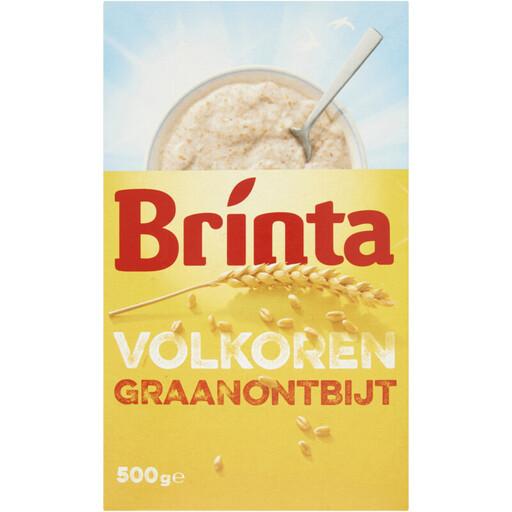
Why this suits the profile: A familiar breakfast choice with a 500g pack and a short ingredients list.
The description states 100% wholemeal wheat and 10g of fibre per 100g, rather than just a general multigrain claim.
14 servings, 347 kcal and 10g of fibre per 100g according to the label.
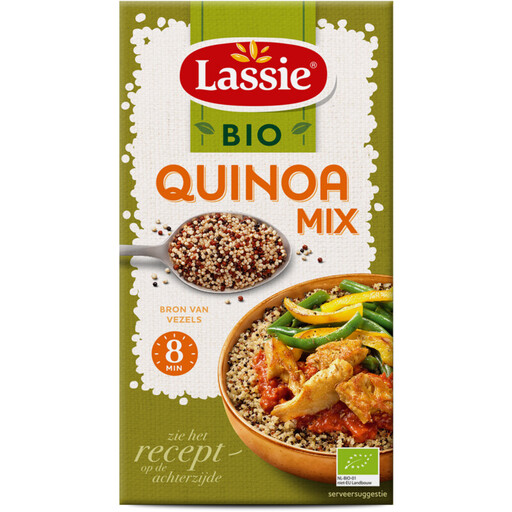
Why this suits the profile: Ideal if you want organic quinoa in several colours for salads, bowls and warm dishes.
The product information lists organic quinoa and states the nutritional values per 100g, so you don’t have to rely on the packaging alone.
275g, 7.3g of fibre and 11.7g of protein per 100g according to the product data.
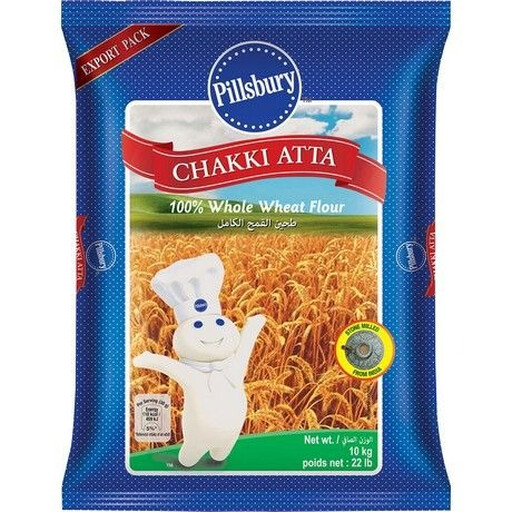
Why this suits the profile: A bulk pack for households that regularly make chapati, roti, paratha or other flatbreads.
The ingredients list states wholemeal wheat flour as the base. Just check your storage space and the shelf life before buying 10kg.
100% wholemeal wheat flour, 12g of fibre and 12g of protein per 100g according to the product description.
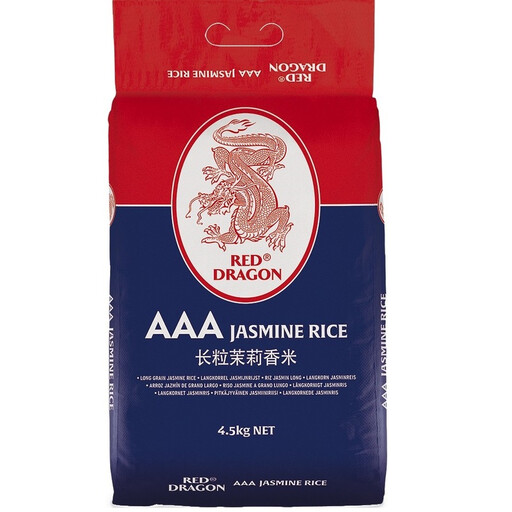
Why this suits the profile: The large bag suits families who often cook rice, curries, stir-fries or rice bowls.
The packaging states 100% Cambodian jasmine rice and 4.5kg, so the grain type, origin and quantity are all clear.
Long grain, 4.5kg content and, according to the product information, 0g of salt per 100g.
We’ve put together a full, up-to-date list of products that fully meet these strict selection criteria and comply with current European safety regulations.
This includes wheat, oats, rice, barley, quinoa and bulgur, as well as products made from them. Think of porridge oats, breakfast cereals, wholemeal flour, bread, wraps, chapati atta and flatbread.
Not always to the same extent, but wholemeal flour generally contains more parts of the grain kernel than refined flour. Compare the fibre value per 100g and check that “wholemeal” actually appears in the ingredients list.
Store dry products in a cool, dry place away from direct sunlight. Seal the pack well after opening. For large bags of rice or flour, an airtight storage container is practical. Always check the specific storage and best-before instructions on the packaging for bread, wraps and part-baked products.
