
Vandaag of morgen in huis

Kwaliteit gegarandeerd

Welkomstaanbiedingen ontgrendelen: GRATIS bezorging | Tot 80% korting | Gratis 30 dagen JoyPlus-proefperiode
Download de app
Buying a pair of glasses might seem straightforward, until you have to choose between strengths, frames, filters and smart features. A cheap pair of reading glasses can be fine for short texts, but can become unsuitable when the strength doesn't match your eyes or working distance. With sunglasses and smart glasses too, marketing claims aren't always enough to help you make a good choice.
The main pitfalls are:
Reading glasses are designed for close-up work, for example reading a book, newspaper, doing paperwork or handicrafts. The designation 200D usually stands for +2.00, while 250D and 300D correspond to +2.50 and +3.00. A 350D model offers higher magnification for smaller text.
Do not use reading glasses while driving or operating heavy machinery. The product information for the reading glasses mentioned explicitly states that they are not safety glasses or protective eyewear. If you experience persistent headaches, eye strain or blurred vision, it is advisable to consult an optician or eye care professional.
A half-frame reading glasses gives an open view downwards and can be practical when you are alternating between reading and looking at your surroundings. A rimless reading glasses has less material around the lenses and can feel lightweight. Do check the dimensions: the rimless 3.00 model measures approximately 14 cm in width, 5.8 cm in height and 3.3 cm in depth.
A unisex reading glasses is primarily a description of the design, not a guarantee that it will suit every face shape. Pay attention to the width of the frame, the position of the lenses and whether the arms pinch. A protective case and microfibre cloth help to prevent scratches.
With a pair of polarised sunglasses, it is important to check whether the product description actually mentions polarisation and UV protection. According to the product specifications, the Xiaomi Fitover sunglasses are designed to be worn over prescription glasses and mention a polarised plastic lens and UV protection.
For screen use, computer glasses with a blue-light filter might seem appealing. However, see the filter as a product specification, not a medical solution. With smart glasses, other things are more important: connection via Bluetooth or Wi-Fi, compatibility with Android and iOS, charging time, weight, controls and privacy. A pair of glasses with a camera also requires extra attention to your surroundings and local privacy regulations.
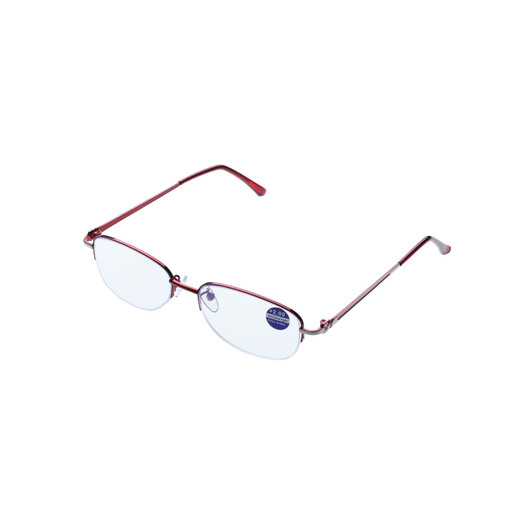
Why this fits the profile: These half-frame reading glasses with +2.00 are a simple option for reading and close-up work in the office and at home. According to the product name, the design is unisex.
The strength and half-frame are clearly stated. This means you know what the glasses are intended for, rather than just going by the appearance.
+2.00 strength, half-frame and a simple red design for everyday use.
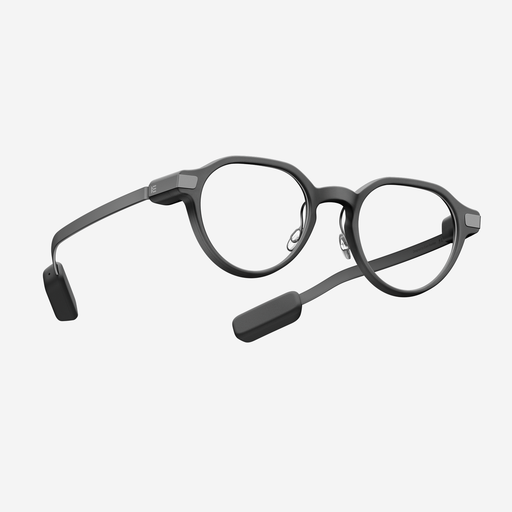
Why this fits the profile: These smart glasses are aimed at discreet everyday use, with a camera-free design, display, navigation, notifications and translation according to the product description.
The camera-free version makes the privacy choice concrete. Do check in advance which features are available in the app and on your smartphone.
36 grams, camera-free design and, according to the product information, up to two days of regular use per charge.

Why this fits the profile: These sunglasses for wearing over glasses are designed for outdoor use, for example cycling, walking or travelling in the UK.
The 'fitover' function is specifically stated, so you don't have to guess whether the frame will fit over your regular glasses.
Polarised lenses, plastic frame and, according to the specifications, UV protection.
If you are mainly looking for technology, you could consider an AR glasses such as the XREAL One Pro M or the XBX A01+ for a large virtual screen for films and games. Always check the connection, such as USB-C DisplayPort, the support from your phone or laptop and the fit.
A Bluetooth glasses, AI glasses or translation glasses from Verbex mentions features such as music, calling, voice control, photos, object recognition and ChatGPT integration. According to the product description, these models depend on an app and an Android or iOS connection. The translation languages and usage time mentioned are product claims from the brand; therefore, check the current manual, app support and terms and conditions before purchasing. Cameras and microphones can also have implications for the privacy of those around you.
We have compiled a complete, up-to-date list of products that fully meet these strict selection criteria and comply with current European safety regulations.
That depends on your reading distance, eye strength and comfort. A +2.00 reading glasses is a common choice for close-up work, while 2.50 reading glasses, 3.00 reading glasses or 350D offer more magnification. Do not automatically choose the highest strength. If possible, test different strengths or ask an optician for advice.
The lifespan depends on daily use, cleaning and storage. Store the glasses in a case, clean the lenses with a soft microfibre cloth and bend the arms carefully. Replace the glasses when the lenses are heavily scratched, the frame is crooked or reading is no longer comfortable.
Reading glasses are primarily intended for a fixed short distance. For a computer screen, computer glasses with a blue-light filter or a different working distance may be more practical. Check the specific product specifications and do not expect a medical effect from a filter. For persistent complaints, personal eye advice is more sensible than simply choosing a different frame.
