Choose a fridge-freezer based on how much space you need to keep berries chilled or freeze them in portions. For berries you plan to eat soon, the Netherlands Nutrition Centre recommends a fridge temperature of 4 °C and keeping them dry. If you’re stocking up, you’ll also need enough freezer space and should set the freezer to at least −18 °C. Then measure the space available and compare the stated energy consumption and noise levels of the models that fit.
Which fridge-freezer is right for you?
Fresh berry fan
You want to put your berries away quickly and keep them dry after an evening class, so they’re ready to eat soon. A well-organised fridge and a suitable storage routine are important; the Netherlands Nutrition Centre recommends keeping berries dry in the fridge.
Freezer stockpiler
Sometimes you buy more berries than you can eat soon and want to freeze some in portions. So check the dedicated freezer space and whether it suits the amount you want to store. The Netherlands Nutrition Centre lists freezing as a storage option for various types of berries.
Buyer with limited kitchen space
You need to fit the appliance into a small kitchen or existing housing space, or you’re mindful of noise in an open-plan living area. Check the dimensions, door system and stated noise level of the specific model.
What should you look for when choosing?
Start with how you store berries and the space available. The Netherlands Nutrition Centre recommends 4 °C for the fridge and at least −18 °C for freezing. The European Commission says the EU energy label includes details such as a model’s energy consumption, capacity and noise level.
| What to consider |
What to look for when buying |
Who should pay particular attention? |
| Chilling fresh berries |
Check whether you can set the fridge temperature to 4 °C and whether your packaging fits in the fridge without getting damp or crushed. |
I want to store berries to eat within a few days and put them away neatly when I get home. Around 33% of consumers put fresh chilling first. |
| Freezing a stock |
Compare the dedicated freezer capacity and check whether the freezer can be set to at least −18 °C. |
If I regularly want to freeze leftovers in small portions, usable freezer space matters more than the total capacity alone. Around 27% of consumers put freezing first. |
| Dimensions and noise |
Measure the available space, housing and doorway; if you have an open-plan kitchen, compare the stated noise level too. |
In a small kitchen or open-plan living area, I want to know in advance whether the appliance will fit and what noise level is stated. Around 20% of consumers prioritise where the appliance will go or how noisy it is. |
| Energy consumption and capacity |
Compare the stated kWh consumption with the fridge and freezer capacities of the exact model; don’t choose a larger capacity than you need. |
I want enough space without unnecessary capacity and take the stated energy consumption into account. Around 20% of consumers prioritise energy consumption and running costs. |
Fridge-freezer buying pitfalls
-
Assuming a freshness feature will keep berries fresh for longer
A special drawer or feature isn’t an independent storage test. The Netherlands Nutrition Centre’s advice emphasises that berries should be kept dry.
Start with the temperature, layout and your storage routine. Then assess any extra drawer based on what the manufacturer says about the specific model.
-
Looking only at total capacity or the energy label rating
Fridge and freezer capacities are listed separately. A large total capacity doesn’t tell you how much space you have for berries in the fridge or freezer.
Compare the capacity in litres of both compartments and the stated kWh consumption of each model. Milieu Centraal recommends choosing a suitable size, and the European Commission explains the information on the energy label.
-
Assuming an integrated model will automatically fit
An integrated model needs to suit the housing space, ventilation requirements and required door system. Checking the appliance height alone won’t confirm that it fits.
Measure the housing space and delivery route, and check the installation requirements for your chosen model. Also ask how the take-back of an old, similar appliance is arranged when your new one is delivered.
Brands to compare
Compare features model by model and consider how useful they’ll be in your kitchen; a brand name alone doesn’t tell you how berries will be stored.
Bosch
The range includes freestanding and integrated fridge-freezers; compare the layout and stated specifications of each model.
- Bosch Netherlands lists 193 litres of fridge space and 89 litres of freezer space for the KGN33NLEB.
- These model specifications aren’t an independent assessment of how well the appliance keeps berries.
Beko
Beko offers fridge-freezers with a range of features and layouts.
- Beko lists No Frost and HarvestFresh for the B5RCNE366HXB1.
- Treat these as product features, not proof that berries will stay fresh for longer.
LG
The range includes models with different capacities and drawer features designed for fruit and vegetables.
- LG lists a total capacity of 375 litres and a Fresh Balancer feature for the GBBS525CPY.
- Total capacity doesn’t prove that the appliance will fit in your available kitchen space; check the external dimensions.
Liebherr
Some freestanding models have separate freshness compartments.
- For the CBNdgc 5733 Plus BioFresh NoFrost, Liebherr lists a Fruit & Vegetable compartment with higher humidity.
- This product feature doesn’t replace the advice to keep berries dry and isn’t an independent assessment of how long they’ll keep.
Samsung
The range also includes integrated models with different door systems.
- Samsung Netherlands lists the BRB70F26DES0EF as a sliding-hinge model with a capacity of 267 litres and No Frost.
- Check the housing space and door fixings; the stated cooling benefits are the manufacturer’s product claims.
Joybuy products for chilling and freezing
This selection ranges from compact fridge-freezers to larger freestanding combinations with separately stated fridge and freezer space. Compare the stated capacities and dimensions with what you want to store and the space in your kitchen.
 No image available
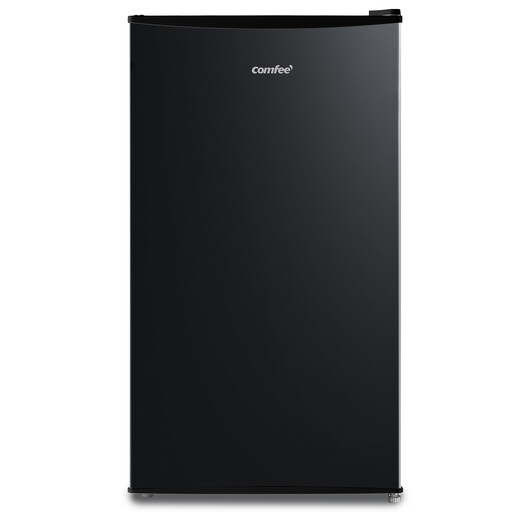
Comfee RCD115DK2 fridge-freezer, 80 L
A compact option if you want to keep berries chilled and occasionally freeze a small portion.
The product title lists 68 L of fridge space and a 12 L freezer compartment with a 4-star rating. The freezer compartment temperature range is −18 °C to −8 °C; the stated height is 84,5 cm and the door is reversible.
The 12 L freezer compartment is limited if you regularly want to store larger portions.
View at Joybuy
 No image available
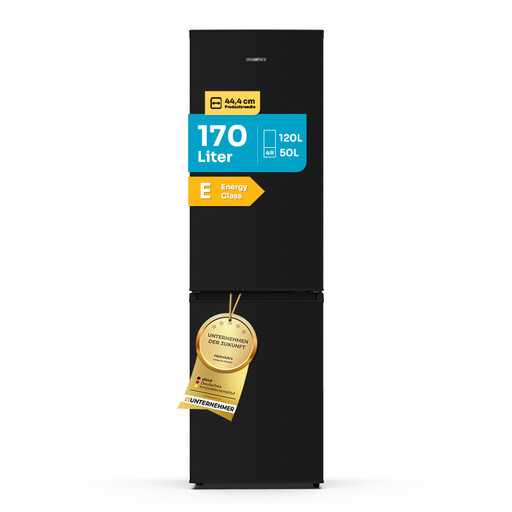
Heinrich's fridge-freezer, 170 L
A good fit if you’re looking for more space for chilled berries and portions in the freezer.
The product title lists 120 L of fridge space, 50 L of freezer space and a 4-star freezer compartment suitable for ≤ −18 °C. It also lists energy class E and 40 dB.
View at Joybuy
 No image available
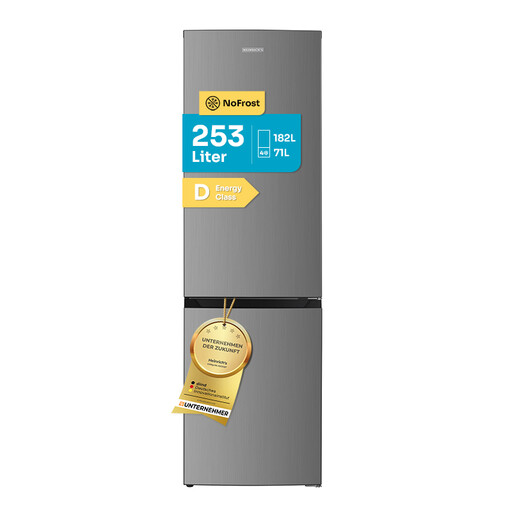
Heinrich's fridge-freezer, 253 L
A larger capacity could be a good fit if you want to keep berries chilled as well as freeze a bigger stock.
The product title lists 182 L of fridge space, 71 L of freezer space, No Frost and energy class E. The stated noise level is 39 dB.
View at Joybuy
 No image available
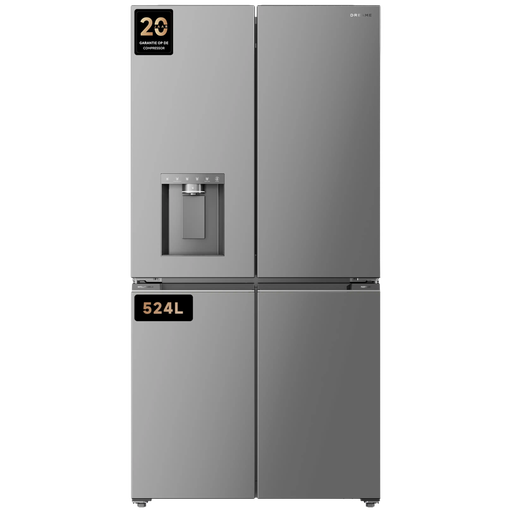
Dreame FizzFreshCube 90 DRC560WMXEEUP, 524 L
A model with a large total capacity for anyone looking for plenty of space to chill and freeze berries.
The product title lists a total capacity of 524 L, four doors, No Frost and energy class E. Check the stated external dimensions and the required ventilation and access space before choosing.
The stated dimensions are 91,1 × 69,3 × 183 cm.
View at Joybuy
 No image available
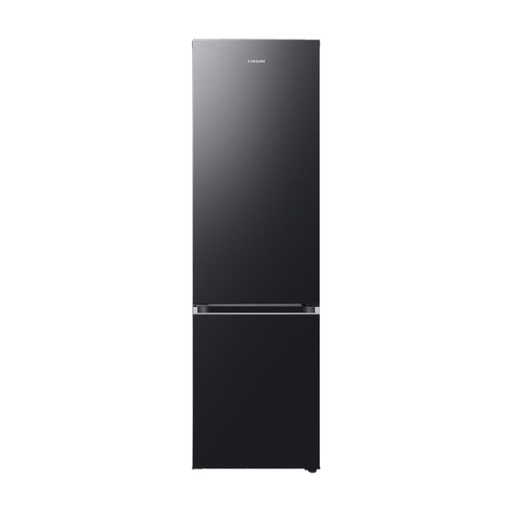
Samsung RB38C607AB1/EF fridge-freezer
An option if you want to keep berries chilled and need freezer space too.
The product title lists energy class A, 108 kWh and a height of 2030 mm. Check that it will fit in the space available.
View at Joybuy
Frequently asked questions
Where should you put fresh berries when you get home after class?
Keep them in the fridge and make sure they don’t get damp. The Netherlands Nutrition Centre recommends storing strawberries in a sealed container in the salad drawer, raspberries in their original packaging or a paper bag, and blueberries in a paper bag. Set your fridge to 4 °C.
When should you use the freezer for berries?
If you won’t be eating the berries fresh soon, you can freeze them in a sealed container or freezer bag, following the storage advice for that type of berry. The Netherlands Nutrition Centre recommends setting your freezer to at least −18 °C and freezing berries in small portions.
What should you check before installing an integrated model?
Measure the housing space and delivery route, and check which door system suits your kitchen. Follow the installation and ventilation requirements for your chosen model too; the stated appliance height alone won’t confirm that it fits.
What information is shown on a fridge-freezer’s energy label?
According to the European Commission, the scale for household fridges and freezers has run from A to G since 1 March 2021. The label includes details such as annual energy consumption, separate capacities and noise level; compare the information for the exact model.
Can an old fridge be taken away free of charge when you buy a new one?
According to the Dutch government, when you buy a similar appliance, the retailer must take back an old fridge from a private customer free of charge under the old-for-new scheme. This also applies to online purchases and delivery; ask how the collection will be arranged with your delivery.


