For a school fair, choose a chocolate product with a Fairtrade label on the packaging if you want to be able to explain your choice. Don’t assume that loose aniseed sprinkles are Fairtrade-certified too. You can still use them as decoration, but make a note of the ingredients in each treat and give visitors allergen information. Leaving out the sprinkles means losing the distinctive finishing touch, but you won’t need to make a separate claim about that topping.
Who needs to make this choice?
Organisers who want to identify Fairtrade ingredients
If you want to explain at the fair which ingredients are Fairtrade, it helps to have a clear label on the packaging of the chocolate or chocolate sprinkles you choose. That label doesn’t automatically apply to aniseed sprinkles bought separately.
School teams preparing allergen information
Volunteers selling homemade cupcakes, biscuits or other unpackaged treats should keep a record of the ingredients in every recipe and topping. The Netherlands Nutrition Centre also recommends checking in advance whether any children have allergies or specific dietary requirements.
Bakers decorating lots of portions
If you want to give several bakes a distinctive finish with aniseed sprinkles, you can use them as decoration and choose a Fairtrade chocolate product separately. An extra topping does mean one more ingredient to include in the information you give visitors.
What should you look for?
First, check which Fairtrade label appears on the exact product packaging. Then decide whether aniseed sprinkles are right for your treat, and record the allergen information for every recipe.
| What to consider |
What to check when buying |
Who it matters to |
| Fairtrade label |
Check the label on the exact chocolate or chocolate sprinkles, and distinguish that product from separately purchased aniseed sprinkles. |
I want to be able to identify which ingredient is Fairtrade without suggesting that the label also applies to the aniseed sprinkles. An estimated 42% of consumers prioritise this check. |
| Allergen information |
Read the packaging for every ingredient and keep a record of the allergens present and any relevant warnings for each unpackaged baked product. |
When selling individual cupcakes, I want to be able to tell visitors which allergens they contain. Around 33% of consumers prioritise this information. |
| Decorating lots of portions |
Choose a topping that suits the bake and the way you plan to decorate it; also compare the pack size with the amount you need. |
If I’m decorating lots of biscuits, I want the topping to be easy to distribute. Around 25% of consumers give quick, festive decoration top priority. |
Common mistakes
-
Assuming a Fairtrade chocolate ingredient makes the aniseed sprinkles Fairtrade too
A label for chocolate, cocoa or chocolate sprinkles says nothing about the certification of aniseed sprinkles you buy separately. This could lead you to make an overly broad claim about the whole treat.
Describe the ingredients separately. For example, call it a treat with aniseed sprinkles and Fairtrade chocolate sprinkles, provided the chocolate sprinkles you choose actually carry that label.
-
Relying on ‘dark’ or ‘vegan’ when checking for allergens
Fairtrade Original states that its dark chocolate sprinkles may contain milk. According to the product information, AH Biologisch’s extra dark bar, labelled as vegan, also carries warnings about the possible presence of allergens.
Check the current packaging for each exact product and include the relevant information on the ingredient card for the bake.
-
Selling unpackaged bakes without allergen information
When visitors buy a homemade cupcake or an individual biscuit, they can’t check the packaging of the ingredients for themselves. The Netherlands Food and Consumer Product Safety Authority states that consumers must also be given allergen information for unpackaged products.
Keep the recipe and packaging to hand for each product, and make sure visitors can get the allergen information before they choose.
-
Checking the school’s arrangements only after you’ve shopped
Your school may have its own rules about treats and how the fair is organised. Allergies or dietary requirements may also affect what you make.
Discuss your plans with the school in advance and ask which rules and dietary requirements are relevant to this fair.
Brands to consider
De Ruijter
Aniseed sprinkles for a distinctive finishing touch on bakes. Jumbo lists 270 g and 330 g varieties; PLUS describes Feestmuisjes as a decoration for cupcakes, cakes and biscuits, among other things.
- Choose from different shapes and colours of aniseed sprinkles to decorate your bakes.
- Don’t assume the aniseed sprinkles are Fairtrade-labelled because you’ve chosen a separate Fairtrade chocolate product.
Fairtrade Original
Offers chocolate sprinkles that can be used as a separate chocolate ingredient alongside aniseed sprinkles.
- According to Fairtrade Original’s product information, its milk chocolate sprinkles contain Fairtrade cocoa and sugar.
- Chocolate sprinkles don’t have the shape or aniseed flavour of aniseed sprinkles. According to Fairtrade Original, its 380 g dark chocolate sprinkles may contain milk.
PLUS huismerk
An option to consider if you’re thinking of choosing own-brand chocolate sprinkles for the chocolate ingredient.
- PLUS says the cocoa in its own-brand products, including chocolate sprinkles, has been Fairtrade-certified since 2020.
- Check the label on the exact product. A statement about own-brand cocoa doesn’t automatically apply to aniseed sprinkles from another brand.
AH Biologisch
The 100 g extra dark chocolate bar is a possible chocolate ingredient for a treat without aniseed sprinkles.
- Albert Heijn labels this bar Fairtrade, organic and vegan, and states that it contains at least 72% cocoa.
- A vegan label isn’t a guarantee that a product is allergen-free. Check the warnings on the current packaging and make sure the bar is suitable for the recipe you have in mind.
A chocolate bar for a treat without aniseed sprinkles
This bar is an option if you’re considering a chocolate treat without aniseed sprinkles. Check the current packaging for the Fairtrade label on this particular variety, and make sure the bar is suitable for the way you plan to make your treat.
 No image available
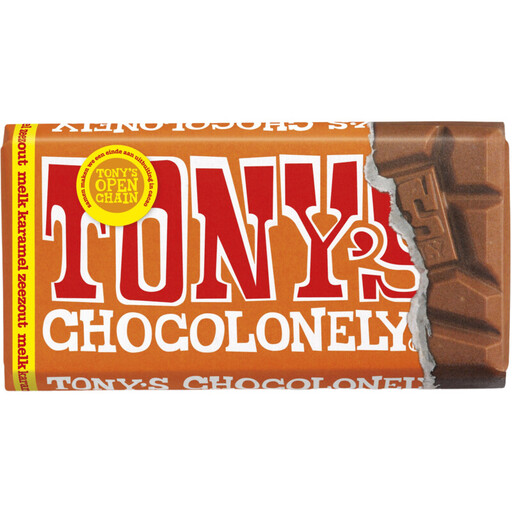
Tony's Chocolonely milk chocolate with caramel and sea salt, 90 g
A chocolate bar for a treat without aniseed sprinkles. Before buying, check that it’s suitable for the recipe you have in mind.
Milk chocolate with caramel and sea salt, 90 g. Check the current packaging for the ingredients and allergen information before use.
View at Joybuy
Frequently asked questions
Can I call a treat with regular aniseed sprinkles Fairtrade?
No, not just because you’ve used Fairtrade chocolate or chocolate sprinkles alongside them. Be specific about which ingredient carries the Fairtrade label. The De Ruijter aniseed sprinkles listed by Jumbo didn’t have a separate Fairtrade label on the category page consulted.
What allergen information should I give for homemade cupcakes or biscuits?
Tell visitors which allergens are present in the complete baked product, including the topping. The Netherlands Food and Consumer Product Safety Authority states that consumers must be given this information in another way for unpackaged products. So keep a record of the ingredients in each recipe and make the information available before visitors choose.
Is dark or vegan chocolate automatically suitable for someone with an allergy?
No. Fairtrade Original states that its dark chocolate sprinkles may contain milk, while the product information for AH Biologisch’s extra dark bar, labelled as vegan, also mentions the possible presence of allergens. Check the current packaging for the exact product rather than relying on the words ‘dark’ or ‘vegan’ alone.
What should I discuss with the school before baking for the fair?
Ask what rules apply to treats and the fair, and whether there are any relevant allergies or dietary requirements. The Netherlands Nutrition Centre recommends checking in advance whether there are certain foods children can’t or don’t want to eat. Then make sure your recipes and the information you give visitors take these into account.


