
Vandaag of morgen in huis

Kwaliteit gegarandeerd

Welkomstaanbiedingen ontgrendelen: GRATIS bezorging | Tot 80% korting | Gratis 30 dagen JoyPlus-proefperiode
Download de app
A facial cleanser might seem like a straightforward product, but the differences between a cleansing foam, cleansing gel and cleansing wipes are significant. A rich layer of lather can feel pleasant, yet your skin may still feel tight after rinsing. A product with “deep cleansing” on the packaging sounds appealing, but that doesn’t automatically mean it’s suitable for daily use.
The main pitfalls when buying a facial cleanser are:
A cleansing gel is usually lightweight and rinsed off with water. This type often suits those looking for a fresh, non-greasy texture. A cleansing foam creates a layer of lather and can be pleasant for normal to oily skin, but the feeling after washing varies depending on the formula.
Do you wear make-up or water-resistant sunscreen? Then a facial cleanser isn’t always sufficient as a first step. Make-up remover wipes or cotton facial tissues can help remove surface residue first. Afterwards, rinse with a facial cleanser. Wipes are not a substitute for washing with water; they can also cause friction if you have to rub firmly.
If you’re looking for a mild facial cleanser, you can look for relatively gentle cleansing agents, such as cocamidopropyl betaine, sodium cocoyl glycinate or sodium lauroyl glutamate. That doesn’t mean every formula with these ingredients is suitable for everyone, but the ingredients list provides more information than a flashy claim on the front.
A low pH facial cleanser is often chosen by people who want a comfortable, non-tight finish. However, check whether the pH is actually stated; “low pH” in the product name alone isn’t a full technical justification.
For a facial cleanser for oily skin, ingredients like salicylic acid, betaine salicylate or absorbent components in the formula may be of interest. These ingredients don’t automatically make a product suitable as a facial cleanser for acne. For persistent skin concerns, advice from a doctor or dermatologist is more appropriate than constantly switching cleansers.
The products in this selection range from 50 ml to 200 ml. A small size is practical for travel or for trying out a formula first. A tube of 150 ml or 200 ml is more convenient if you cleanse daily in the morning and evening.
Always read the warnings on the packaging. The products mentioned are intended for external use only and must not come into contact with the eyes. Stop use if redness, itching or irritation occurs. Products with perfume, tea tree oil, menthol or exfoliating ingredients require extra caution for sensitive skin.

Why this fits the profile: The gel texture and 100 ml size are straightforward for anyone trying a Korean skincare cleanser for the first time.
The product description clearly states it’s a gel cleanser, 100 ml and to be used with lukewarm water. So you know exactly what you’re buying, rather than relying on a vague “glow” claim.
Cleansing gel, 100 ml and an ingredients list including glycerine and mild cleansing agents.
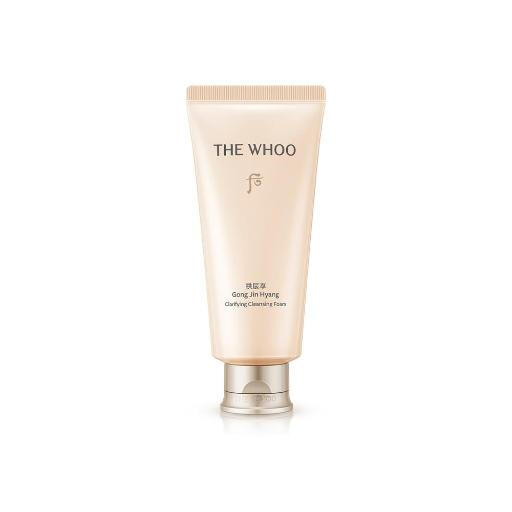
Why this fits the profile: If you value a larger size and a traditional Korean skincare positioning, this cleansing foam at 180 ml fits the bill.
The volume, product type and usage duration are stated. Claims about herbal extracts come from the product description and should not be interpreted as medical efficacy.
Foam cleanser, 180 ml and a usage recommendation of 30 to 60 seconds according to the product information.
Wet your face with lukewarm water and use a small amount of product. Massage without scrubbing hard; washing for longer or more vigorously doesn’t automatically make a formula more effective. Rinse thoroughly and pat your skin dry with a clean towel.
For dry or sensitive skin, cleansing once in the evening is sometimes enough, depending on your routine and how your skin feels. Oily skin may benefit from cleansing in the morning and evening, but stop or reduce the frequency if your skin feels tight or irritated.
A scrub cleanser, such as a product with visible scrub particles, is a different category from a daily gentle face wash. Do not use such a product on damaged or irritated skin and always follow the label.
We’ve put together a full, up-to-date list of products that fully meet these strict selection criteria and comply with current European safety regulations.
For many people, once a day, usually in the evening, is a practical starting point. If you sweat a lot, wear make-up or have oily skin, you may choose to cleanse both morning and evening. Pay attention to how your skin feels and follow the product’s instructions.
A regular cleanser can remove light make-up residue, but not every product is designed for that purpose. For stubborn or water-resistant make-up, first use make-up remover wipes or a suitable remover. Then cleanse again with water and a face wash.
That depends on the volume and the amount used per wash. A 150 ml tube typically lasts longer with daily use than a 50 ml size, but pump bottles and foam products can vary per use. Check the expiry date and the period after opening information on the packaging.
