
Vandaag of morgen in huis

Kwaliteit gegarandeerd

Welkomstaanbiedingen ontgrendelen: GRATIS bezorging | Tot 80% korting | Gratis 30 dagen JoyPlus-proefperiode
Download de app
A facial cleanser seems simple enough: apply, rinse and you're done. Yet the wrong formula can leave your skin feeling tight, dry or, conversely, uncomfortably greasy. You might also end up paying for buzzwords like "restorative", "glow" or "deep cleansing" without actually checking what's inside the product.
So if you're looking for a Korean facial cleanser, face wash or premium cleanser for the face, it pays to look beyond the brand name and packaging. Pay close attention to the cleansing base, ingredients, texture and how often you use it.
A lot of foam feels clean, but on its own it doesn't tell you much about the quality of the cleanse. A foaming cleanser can work well for oily or combination skin, whereas dry or sensitive skin may feel tight after use.
Instead, look at the surfactants (the cleansing agents) and hydrating ingredients such as glycerine, panthenol, hyaluronic acid or ceramides. A gentle facial cleanser doesn't need to foam excessively to remove daily dirt and excess sebum.
Terms like hydrating facial cleanser and anti-ageing facial cleanser often describe how a product is positioned. According to brands' own product information, certain ingredients may help your skin feel more comfortable or supple. That's no guarantee of a specific cosmetic result.
What's more, a cleanser gets rinsed off. So expect a suitable cleanse and a pleasant skin feel, not the same effect as a serum or cream that stays on your skin.
An exfoliating cleanser with AHA, BHA, PHA or enzymes can be appealing for rough, oily or blemish-prone skin. At the same time, daily use may be too intense for some people. Always check the ingredients list and follow the usage instructions on the packaging.
Sun protection is important when using products with acids. If you experience irritation, redness, itching or a burning sensation, stop using it. An acne cleanser does not replace treatment or advice from a doctor or dermatologist.
A low pH cleanser typically has a pH level closer to the skin's natural acidity. Products around pH 5.5 are often chosen by people looking for a gentler daily face wash. However, the pH level alone doesn't determine whether a product is suitable for everyone.
Also pay attention to fragrances, essential oils and the overall cleansing base. If you have sensitive skin, a patch test is wise, even if a product is marketed as mild or dermatologically tested.
Compare the volume in millilitres or grams. A 50 ml pack is handy for travel or trying something out, whereas 150 to 200 ml makes more sense for daily use. Also check the expiry date and the period-after-opening symbol on the packaging.
Use lukewarm water, massage briefly and rinse thoroughly. Hot water and harsh rubbing can reduce skin comfort. If you wear a lot of make-up or water-resistant sunscreen, you may need a separate first cleansing step.
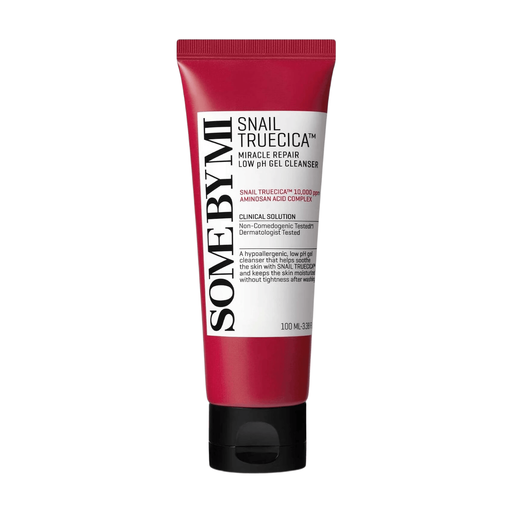
Why this fits the profile: The gel texture, 100 ml size and pH level of 5.5 make this a straightforward choice for anyone looking for a Korean facial cleanser for daily use.
The product description mentions a gentle low pH formula. However, do check the full ingredients list, as it contains bergamot and sage oil among others.
100 ml gel cleanser; according to the product information it contains glycerine, panthenol, ceramides and an amino acid complex.
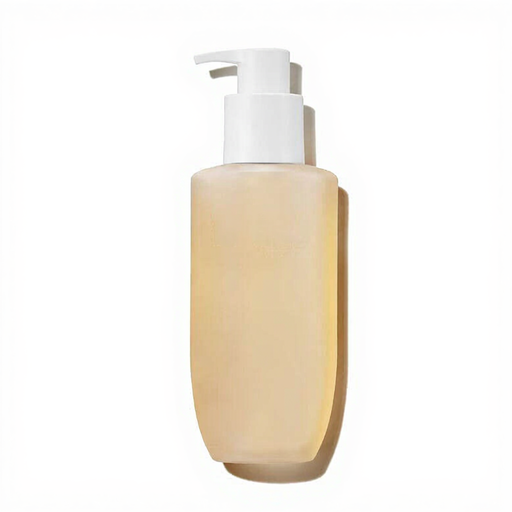
Why this fits the profile: The pump bottle with 200 ml and the foam texture suit a consistent morning and evening routine.
The ingredients list can be checked, but it also mentions perfume and fragrance allergens. That's relevant information for sensitive skin.
200 ml; foam mousse formula; according to the product description it contains mild cleansing agents and several plant extracts.
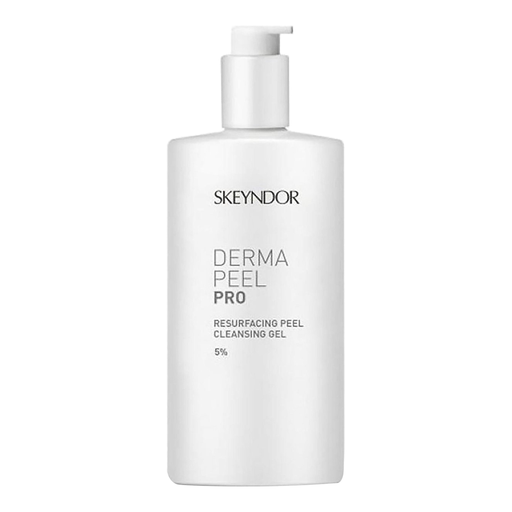
Why this fits the profile: This 200 ml gel is designed for cleansing and exfoliation and suits users who are mindful about using acids and enzymes.
The presence of glycolic acid, lactic acid, salicylic acid and papain is clearly stated. Don't automatically use this as a daily cleanser.
200 ml; gel for cleansing and exfoliation; usage instructions advise applying thinly, massaging gently and rinsing thoroughly.
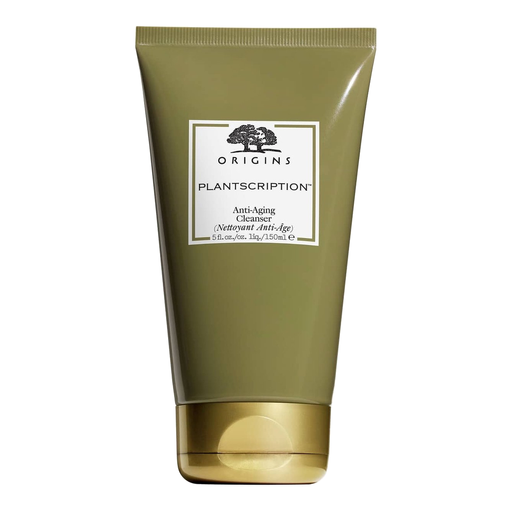
Why this fits the profile: The creamy gel in 150 ml can fit into a comprehensive skincare routine for normal, combination or sensitive skin.
The anti-ageing positioning doesn't replace leave-on skincare. The formula also contains several fragrance and plant oils, so check your tolerance beforehand.
150 ml; gel texture; according to the product information it is alcohol-, sulphate- and paraben-free.
We've put together a full, up-to-date list of products that fully meet these strict selection criteria and comply with current European safety regulations.
For most routines, once in the evening is enough to remove dirt, sebum, sunscreen and make-up residue. In the morning, you can use a gentle facial cleanser if it feels comfortable. If you have dry or sensitive skin, just lukewarm water in the morning may be more comfortable.
Check the expiry date and the period-after-opening symbol on the packaging. Store the cleanser closed, dry and out of direct sunlight. If the smell, colour or texture changes, stop using the product.
No. The price doesn't automatically tell you anything about the cleansing base or skin tolerance. Compare the size, ingredients, texture and usage instructions. An affordable cleanser for all skin types can be more practical than a premium formula that doesn't suit your skin.
