
Vandaag of morgen in huis

Kwaliteit gegarandeerd

Welkomstaanbiedingen ontgrendelen: GRATIS bezorging | Tot 80% korting | Gratis 30 dagen JoyPlus-proefperiode
Download de app
Choosing a facial cleanser might seem straightforward, but the options vary widely in texture, ingredients and how you use them. A foaming facial cleanser can work well for oilier skin, while a gel or cleansing milk is often a better choice if your skin feels tight after washing.
Watch out for three common pitfalls:
A facial cleansing gel is lightweight and is usually used with water. This type often suits normal, combination or oily skin. A foaming facial cleanser creates a light or creamy foam, which can be nice if you want that fresh, just-washed feeling.
A cleansing milk generally contains more nourishing and soothing ingredients. According to the product information, SKIN1004 Madagascar Centella Hyalu-Cica Gentle Cleansing Milk is applied to dry skin and is intended for dry, dehydrated, normal and sensitive skin types. If you wear make-up, you may need a second cleansing step.
Don’t just look at the name “face wash” or “facial cleanser” – also check:
A low-pH facial cleanser has a slightly acidic formula. The product information for Dr. Althea Green Relief Amino Gel Cleanser states a pH of 5.0–6.0. SKIN1004 Centella Tea Tree Cleanser is listed with a pH of 5.5. For Low-pH Good Morning Cleanser, the product description emphasises a low-pH formula.
A low pH value doesn’t guarantee that a product will suit everyone. However, it is a verifiable product specification you can take into account, especially if you often experience a tight feeling after cleansing. If the exact pH isn’t on the packaging or product page, don’t assume a specific value.
For a hydrating facial cleanser, you’ll often see glycerin, hyaluronic acid, betaine or plant extracts. In the product description, these ingredients are usually linked to a more comfortable feeling on the skin after washing. That doesn’t mean a cleanser is a replacement for a skincare product – after all, you rinse it off.
For oily or acne-prone skin, a cleanser with salicylic acid might seem appealing. According to the product information, Salicylic Acid Daily Gentle Cleanser contains 0.5% salicylic acid. The manufacturer describes the product for combination, oily and acne-prone skin. This is a brand claim, not a guarantee of a specific result. Do a patch test if recommended and pay attention to the warnings on the packaging.
For sensitive skin, a short contact time, lukewarm water and gentle massaging are more important than vigorous scrubbing. Even a product with lots of botanical ingredients or essential oil may not be suitable for some people. So always check the full INCI list.

Why it fits this profile: The gel texture and 100 ml size make this a straightforward choice for anyone looking for a Korean facial cleanser for daily use. According to the product information, the formula includes plum water, mung bean extract and glycerin.
The product page clearly describes the texture, size and usage steps. Nevertheless, check the current ingredients list on the packaging before you order.
Light gel texture; 100 ml size; according to the product information, suitable for all skin types.
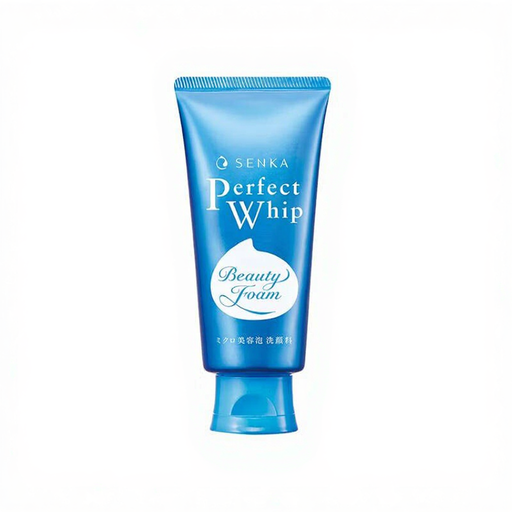
Why it fits this profile: If you’re after a Japanese facial cleanser with a rich foam texture, this 120 g tube is worth a look. According to the product description, it creates a full foam for daily use.
The size and foam texture are clearly stated. If you’re sensitive to fragrance or certain ingredients, check the INCI list beforehand.
120 g size; rich foam formula; use with water and rinse thoroughly.

Why it fits this profile: According to the product information, this Korean face wash contains 0.5% salicylic acid and is aimed at combination, oily or acne-prone skin. That makes it suitable for users who are deliberately looking for a specific ingredient.
The concentration of salicylic acid is stated, so you’re not relying on a vague claim alone. The manufacturer recommends a patch test; stop if irritation occurs.
150 ml size; 0.5% salicylic acid according to the product information; also contains tea tree oil and willow bark water.
We’ve put together a full, up-to-date list of products that fully meet these strict selection criteria and comply with current European safety regulations.
Wet your face with lukewarm water, unless the packaging instructs you to apply it to dry skin as a first step. Take a small amount and massage gently without applying pressure. Avoid the eye area, rinse thoroughly and pat your skin dry with a clean towel.
When it comes to daily facial cleansing, cleansing once in the morning and once in the evening isn’t necessary for everyone. Dry or sensitive skin can benefit from a gentler routine. If you wear make-up or sunscreen, check whether the cleanser is suitable for removing it. Some products, such as a cleansing milk, can be used as a first step.
That depends on your skin type, make-up use and the formula. Many products are intended for morning and evening use, but for dry or sensitive skin, once a day may be enough. Follow the instructions on the packaging and pay attention to any tight feeling.
Check the expiry date and the symbol for the period after opening on the packaging. Dr. Althea, for example, states 12 months after opening according to the product information provided. Store a cleanser tightly closed, in a dry place and out of direct sunlight.
Not automatically. Compare the size, the recommended amount per use and the texture. A pump bottle can make dosing practical, while with a tube the amount used can vary more. The price per 100 ml gives a fairer basis for comparison than just the selling price.
