
Vandaag of morgen in huis

Kwaliteit gegarandeerd

Welkomstaanbiedingen ontgrendelen: GRATIS bezorging | Tot 80% korting | Gratis 30 dagen JoyPlus-proefperiode
Download de app
A cold home office, bedroom or living room doesn’t always call for a large heating system. With electric heating, you can heat a specific room or even just the area where you’re sitting. There’s plenty to choose from, though: from an electric blanket or heated throw to a convector heater, ceramic heater, fan heater or oil-filled radiator.
Marketing claims can make the choice more difficult. A lower wattage doesn’t automatically mean an appliance costs less to run, and a compact heater isn’t always suitable for a larger room. So it’s worth focusing on the following points.
A 1,800-watt heater can warm a room quickly, but it also uses more electricity while running than a 600- or 1,000-watt model. Maximum wattage doesn’t tell you everything about comfort, either. A thermostat, multiple heat settings and a timer all affect how long the appliance keeps heating.
A compact 600-watt heater may be enough for a small area. For a room of up to around 15–18 m², a 1,000–1,500-watt model is often more practical, depending on insulation, ceiling height and the outdoor temperature.
Almost all electric heaters convert electricity into heat. The main differences are wattage, running time, temperature control and how the heat is distributed. A thermostat can stop the appliance from running unnecessarily. A weekly schedule can switch the heating off when you’re out.
You can work out the energy use easily:
wattage in kilowatts × hours of use × your electricity rate = estimated cost
A 1,200-watt heater running at full power for one hour uses around 1.2 kWh. In practice, consumption may be lower if a thermostat switches the heating element off from time to time.
A heater with overheat protection and tip-over protection adds an extra layer of safety, but it doesn’t replace the basic rules. Never cover a heater, keep it away from curtains and furniture, and don’t use it in a damp room unless it’s specifically designed for that purpose.
Check that the plug, cable and casing are undamaged, too. Read the instructions before use, and unplug the appliance before moving or cleaning it.
Don’t just look at the number of square metres stated in the product description. A room with single glazing or poor insulation needs more heating capacity than a well-insulated space. Also check whether the wattage is adjustable. Two settings, such as 600 and 1,500 watts, make it easier to match energy use to your needs.
For textiles, look for clear care instructions. For example, the Medisana HB 417 has a detachable controller and, according to the product information, can be washed at 30 °C. The stated Oeko-Tex Standard 100 certification applies to the textile and isn’t a general guarantee of all the product’s features.
Measure the available space first. A compact heater is handy on or beside a desk, while an oil-filled radiator needs a stable area of floor space. Useful features include:
A Wi-Fi heater is particularly useful if you want to set heating times in advance. Check whether it’s controlled via an app, Bluetooth or Wi-Fi, and whether the specifications clearly state which features are available directly on the appliance.

Why it suits this buyer: This compact model is easy to move between a desk, bedroom or small living room. You can choose between 600 and 1,500 watts.
The stated coverage and two heat settings make it clearer when this model is suitable for a smaller room.
1.51 kg, built-in handle, temperature settings, and tip-over and overheat protection according to the product information.
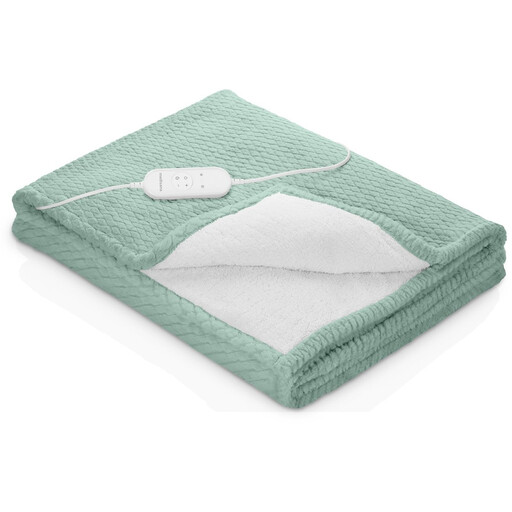
Why it suits this buyer: This electric blanket is designed for anyone looking for personal comfort on the sofa or in bed, without heating the whole room.
According to the product description, the blanket has nine temperature settings, automatic shut-off after 120 minutes and overheat protection.
Approx. 180 × 130 cm, 120-watt power and a detachable controller for washing at 30 °C.
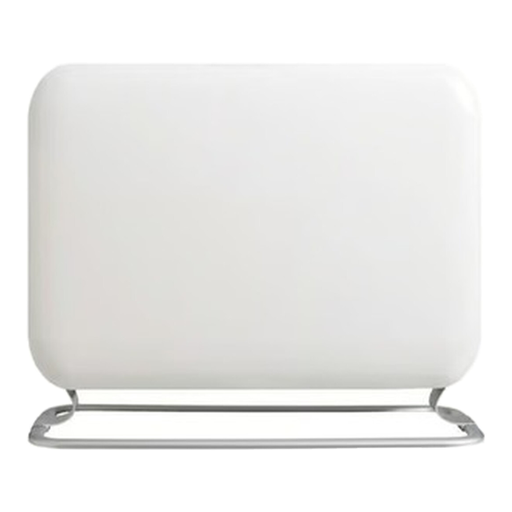
Why it suits this buyer: This model is a good fit if you want to heat a fixed indoor space to a schedule and control the settings via an app.
The stated 1,200 watts, coverage of up to 18 m² and built-in overheat protection provide clear guidance for use.
Wi-Fi control, weekly schedules, holiday setting, child lock and a convector design for indoor use.
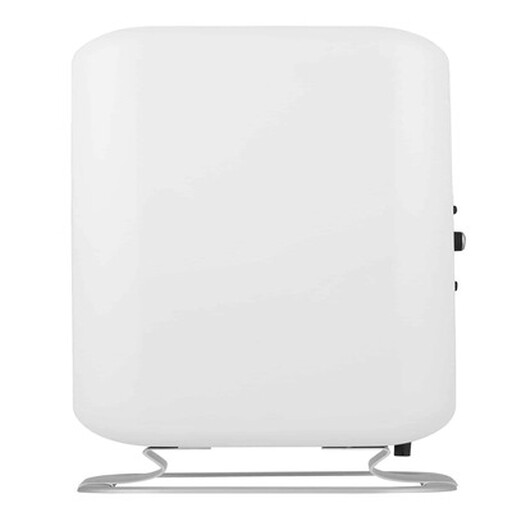
Why it suits this buyer: This portable heater is a good choice if you’re looking for a stable, floor-standing heater for a medium-sized room and value a day-and-night schedule.
The electronic thermostat and three settings of 400, 600 and 1,000 watts help you match the output to your needs.
1,000-watt power, suitable for up to 16 m² according to the product information, plus tip-over and overheat protection.
We’ve put together a complete, up-to-date list of products that meet these strict selection criteria and the applicable European safety requirements.
It depends on the wattage, how many hours you use it and your electricity rate. A lower wattage uses less energy per hour, but may take longer to bring a room up to temperature. Use the thermostat, timer or lowest suitable setting to avoid running the heater for longer than necessary.
A quiet ceramic or convector heater may be suitable, as long as the model is right for the room and positioned safely. Check the stated noise level, automatic shut-off and overheat protection. A fan heater can warm a room quickly, but not everyone finds the noise and airflow comfortable while sleeping.
Lifespan varies by product and how often it’s used. Check the cable, plug, controls and casing before each use. Don’t use a heated blanket if it’s visibly damaged. For a heater, it’s important to keep the vents dust-free, leave enough space around it and store it properly. The statutory guarantee for consumers in the EU is generally at least two years; additional rights may apply under national rules.
