
Vandaag of morgen in huis

Kwaliteit gegarandeerd

Welkomstaanbiedingen ontgrendelen: GRATIS bezorging | Tot 80% korting | Gratis 30 dagen JoyPlus-proefperiode
Download de app
A bag of dried fruit might seem simple to pick, but the differences between products are significant. One variety is soft and sweet, another is sour, salty or spicy instead. The fruit content, the amount of added sugar and the presence of sulphites can also vary from pack to pack.
For shoppers in the UK, there are three main pitfalls to watch out for:
If you’re buying dried fruit for home, the office or on the go, it’s well worth reading the packaging first and only then comparing taste or price.
Look at the ingredients list to see which ingredient comes first. Ingredients are listed in descending order. A high fruit percentage gives you more context when choosing a product, but it doesn’t automatically mean the snack is low in sugar.
With MUSHAN BASE Dried Mango 50g, mango is listed at a minimum of 79.5%. The product also contains sugar, glucose powder and maltose syrup, among other ingredients. According to the product information, the nutritional values are 343 kcal and 36.3 grams of sugar per 100 grams. The 50-gram portion makes it easy to manage when you’re out and about.
With candied pineapple, the proportion of added sugars is often higher. MUSHAN BASE Candied Pineapple contains at least 75% pineapple and 60.3 grams of sugar per 100 grams, according to the product specification. That fits a distinctly sweet-and-sour snack, but it’s useful information when you’re comparing different types of dried fruit.
Dried fruit can be crunchy, brittle, soft or chewy. That difference depends on the drying method, the moisture content and any syrups or humectants used.
For a fruity snack on the go, small portions are practical. Individually wrapped products also stay separate from other items in your bag. A 180-gram bag can be better value for home use, for example to share or to add to yoghurt and breakfast cereals.
Check the storage advice after opening. Most products should be kept cool and dry, away from direct sunlight and moisture. Seal an opened pack tightly. With some products, such as spicy mango snacks, it’s recommended to eat the contents within a few days of opening.
Sulphites can be used to prevent discolouration and to help with shelf life. On the label they may appear as E223, sulphur dioxide or sulphites. MUSHAN BASE Dried Mango, candied pineapple and various mango products list sulphites. So always check the allergen information, especially if you are sensitive to this substance.
Also watch out for salt. Traditional Chinese snacks, such as salted white plums, can contain significantly more salt than sweet fruit snacks. X.O Salted White Plum lists Chinese plum, salt and sugar as the main ingredients. The nutritional information on the product page mentions 8 grams of sodium per 100 grams; check the actual packaging before purchase too, because the labels are what count.
A product that is relatively low in fat isn’t automatically suitable for every eating occasion. Dried fruit generally contains concentrated carbohydrates. So compare the portion size and the values per 100 grams rather than just looking at the front of the pack.
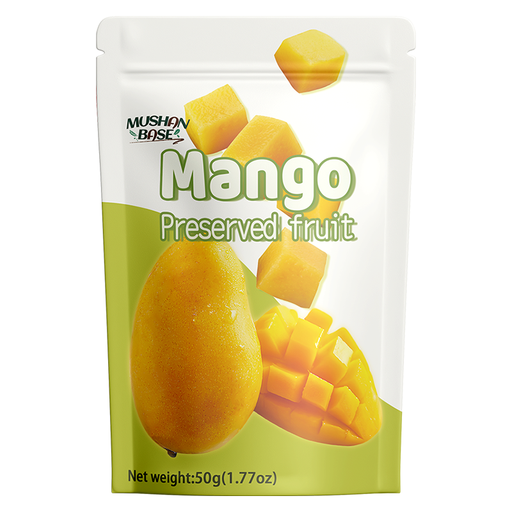
Why this fits the profile: The 50-gram portion is handy for trying a flavour first without committing to a large bag. The soft, chewy texture and sweet-and-sour taste suit an accessible fruity snack.
The net weight and ingredients are clearly stated. So you can see that alongside a minimum of 79.5% mango, sugar and syrup have also been added.
50 g; individually wrapped; ready to eat; sulphites are listed in the allergen information.
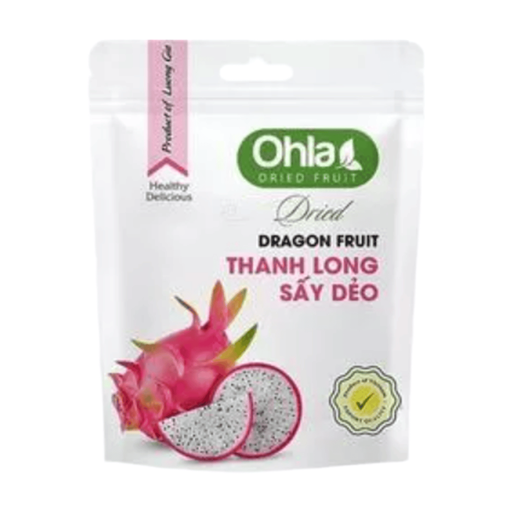
Why this fits the profile: The 180-gram pack is suitable for fans of exotic dried fruit who want to keep several portions at home. The taste and composition can vary from pack to pack, so check the label.
The product information indicates that some varieties may contain sugar or sulphur dioxide. So check the ingredients on the pack you receive.
180 g; exotic fruit choice; according to the product information, 10 g of fibre per 100 g; store in a cool, dry place.
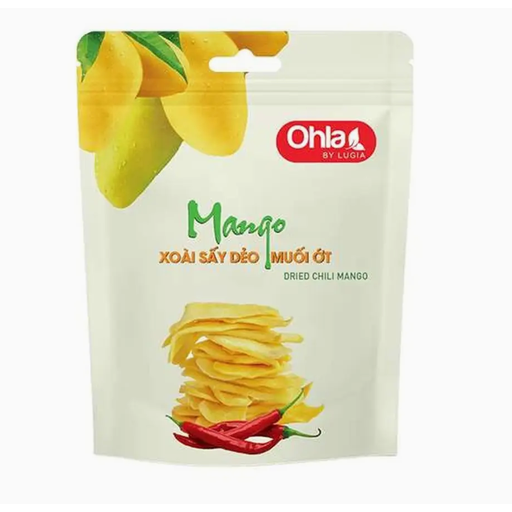
Why this fits the profile: This variety is for anyone who wants to combine sweet, sour and spicy flavours. The 200-gram size works well for sharing at the office or as a stash for several snacking occasions.
The ingredients list mango, sugar, chilli and sulphites. So the spicy flavour isn’t just a marketing description – it can be verified through the product information.
200 g; sweet and spicy flavour; according to the product specification, 334 kcal per 100 g; seal well after opening and use within the stated time.
We’ve put together a full, up-to-date list of products that fully meet these strict selection criteria and comply with current European safety regulations.
For a more traditional choice, dried plums, various plum flavours and salted white plums are worth considering. These Chinese snacks often combine sweet, sour and salty notes. With salty varieties, pay extra attention to the stated amount of salt or sodium.
If you’re after a softer fruit flavour, you can compare dried strawberries or dried mango. According to the product information for MUSHAN BASE, dried strawberries contain strawberries and sugar, with 57.4 grams of sugar per 100 grams. For a sweet-and-sour snack with a firm bite, dried soursop and dried dragon fruit are alternatives; check whether sugar or sulphites have been added.
For yoghurt, muesli or desserts, strips and slices are handy. For a walk, train journey or workday, small, resealable portions are more practical. That way you can match not just the flavour but also the packaging to how you’ll be using it.
Yes, it has a long shelf life and usually doesn’t need to be refrigerated. Choose a small pack if possible, or divide a larger bag into portions in advance. Always check the storage advice and allergen information.
The best-before date is on the packaging. Unopened products should generally be stored in a cool, dry place away from direct sunlight. Seal an opened bag tightly and follow any additional instructions, such as consuming quickly after opening.
That varies from product to product. Dried fruit naturally contains concentrated fruit sugars, and some varieties also have added sugar, syrup or glucose. So compare the ingredients list and the nutritional values per 100 grams. This applies to dried mango, candied pineapple and fruit bars too.
