
Vandaag of morgen in huis

Kwaliteit gegarandeerd

Welkomstaanbiedingen ontgrendelen: GRATIS bezorging | Tot 80% korting | Gratis 30 dagen JoyPlus-proefperiode
Download de app
Coated peanuts come in many flavours and sizes. From sweet sugar peanuts to spicy chilli peanuts, Thai peanuts, savoury snack nuts and BBQ-flavoured peanuts. The packaging often boasts words like “premium”, “authentic” or “extra crunchy”, but such descriptions don’t always tell you enough about what you’re getting.
Instead, focus on three key points: the ratio of peanut to coating, the allergen information and the pack size. This way, you can avoid ending up with a bag that’s mostly sugar, flour or flavoured coating, or buying too few snacks for a party.
A 230g or 300g bag may look generous, but the net weight includes both peanuts and coating. With sugar peanuts, a significant portion can be sugar or glucose syrup. So don’t just compare the pack price – also check the price per 100g and the percentage of peanuts in the ingredients list.
Spicy peanuts can taste mainly of chilli, but may also contain garlic, pepper, onion, lemongrass or soy sauce. With Tom Yum peanuts, the coating might include citric acid, lemongrass and chilli. If you’re after a distinct Thai flavour, it’s worth looking at the ingredients and nutritional values rather than just relying on the front of the pack.
Peanuts themselves are an allergen. On top of that, different varieties can contain wheat or gluten, soya, milk, egg or fish. KOH-KAE Coated Peanuts Tom Yum, for example, is described with peanuts, fish and wheat as points to note. Always check the current label, especially if you’re sharing the snack with guests.
Look at the first ingredients. If “peanuts” appears near the top, they generally make up a significant part of the product. Xue Da Kui Mountain Walnut & Peanut states at least 85% peanuts. g’woon Sugar Peanuts lists 59% peanuts and 33% sugar. That difference affects both flavour and texture.
A thin, savoury coating often suits snack nuts or a crunchy peanut snack to enjoy with a drink. A thicker, sweet layer is more typical of sugar peanuts or coconut peanuts. The term “coating” isn’t a fixed quality standard – the ingredients list gives you a better guide.
Compare the table per 100g, not just the serving size. In the product information provided, the values vary:
These figures aren’t a judgement on the snack, but they help you choose between sweet, savoury and spicy. Use the product packaging as a guide, as recipes and labels can change.
For drinks or a party, 230g to 300g is practical for sharing. A 110g or 140g bag is handier for a smaller occasion or for serving several flavours side by side. A resealable pack can help keep the crunchiness for longer, but always close the bag properly after opening.
Store coated peanuts in a cool, dry place away from direct sunlight, and keep them away from moisture and heat sources. The best-before date is on the packaging. One product description mentions around six months for sugar-coated peanuts under suitable conditions, but the date on your pack is what matters.
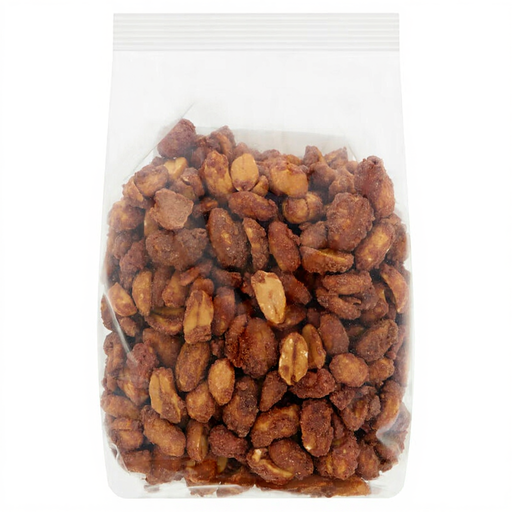
Why this suits the profile: A straightforward 235g pack for anyone wanting to try sugar peanuts for the first time without committing to a large size.
The net weight is clearly stated. The nutritional information shows this is a distinctly sweet snack, not plain roasted peanuts.
235g pack; sweet flavour; 37.855g sugars per 100g according to the product information.
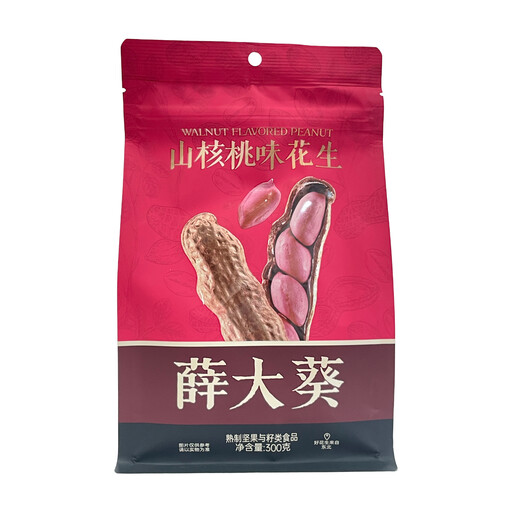
Why this suits the profile: For those who value a generous bag and a high stated peanut content over a simple sugar coating.
The stated peanut content of at least 85% makes the ratio of kernel to coating verifiable.
300g pack; at least 85% peanuts according to the product description; 28.1g protein per 100g.

Why this suits the profile: A practical choice for drinks parties, get-togethers and anyone who loves a savoury, sweet-smoky flavour.
The product information explicitly mentions peanuts, wheat and soya. This makes checking for allergens easier before you open the bag.
230g; BBQ seasoning; 530 kcal, 14g sugar and 0.6g sodium per 100g according to the product table.
We’ve put together a full, up-to-date list of products that fully meet these strict selection criteria and comply with current European safety regulations.
With varieties such as KOH-KAE Nori Wasabi, Golden Turtle Tom Yum and KOH-KAE Coconut Cream, pay extra attention to wheat, soya, coconut or other listed ingredients. “No artificial colours” or any other brand claim is a statement from the manufacturer – check the current ingredients list for the actual composition.
Keep the bag tightly sealed in a cool, dry place, away from sunlight and moisture. Ideally, use the snack before the date on the packaging and watch for any changes in smell, taste or crunchiness.
Not without checking. Peanuts are an allergen, and the coating may contain wheat, gluten, soya, milk, egg or fish, among other things. Always read the current label and the warning about possible traces. If in doubt, it’s best not to serve the product.
For a mixed group, you could put out a sweet variety, a BBQ or Provençal flavour, and a spicy or Asian option alongside each other. Sizes of 230g or more are practical for sharing. Then work out the quantity you need based on the number of guests and other snacks on the table.
