
Vandaag of morgen in huis

Kwaliteit gegarandeerd

Welkomstaanbiedingen ontgrendelen: GRATIS bezorging | Tot 80% korting | Gratis 30 dagen JoyPlus-proefperiode
Download de app
Cleaning products might seem straightforward to compare, but a low price or eye-catching packaging doesn’t tell the whole story. A bulk pack can appear good value, for example, while the dosage per wash is actually high. Terms like “extra fresh”, “sensitive skin” or “biodegradable” also call for a closer look at the product information.
For households, parents, carers and people with sensitive skin, there are three main pitfalls to watch out for:
With laundry detergent, the number of washes is a practical starting point. A box of washing powder for 83 washes can be appealing for a busy household, while liquid detergent or laundry pods mainly offer convenience. Always check the recommended dosage for:
With laundry pods, the dosage is pre-measured, but that doesn’t mean one pod is suitable for every load. Liby, for example, states one capsule for roughly 10 to 12 light items of clothing, while a different dosage may apply for heavily soiled laundry. Store laundry pods in a dry place, don’t touch them with wet hands, and keep them out of reach of children.
If you’re looking for laundry detergent for sensitive skin, unscented wipes or wipes for sensitive skin, it’s worth checking the ingredients list. “Fragrance-free”, “unscented” and “perfume-free” are relevant differences compared with a fragranced product.
With laundry detergent, look out for perfume ingredients, enzymes and preservatives if you want to avoid certain substances. Color Reus lists perfume and fragrance allergens such as Amyl Salicylate, Hexyl Cinnamal and Citronellol. That doesn’t automatically make the product unsuitable, but the information is important for making an informed choice.
With baby wipes and moist wipes, the wipe material, the amount of water and the packaging closure are practical points to consider. A well-sealing lid helps prevent drying out. Also check whether wipes are described as plastic-free or biodegradable, and whether that claim refers to the material, the packaging or the entire product.
Floor cleaning wipes are handy for a quick clean, but they’re not universal. Swiffer’s product information states suitability for tiles, linoleum and treated wood. According to the same information, do not use these wipes on untreated, oiled or waxed parquet floors, untreated natural stone or carpet.
For moist toilet wipes, always check the instructions on the packaging. Page states that the product is flushable and biodegradable, and refers to INDA/EDANA standards for flushability. Even so, it’s wise to use small amounts and follow local guidance from your water company or council. Other moist wipes, such as pure-water wipes and baby wipes, must not be flushed down the toilet.
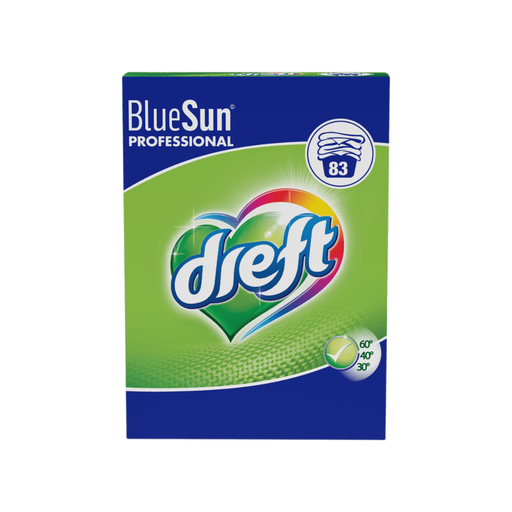
Why this fits the profile: According to the product information, the pack is suitable for 83 washes and for coloured and white laundry. That makes it easy to calculate the cost per wash.
The fixed number of washes stops you from focusing only on the pack price. Do check the dosage on the label for your water hardness and level of soiling.
Powder form, 83 stated washes and suitable for washes at 30, 40 and 60 degrees according to the product description.
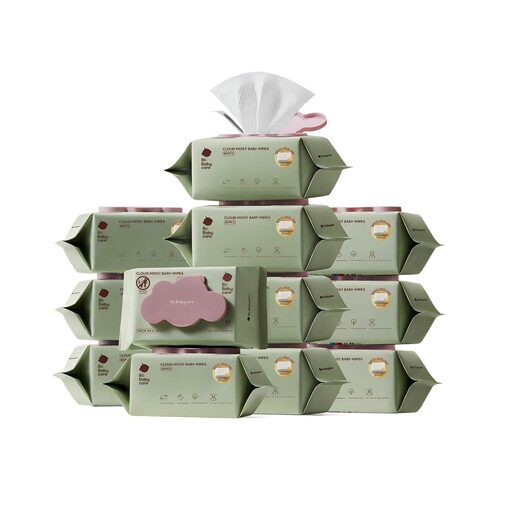
Why this fits the profile: The wipes are unscented, contain 99% purified water according to the product information, and come in a bulk pack of 960 wipes.
The description mentions no perfume and states an OEKO-TEX certification with number 25.HUS.21538. Check the label if you have allergies or irritation.
960 wipes, 3 times thicker according to the product information and made from plastic-free cellulose fibres.
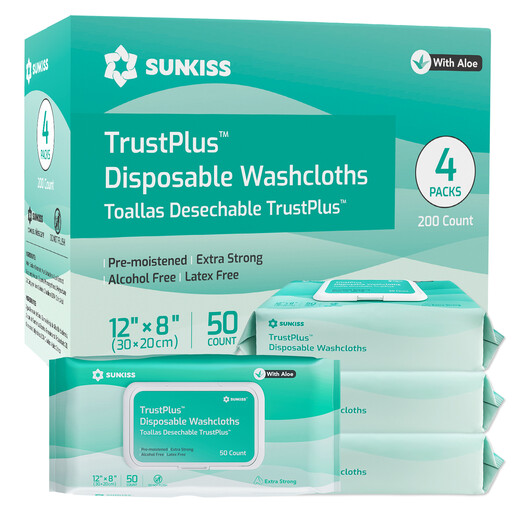
Why this fits the profile: These extra-large wipes measuring 20 x 30 cm are designed for body cleansing without rinsing, for example when caring for someone or on the go.
The size and flip-top closure are clearly stated. That means this isn’t a small wipe for a large cleaning area, and the packaging stays better sealed.
200 wipes, unscented, alcohol-free and latex-free according to the product information, with aloe vera and vitamin E as listed ingredients.
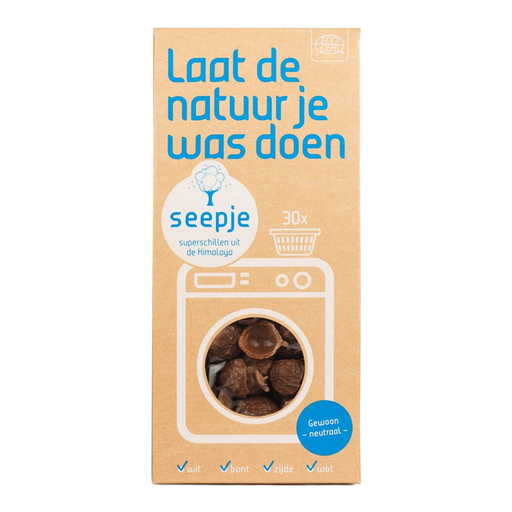
Why this fits the profile: According to the product information, the ingredients are of natural origin and the product is intended for items including wool, silk and baby clothes.
The packaging states 30 washes and gives a specific dosage: four whole or eight half shells in the wash bag. This helps you estimate usage more accurately.
150 gram contents, a cotton wash bag and, according to the product description, reuse of the shells up to three times.
We’ve put together a full, up-to-date list of products that fully meet these strict selection criteria and comply with current European safety regulations.
That depends on the dosage, the number of washes and the amount of laundry you do. Washing powder is often available in larger packs. Liquid detergent is practical for everyday use, while laundry pods are pre-measured. Divide the price by the stated number of washes, then check whether the recommended dosage suits your situation.
Follow the expiry date and usage instructions on the packaging. Close baby wipes, cleaning wipes and moist wipes properly immediately after use. Heat, sunlight and an open pack can cause wipes to dry out. Don’t use wipes if they smell odd, have visibly changed or are past their stated expiry date.
No. Only products that explicitly state they are flushable are suitable for this. Page states flushability and refers to INDA/EDANA standards; C&S recommends flushing in small amounts. Baby wipes, floor cleaning wipes and general cleaning wipes belong in the bin.
