
Vandaag of morgen in huis

Kwaliteit gegarandeerd

Welkomstaanbiedingen ontgrendelen: GRATIS bezorging | Tot 80% korting | Gratis 30 dagen JoyPlus-proefperiode
Download de app
A cloth may seem like a simple household product, but choosing the wrong one can quickly become frustrating. A dishcloth that barely absorbs moisture, a glass cloth that leaves streaks or a microfibre cloth that loses its structure after just a few washes: these are common problems when shopping.
If you are looking to buy cleaning cloths, it is therefore worth considering how you will use them, as well as the material and dimensions. Marketing terms such as “multifunctional” do not say much on their own. The product description and care instructions usually provide far more useful information.
A cloth for the kitchen, bathroom, windows and car sounds convenient, but not every material works equally well on every surface. A highly absorbent dishcloth is practical around the sink, for example, while a smooth glass cloth may leave behind fewer fibres and streaks.
Where possible, use different colours or types for each room. This helps prevent a cloth used for the toilet from ending up on the worktop.
Reusable cleaning cloths are only practical if they can be washed and dried properly. Check the maximum washing temperature and whether the use of fabric softener or bleach is discouraged. For microfibre, product information may warn that fabric softener can affect the material’s properties.
A cloth that can only be washed by hand requires more maintenance than one that can go in the washing machine.
A large pack may seem like good value, but small cloths are not always suitable for larger surfaces. As well as the number of pieces, check the dimensions. A 30 × 30 cm cloth is easy to handle for furniture and appliances, while a 40 × 30 cm cloth covers more surface area during kitchen or bathroom cleaning.
For disposable cloths, also pay attention to the usage instructions. According to the packaging, single-use products generally belong in the bin rather than the toilet.
Microfibre cloths are often made from polyester and polyamide. According to the product description, they can be used dry for dust and dirt, and damp for greasier residue. Their fibre structure makes them suitable for smooth surfaces such as stainless steel, glass and screens. However, always check the washing instructions.
Cellulose or dishcloths are often designed for wet cleaning and absorbing moisture. They are practical in the kitchen, but are not automatically suitable for streak-free glass.
A viscose glass cloth has a different usage profile. According to the product description, the Dunlop cloth in this selection is intended for glass and car windows and can be rinsed with warm or cold water.
Compact sizes are often convenient for everyday use. A cloth measuring around 30 × 30 cm fits easily in your hand and is suitable for tables, cupboard doors, desks and a car’s interior. Larger kitchen cleaning cloths are useful when you need to absorb a lot of moisture.
With microfibre, density can also be relevant. A cloth weighing 260 g/m² contains more material per square metre than a very thin version. This is a verifiable product specification, but it does not by itself indicate how well a cloth will work in every situation. The right combination of size, structure and care remains important.
For regular cleaning tasks, reusable cleaning cloths are usually practical. You can sort them by room and wash them after use. Do not use fabric softener if the manufacturer advises against it, and follow the temperature shown on the label.
Cleaning wipes and disposable cloths can be useful when you are out and about, need to clean quickly or do not want to store a used cloth. Always check which surface they are intended for and read the ingredients or warnings on the packaging.
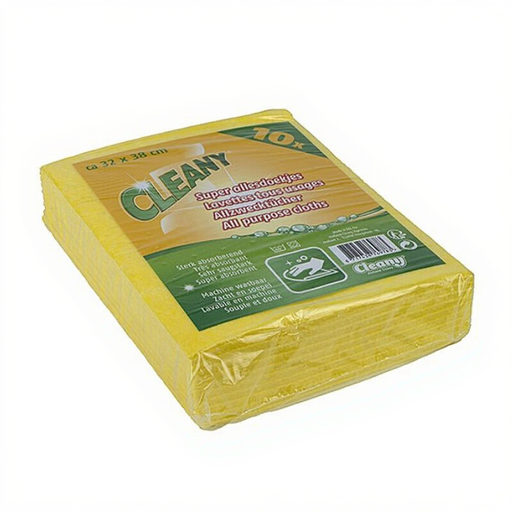
Why it suits this profile: A set of ten cloths offers a simple starting point for the kitchen, bathroom and other surfaces around the home. The yellow colour makes it easy to distinguish these cloths from other cleaning cloths.
The pack size of ten and the dimensions of 32 × 38 cm are clearly stated. This means the purchase is not based solely on a general claim such as “multifunctional”.
10 pieces per pack; 32 × 38 cm; suitable for the kitchen, bathroom and general surfaces according to the product description.

Why it suits this profile: The stated density of 260 g/m², low-lint material and washability up to 60 °C give this cloth clear specifications for regular use.
The product information specifies the size, density, washing instructions and areas of use. This makes it easier to judge whether one cloth is sufficient for your tasks.
30 × 30 cm; 260 g/m²; machine washable up to 60 °C; intended for the home, car and office, among other uses.
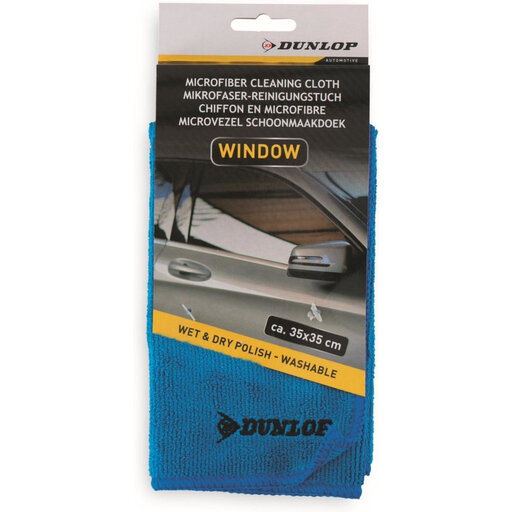
Why it suits this profile: This cloth is specifically described for glass and car windows. That makes it suitable for households wanting to clean windows or car interiors with a dedicated product.
Rather than choosing a general-purpose cloth for every job, you can select a product with a clearly defined use: glass and car windows.
35 × 35 cm; 100% viscose according to the product information; can be rinsed with warm or cold water.
Use different dishcloths for wet surfaces and washing up. Keep microfibre cloths for smooth surfaces such as cupboard fronts, taps and appliances. In the bathroom, separate bathroom cloths are useful for limiting contact between different areas.
Dry dusting cloths are suitable for removing dust. A set in different colours helps you assign cloths to different rooms. Wash used cloths according to the label and allow them to dry completely before putting them away. This helps prevent musty smells.
For more variety in materials, sizes and uses, you can also browse the full range of cloths.
We have compiled a complete, up-to-date list of products that fully meet these strict selection criteria and the applicable European safety regulations.
It depends on how they are used. Wash a cloth after intensive cleaning, after contact with a lot of dirt or when it starts to smell unpleasant. Kitchen cloths that are used wet every day generally need washing more often than a dry dusting cloth.
Always check the product instructions. For the 5five microfibre cloths mentioned, the use of fabric softener and bleach is discouraged. According to the product description, these products can affect the properties of microfibre.
That depends on how often you use them. Disposable cloths require little washing, but you have to keep buying new packs. Reusable cloths last longer when cared for correctly. Compare the price per cloth, as well as the expected washing and replacement requirements.
