
Vandaag of morgen in huis

Kwaliteit gegarandeerd

Welkomstaanbiedingen ontgrendelen: GRATIS bezorging | Tot 80% korting | Gratis 30 dagen JoyPlus-proefperiode
Download de app
Picking a bottle of chilli sauce might seem straightforward, but the differences between hot chilli sauce, sweet chilli sauce, sambal and Korean chilli sauce are significant. One variety is mainly sour and sharp, while another is sweet and thick. If you rely solely on a flashy label or the term “extra hot”, you could end up buying a sauce that doesn’t suit your dish.
When comparing, watch out for three common pitfalls:
Ingredients are listed in descending order by quantity. If sugar or syrup appears near the top, it’s usually a sweeter sauce. For a hot pepper sauce, vinegar, water, salt and chilli peppers are often the base. Tabasco Red Pepper Sauce, for instance, lists only vinegar, red pepper and salt in its product information.
Also check per 100g or 100ml:
A short ingredients list doesn’t automatically mean the sauce suits every dish. It does, however, tell you something about the composition and helps with an objective comparison.
A smooth, runny sauce is handy for pizza, soup, pasta, rice dishes and stir-fries. A thicker sauce is better as a dip, glaze or coating for chicken, spring rolls and vegetables.
Look out for words like:
Sambal and gochujang aren’t direct substitutes for every chilli sauce. Sambal is often coarser and more peppery, while gochujang is a fermented Korean chilli paste with a thicker texture and an umami flavour.
Always read the label on the packaging you receive. Product information online can change or may be less complete than the current packaging. Pay particular attention to soya, wheat, milk, celery and nuts. Gochujang, for example, often contains fermented soya and sometimes wheat. The product information for Delief Gochujang lists soya and wheat as allergens.
Origin also gives practical clues about the flavour profile:
Store an opened bottle according to the label. Products should generally be kept cool and dry, out of direct sunlight and tightly sealed. Some sauces are best refrigerated after opening; check the packaging for this.
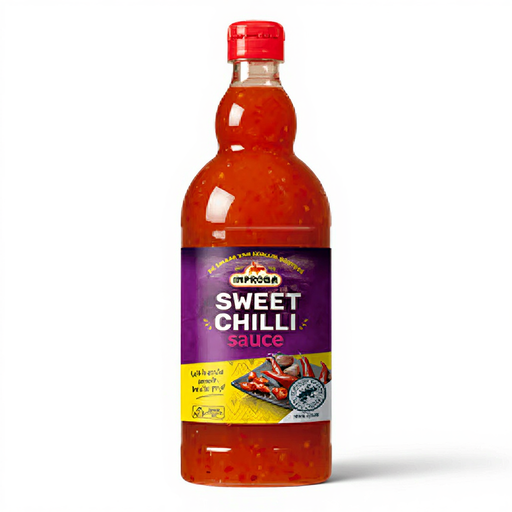
Why this fits the profile: The large bottle is practical for anyone who regularly makes stir-fries, snacks or marinades and wants a familiar sweet-spicy flavour.
The product information states 7.4% chilli pepper and makes the sweet style clear. So the flavour expectation relies less on marketing terms like “hot”.
850 ml content; suitable as a dipping sauce, with grilled chicken and as a marinade sauce.
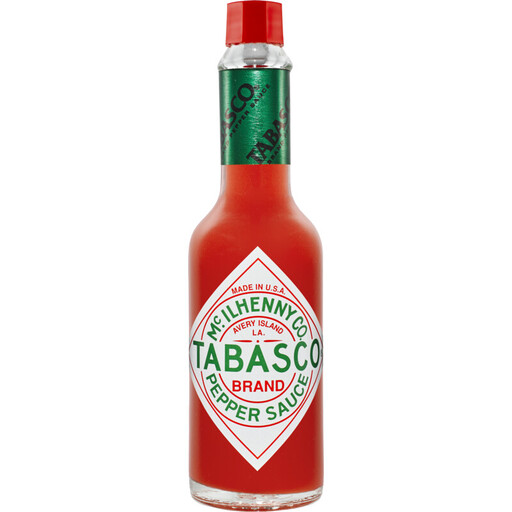
Why this fits the profile: Handy for users who want to add a sour, sharp kick in small amounts to pizza, meat, pasta or soups.
The composition is straightforward: vinegar, red pepper and salt. The small bottle makes it easy to build up the dosage.
60 ml content; according to the product information, 19% red pepper; suitable for use by the drop.
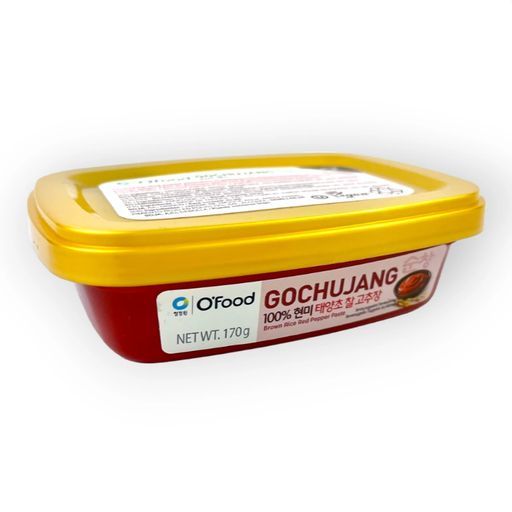
Why this fits the profile: Aimed at home cooks who make Korean dishes, marinades, stews and stir-fry sauces.
The product is described as a fermented red pepper paste. This prevents confusion with a thin, vinegar-heavy hot pepper sauce.
170g pack; contains brown rice, fermented soya and red pepper; usable as a marinade, condiment and base for soup.
We’ve put together a full, up-to-date list of products that fully meet these strict selection criteria and comply with current European safety regulations.
Chilli sauce is usually runny or smooth and can be sweet, sour or spicy. Sambal is typically a coarser paste made from ground chillies, often with salt, spices or onion. The exact flavour varies by type. So always check the ingredients and the stated heat level.
For stir-fries, you can choose from several styles. A sweet chilli sauce gives a sweet-spicy glaze, while a thin hot chilli sauce mainly adds extra sharpness. Gochujang is suitable when you want a thicker Korean flavour with umami. Add the sauce at the end or dilute it with water, stock or soy sauce to reduce the risk of burning.
The shelf life depends on the product. Check the date and storage advice on the packaging. Seal the bottle tightly, use clean utensils and watch for changes in smell, colour, texture or packaging. When in doubt, follow the manufacturer’s instructions and don’t use any product with damaged packaging.
