
Vandaag of morgen in huis

Kwaliteit gegarandeerd

Welkomstaanbiedingen ontgrendelen: GRATIS bezorging | Tot 80% korting | Gratis 30 dagen JoyPlus-proefperiode
Download de app
A good body lotion should suit your skin type, daily routine, and preference for scent and texture. Yet many shoppers focus mainly on words like “intensive”, “nourishing” or “72-hour hydration”. Such terms don’t always tell you enough about the formulation or how easy it is to use.
Instead, pay close attention to the ingredients list, the volume, and the warnings on the packaging. That way, you can avoid buying a large bottle that feels too greasy, contains a scent you don’t like, or isn’t suitable for sensitive skin.
A hydrating body lotion may contain glycerine, hyaluronic acid, oils or butters. Each of these ingredients has a different function in the formula. Glycerine and sodium hyaluronate, for example, are often used as humectants. Oils and butters mainly contribute to a richer feel on the skin.
Always check the full ingredients list. A product with shea butter may, for instance, contain perfume and fragrance allergens. That doesn’t have to be a problem for every user, but it is relevant information if you’re looking for a body lotion for sensitive skin.
A fast-absorbing body lotion is handy if you want to get dressed straight away. A rich body milk or nourishing body lotion, on the other hand, can be more comfortable for dry areas like elbows, knees and lower legs. So don’t just look at the marketing copy – also check the description of the texture and the ingredients.
A 400 ml bottle or a multipack may seem good value, but only if you like the scent and formula. For a first purchase, 200 to 250 ml is often more practical. If you apply lotion daily or share a product with several family members, a 400 ml bottle or multipack can be a better choice.
Hyaluronic acid often appears on ingredients lists as sodium hyaluronate. It is used in products such as NIVEA body milk for dry to very dry skin. Shea butter is listed as Butyrospermum Parkii Butter and can be found in various rich body lotions, including products from Dove and Kneipp.
Also look out for perfume and individually listed fragrance allergens such as limonene, linalool or benzyl alcohol. A fragrance-free body lotion, like the MUJI and A-DERMA options below, can be a sensible choice if you prefer to avoid those substances. Always check the packaging, because formulations can change.
Don’t just compare the price – also compare the price per 100 ml. With a multipack, check how many bottles you actually receive. The shelf life or PAO information is on the packaging. Store your body lotion according to the manufacturer’s instructions, preferably tightly closed and away from direct sunlight.
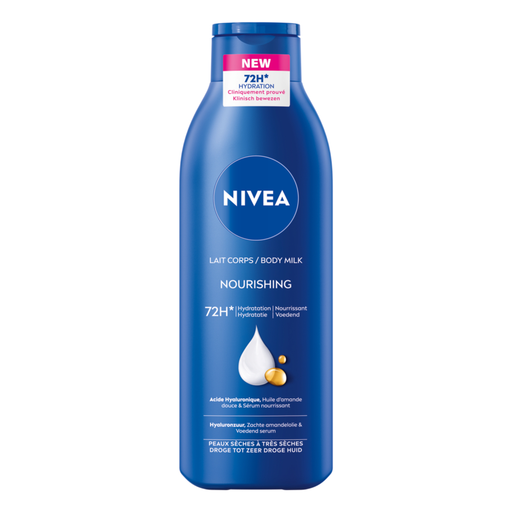
Why this fits the profile: The 250 ml bottle is a manageable size for anyone trying a body milk for dry skin for the first time. According to the product information, the formula contains hyaluronic acid, almond oil and a nourishing serum.
The product description mentions a light, non-greasy texture that absorbs quickly. Do check the perfume and fragrance ingredients on the list if you have sensitive skin.
250 ml; hyaluronic acid, almond oil and glycerine according to the ingredients list; suitable for dry to very dry skin according to the product information.
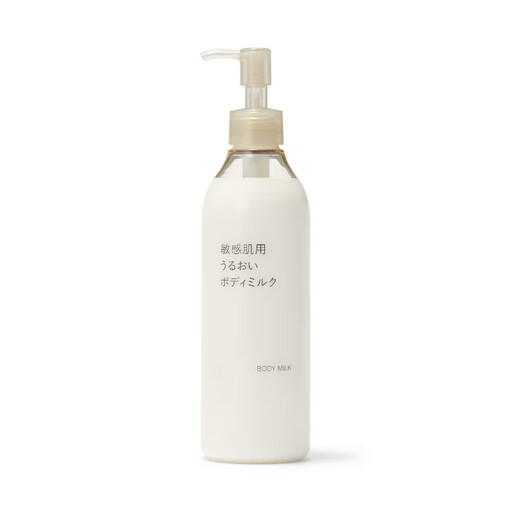
Why this fits the profile: According to the product description, this body lotion contains no perfume, colourants or mineral oil. The 300 ml size is suitable for regular use.
The product information mentions a mild acidic formula and no perfume. The “allergy tested” claim comes from the brand; an individual reaction is still possible.
300 ml; ceramide, amino acids and plant extracts are mentioned in the product description; free from perfume and alcohol according to the stated specifications.
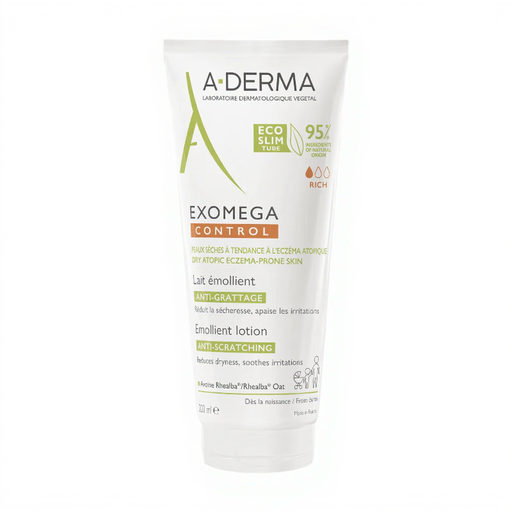
Why this fits the profile: According to the product description, this fragrance-free lotion is designed for dry, sensitive and eczema-prone skin and is suitable from birth. The fluid texture is intended for daily use.
The description mentions a non-greasy, fast-absorbing texture and a fragrance-free formula. This does not replace medical advice for eczema or persistent skin complaints.
200 ml; fragrance-free; Rhealba oat extract, vitamin B3 and evening primrose oil are mentioned according to the product information.
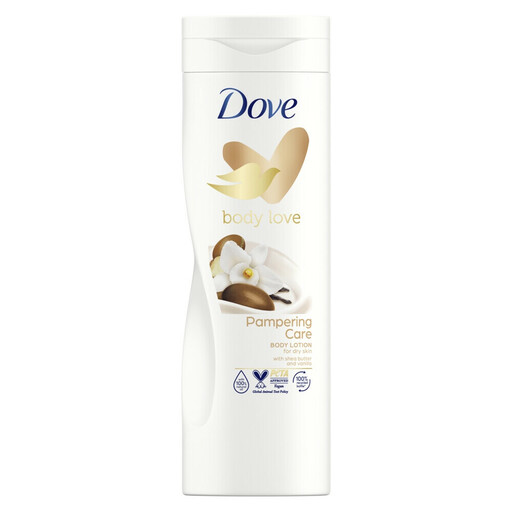
Why this fits the profile: According to the product information, this nourishing body lotion combines shea butter with a vanilla scent and a 400 ml volume. That suits daily use on larger dry areas.
The product details clearly state the scent, formula and volume. This means you can judge in advance whether a rich texture and perfume suit your preference.
400 ml; shea butter and glycerine are listed in the ingredients; the packaging is made from recycled plastic according to the product information.
We’ve put together a full, up-to-date list of products that fully meet these strict selection criteria and comply with current European safety regulations.
Apply the lotion to clean skin, for example after a shower. Pat your skin dry first and apply while it is still slightly damp. Start with a small amount and spread it evenly. Test a new product on a small area of skin first, especially if you have sensitive or eczema-prone skin.
For babies, only use a product that is stated on the packaging as suitable for their age. Stop if redness, itching or swelling occurs, and seek advice from a doctor or pharmacist if necessary.
That depends on your skin and the season. If you have dry skin, daily use after a shower can be comfortable. In winter or if your skin feels tight, you may need to reapply. Always follow the usage instructions on the packaging.
Body milk is usually a term for a fluid body lotion, but there is no fixed universal boundary between the two. So look at the texture, ingredients and description. A body milk may absorb lightly, while a nourishing body lotion or body cream feels richer.
Look for a short ingredients list and consider choosing a fragrance-free body lotion. MUJI and A-DERMA mention a fragrance-free formula in their product information. Check the current packaging and test the product on a small area. For eczema or persistent complaints, professional advice is important.
