
Vandaag of morgen in huis

Kwaliteit gegarandeerd

Welkomstaanbiedingen ontgrendelen: GRATIS bezorging | Tot 80% korting | Gratis 30 dagen JoyPlus-proefperiode
Download de app
A body lotion might seem like a simple product, but the difference between a pleasant daily care routine and a disappointing purchase often comes down to small details. A lotion can disappear too quickly, feel sticky, or have a scent that puts you off after a few days. What’s more, marketing claims about firming, long-lasting hydration or a natural-looking glow can create expectations that don’t suit every skin type.
So it’s worth paying close attention to the formula, the usage instructions and the information on the packaging. Below, you’ll find out what to look for before buying a moisturising body lotion.
Terms like 72-hour hydration sound appealing. The stated duration usually comes from a test carried out under specific conditions. According to the product description for NIVEA Repair & Care, the claim of up to 72 hours is based on a test with 44 people after a single application. That doesn’t mean you won’t need to reapply for three days.
Showering, swimming, sweating and a dry environment can all affect how long it lasts. So treat a long hydration claim as a point of comparison, not a guarantee for your own skin.
Fragrance can make a product feel lovely to use, but it isn’t automatically suitable for everyone. When choosing a body lotion for sensitive skin, check the ingredients list for perfume and fragrance compounds such as limonene, linalool, citronellol and geraniol. A fragrance-free body lotion is often a more sensible starting point if you prefer to avoid scent.
Even a dermatologically tested formula isn’t a guarantee that everyone will tolerate it without issue. If irritation occurs, stop using it and follow the safety information on the packaging.
A firming body lotion, a body lotion with Q10 or a body lotion with vitamin C can fit into a specific skincare routine. According to NIVEA’s own research, the Q10 formula showed an improvement in elasticity from seven days onwards in an instrumental test with 44 volunteers. That’s brand information from a specific test, not a universal result.
Also, be aware of the difference between a body cream, a lotion and a self-tanner. A self-tanning body lotion, for example, contains dihydroxyacetone (DHA), which can gradually change your skin tone. Such a product does not replace sun protection.
For normal skin, a light lotion with glycerine may be sufficient. Glycerine is a widely used humectant that helps bind moisture. For dry or very dry skin, look for richer formulas with shea butter, oils, petrolatum or Vaseline particles.
A lotion for dry skin doesn’t have to feel heavy or greasy. Also consider the absorption rate and the advice to wait a moment before getting dressed after applying.
If you’re looking for a nourishing body lotion, look out for ingredients such as shea butter, almond oil, coconut oil, panthenol, niacinamide and vitamin E. If you specifically want a body lotion with Q10 or vitamin C, check that these ingredients actually appear on the ingredients list.
A fragrance-free body lotion is relevant for anyone who wants to avoid scent. The NIVEA Repair & Care Sensitive formula, for example, lists no perfume and, according to the product information, contains a 10% glycerine complex, provitamin B5 and vitamin E.
A 400 ml bottle is usually more practical for daily use all over the body than a 200 ml or 250 ml pack. A smaller pack can be handy if you want to try a formula first or take it with you when travelling.
Also consider the type of dispenser. A pump bottle can be convenient when you want to apply it quickly after a shower. With a self-tanning body lotion, even application is especially important. Wash your hands after use and wait for the lotion to be fully absorbed before getting dressed.
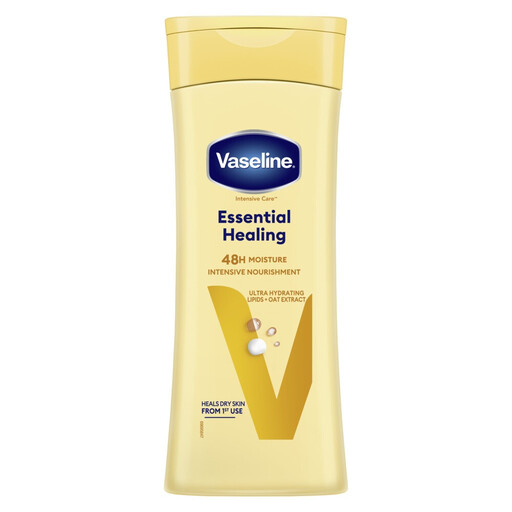
Why this fits the profile: The 400 ml pack is suitable for daily use on dry, rough skin and contains, among other things, glycerine, petrolatum and oat extract according to the product information.
The product description mentions 48-hour hydration and a non-greasy texture; compare this with your own application routine rather than relying solely on the claim.
400 ml content; according to the ingredients list, contains glycerine, petrolatum and oat extract.
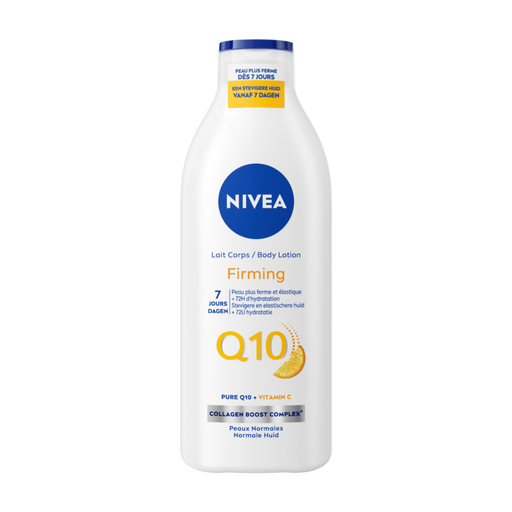
Why this fits the profile: This lotion is designed for those looking for a light, fragranced formula with Q10 and vitamin C as recognisable ingredients.
The firming claim is based on NIVEA’s own research from an instrumental test with 44 volunteers; treat this as brand information, not a guaranteed personal result.
400 ml content; according to the ingredients list, contains ubiquinone (Q10), sodium ascorbyl phosphate and shea butter.
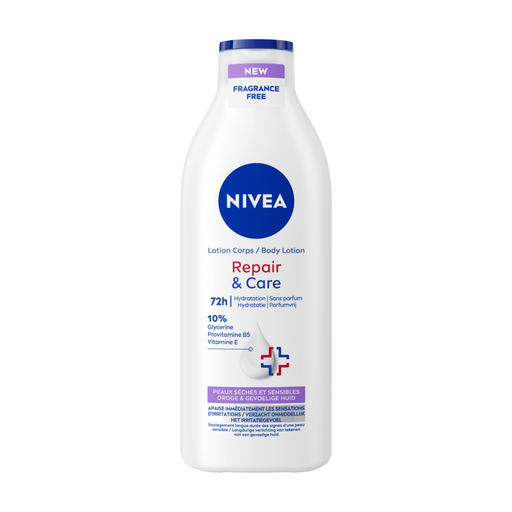
Why this fits the profile: A practical choice for anyone caring for dry, sensitive skin and deliberately looking for a fragrance-free body lotion for daily use.
The formula lists no perfume, so you’re not selecting solely on the basis of a pleasant scent when fragrance is unwanted.
400 ml content; according to the product information, contains a 10% glycerine complex, provitamin B5 and vitamin E.
We’ve put together a full, up-to-date list of products that fully meet these strict selection criteria and comply with current European safety regulations.
Apply the lotion to clean skin after showering, ideally. Pat your body dry first so your skin isn’t soaking wet. Spread the body lotion over your arms, legs, shoulders and torso, and pay extra attention to your elbows, knees and heels.
With a self-tanning body lotion, even application is key. Use less product on your knees, ankles and elbows, as these areas can absorb colour more strongly. Wash your hands afterwards and let the lotion sink in completely before getting dressed.
That depends on your skin and your routine. Applying it daily after a shower is a practical starting point for dry skin. Normal skin may sometimes need less, while dry areas could benefit from extra care.
Body lotion is usually lighter and spreads more easily. A body cream often has a richer texture and can be more comfortable for very dry skin or localised dry patches. Always check the ingredients and texture, as the naming varies between brands.
No. A body lotion with Q10 cares for the skin according to the product description, but it isn’t a sun protection product. A self-tanning body lotion gives you a tan without automatically providing any protection against UV radiation. For that, use a separate product with appropriate sun protection.
