
Vandaag of morgen in huis

Kwaliteit gegarandeerd

Welkomstaanbiedingen ontgrendelen: GRATIS bezorging | Tot 80% korting | Gratis 30 dagen JoyPlus-proefperiode
Download de app
Dry skin doesn’t automatically call for a thick cream. Sometimes a light body milk feels more comfortable, while rough patches on elbows, knees or heels benefit from a richer body cream. Sun protection, self-tanning and body oil each serve a different purpose too.
This can quickly make product selection confusing. Marketing terms like “72-hour hydration”, “natural ingredients” or “clinically proven” sound appealing, but they don’t always tell you how a product will fit into your daily routine. So pay particular attention to texture, ingredients, area of use and the evidence behind the claims.
Brands often claim 24, 48 or 72 hours of hydration. That’s not a universal guarantee for every user. With NIVEA products, for example, it refers to an instrumental test or self-assessment under specific conditions. NIVEA states that the Repair & Care Urea Body Cream was assessed by 41 volunteers, measured 72 hours after two weeks of use.
Treat such information as an indication, not a promise for your skin. Showering, cold weather, central heating and frequent hand washing can all affect how often you need to reapply.
A product for all skin types can be practical, but very dry skin often needs a richer formula than normal skin. Look out for ingredients like glycerine, urea, hyaluronic acid, panthenol, shea butter or plant oils. Also check for fragrance and alcohol denat. if your skin is sensitive to them.
A moisturising body lotion does not provide sun protection unless it clearly states an SPF on the label. A self-tanning body lotion with dihydroxyacetone, such as NIVEA Sun Touch, gives a tanned tint according to the product description, but it does not replace sunscreen. For sun exposure, you need a separate sun product with appropriate UVA and UVB protection.
A light formula is not necessarily less nourishing. The most important thing is that you use the product consistently. Apply body lotion preferably after showering, when your skin is clean and still slightly damp.
Don’t just look at individual ingredients on the front. The ingredients list gives you more context:
You need to read brand claims about effectiveness in the right context. According to NIVEA’s own research, some body milks hydrate for up to 72 hours; the stated test conditions are in the product description. This doesn’t automatically mean every skin will get the same result.
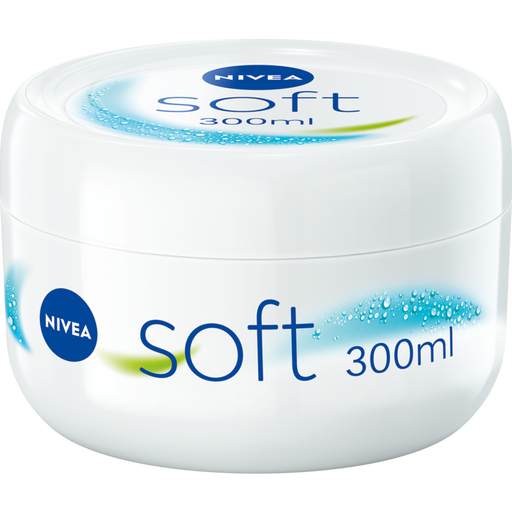
Why this fits the profile: A versatile face and body cream for daily use on your face, body and hands. The light texture is practical if you want to get on with your day quickly after applying.
The product information mentions fast absorption and a non-greasy finish. This means you don’t need to buy a separate cream for each body zone straight away.
Contains vitamin E and 100% natural jojoba oil according to the product description; 300 ml size for regular use.
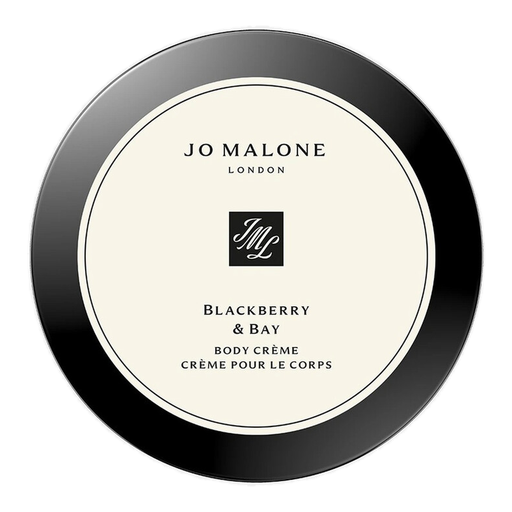
Why this fits the profile: Ideal if you want to combine body care with a sophisticated fragrance experience and a richer cream formula.
The product details clearly state that this is a body cream for the body. So don’t expect sun protection or a self-tanning effect.
Contains, according to the ingredients list, glycerine, jojoba oil, cocoa butter and sweet almond oil; 175 ml size.
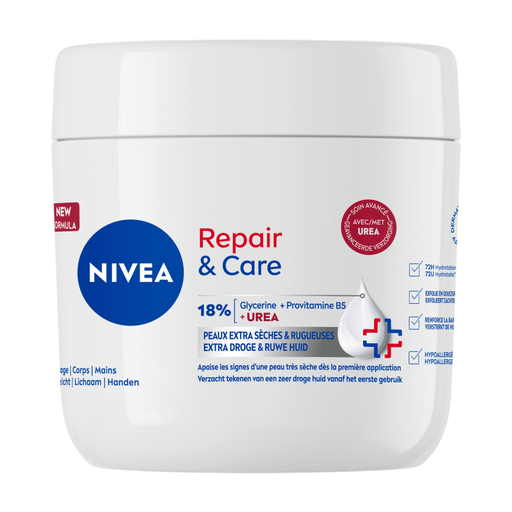
Why this fits the profile: Designed for adults looking for a body cream for dry, very dry or rough skin who appreciate a fuller formula.
The formulation lists urea, glycerine and provitamin B5. This allows you to make a more targeted choice than relying solely on the term “intensive care”.
400 ml size; according to NIVEA’s own research, up to 72 hours of hydration is claimed after two weeks of use and a test with 41 volunteers.
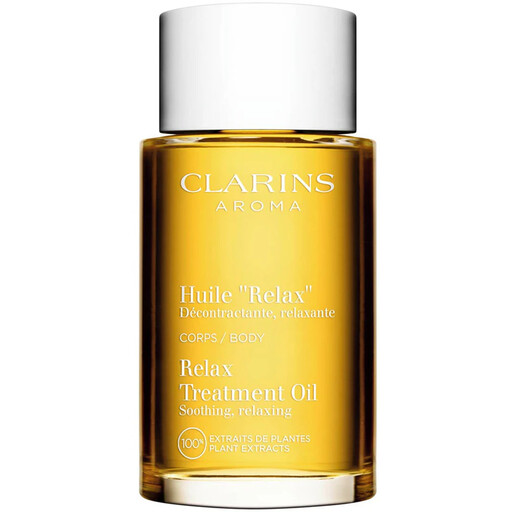
Why this fits the profile: For those who want to use a body treatment oil after showering or during a massage and appreciate a plant-based formulation.
The product information clearly states the oil formula and its use on the body. Do not use this as a replacement for sunscreen or a facial product.
100 ml; according to the product description, a 100% plant-based formulation containing hazelnut oil and essential oils.
We’ve put together a full, up-to-date list of products that fully meet these strict selection criteria and comply with current European safety regulations.
Body lotion and body milk are usually more liquid and suitable for large areas. Body cream is thicker and better suited to dry zones or use before bed. The exact texture varies by brand, so check the product description and ingredients list.
That depends on your skin feel, the season and the product. Applying daily after showering is a practical routine. If your skin feels tight or rough again later in the day, you can reapply to those areas. With sunscreen SPF 50, always follow the instructions and reapply after swimming, towel drying or sweating.
Check the expiry information and batch number on the packaging. Store body cream and body lotion at room temperature, out of direct sunlight and away from heat. If the scent, colour or texture changes, stop using it and consult the packaging information.
