
Livraison le jour même et le lendemain

Qualité garantie

Débloquez vos offres de bienvenue: Livraison GRATUITE | Jusqu'à -80 % | 30 jours d'essai gratuits à JoyPlus
Téléchargez l'application
Jasmine rice is popular with lovers of curry, stir-fries and other Asian meals. However, packs that look almost identical can vary considerably in origin, grain structure and size. If you focus only on eye-catching packaging or a low price per kilo, you could end up buying rice that does not suit your intended dish or remains open in the cupboard for too long.
Pay particular attention to these three common pitfalls:
Thai jasmine rice is often referred to as Thai Hom Mali rice. Product information may also use terms such as “Thai jasmine rice” or “fragrant rice”. These names can help when comparing products, but always check the stated country of origin.
The origin does not automatically determine whether rice is good or bad. However, the aroma, grain shape and texture can vary between varieties. Cambodian jasmine rice, Vietnamese rice and Thai white jasmine rice can each provide a different cooking experience.
Also pay attention to the ingredients:
Jasmine rice is a long-grain rice that, according to product descriptions, generally becomes soft, aromatic and slightly sticky after cooking. The exact texture also depends on the amount of water, whether the rice is washed and how long it is left to rest after cooking.
For light, fluffy rice with curry or stir-fries, it is important to:
Do not use a general ratio instead of the instructions on the pack. These may vary from one product to another. For example, a product listing for AAN Jasmine Rice recommends approximately one cup of rice to two cups of water, while other products specify a smaller amount of water.
For a household that eats rice several times a week, 5 kg jasmine rice can be a practical choice. A 10 kg jasmine rice bag is better suited to regular use or a large family. For restaurants, caterers and high-volume users, 18 kg jasmine rice, 20 kg or another large pack of jasmine rice is often the more logical option.
Store an opened bag:
Before buying, also check the best-before date and the condition of the packaging. Do not use a bag if it is damaged. The information on the packaging remains the most important source of guidance, particularly for preparation instructions, allergens and shelf life.
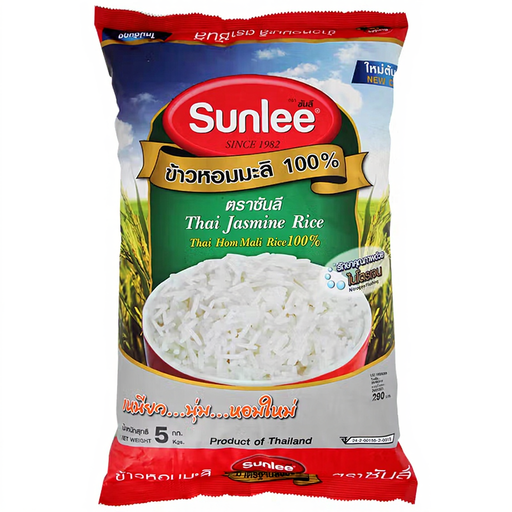
Why it suits this profile: The size is manageable for households that use jasmine rice regularly but do not want to store a large pack. The product information states that it contains 5 kg of long-grain rice from Thailand.
You do not have to buy an 18 or 20 kg bag straight away. This means the rice will stay open for less time, and you can first decide whether the flavour and texture suit your meals.
5 kg pack; 100% long-grain jasmine rice according to the product information; suitable for stir-fries and everyday meals.
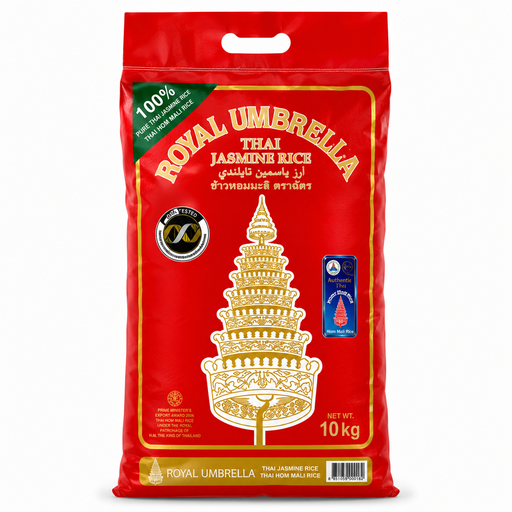
Why it suits this profile: The product listing specifies 100% Thai Hom Mali jasmine rice, a natural aroma and a soft, fluffy texture after cooking. This makes it a good choice for anyone specifically looking for the characteristics of Thai rice.
The listing states both the type of rice and its origin. You therefore do not have to rely solely on terms such as “aromatic” or “premium”.
10 kg pack; 100% Thai Hom Mali according to the product information; suitable for curry, stews and grilled dishes.
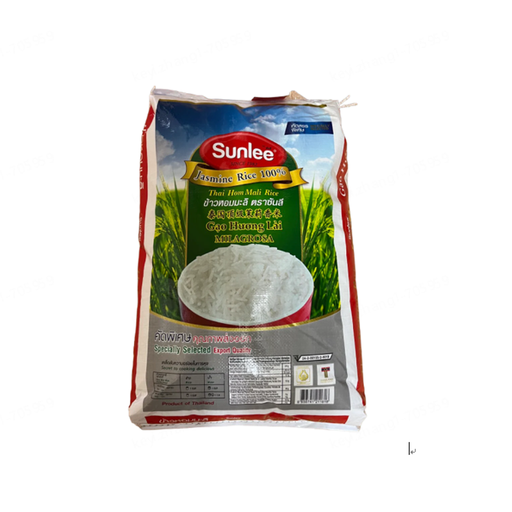
Why it suits this profile: The 18 kg pack is aimed at restaurants, caterers, large families and other users who prepare rice frequently. The product information states that it is Thai Hom Mali long-grain rice, suitable for steamed and fried rice dishes.
The larger size only makes sense if you use a lot of rice. Check beforehand that you have a dry, sealed storage area so that the rice does not remain stored unnecessarily long or become damp.
18 kg large pack; 100% Thai Hom Mali according to the product listing; suitable for catering, large meals and daily high-volume use.
We have put together a complete, up-to-date list of products that fully meet these strict selection criteria and the applicable European safety regulations.
Wash the rice gently until the rinsing water is less cloudy. Then add the amount of water stated on the pack. Too much water can produce a softer, stickier texture, while too little water can leave the grains hard. Leave the rice covered for a few minutes after cooking, then fluff the grains with a fork.
Instructions vary from one brand to another. Therefore, follow the product packaging rather than using one fixed cooking method for all jasmine rice.
Not always. Jasmine rice is a type of rice, whereas Thai rice refers to its origin. Thai jasmine rice and Thai Hom Mali rice come from Thailand, but fragrant jasmine rice products are also available from countries including Cambodia, Vietnam and China.
This depends on the best-before date, storage conditions and packaging. Store the rice in a dry, cool place and keep it tightly sealed. Always check the date and the label. A large bag is most practical when you use its contents regularly.
For occasional or average use, 5 kg of jasmine rice is often a manageable amount. If you cook for several people several times a week, you may want to consider 10 kg. A pack of 18 kg or more is mainly suitable for large families, restaurants, caterers and other high-volume users. Calculate the price per kilogram and factor storage space into your decision.
