
Vandaag of morgen in huis

Kwaliteit gegarandeerd

Welkomstaanbiedingen ontgrendelen: GRATIS bezorging | Tot 80% korting | Gratis 30 dagen JoyPlus-proefperiode
Download de app
Pigmentation, dark spots and a dull complexion can be difficult to assess. A serum is quickly promoted as a fast solution, but not every serum for dark spots is suitable for every skin type. The right choice depends on the ingredients, concentration, formula and your daily routine.
Also consider what a product actually promises. Based on a brand’s own research or the product description, a serum may help reduce the appearance of dark spots or an uneven complexion. This does not guarantee the same result for every user. Expectations, skin type and consistent use all play a part.
A niacinamide serum with 10% or 15% may sound powerful, but a higher concentration can feel less comfortable on some skin types. Sensitive skin in particular may react to a combination of several active ingredients. So do not just look at the percentage; also check the rest of the ingredients list and the directions for use.
Vitamin C, alpha-arbutin, niacinamide, tranexamic acid and exfoliating ingredients are often combined in a single routine. This can make things unnecessarily complicated. It is better to start with one serum for dark spots and only add a second product later if your skin tolerates it well.
A serum for hyperpigmentation is not a substitute for sun cream. Exposure to UV rays can make discolouration more noticeable. During the day, use a sun protection product according to the instructions on the packaging, particularly when using a vitamin C serum or another brightening formula.
A range of ingredients is used to improve the appearance of an uneven complexion:
Always check the current ingredients list on the packaging. Formulas can change, and product information on a sales page may differ from that on older packaging.
A lightweight, water-based formula can feel comfortable on oily or combination skin. A gel texture often feels less heavy. If you have dry skin, look for glycerine, hyaluronic acid, panthenol or other moisture-binding ingredients. A hydrating face serum may then be a more practical choice than a highly concentrated formula that feels drying.
For sensitive skin, a fragrance-free formula and a short ingredients list are often easier to assess. Carry out a patch test before use and do not apply a new product directly to irritated or damaged skin.
A 30 ml bottle is common, while 9 ml ampoules can be useful for trying a formula first. Check the recommended frequency of use, the shelf life after opening and the storage conditions. A vitamin C product may require extra care when it comes to storage. Always follow the label for the specific product.
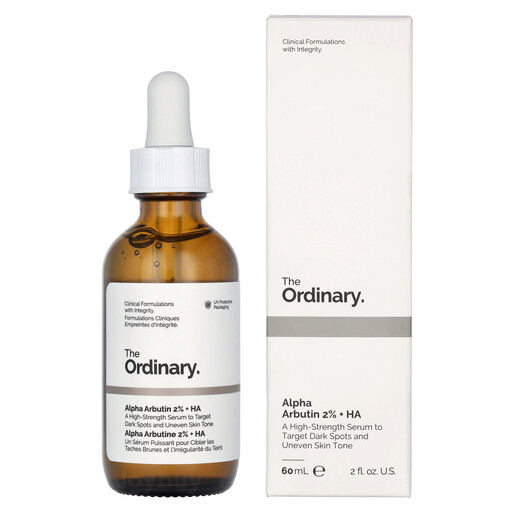
Why it suits this profile: A straightforward water-based formula with 2% alpha-arbutin and hyaluronic acid. The 60 ml size is practical for anyone who wants to use a serum regularly.
The concentration of alpha-arbutin is clearly stated, so you do not have to rely solely on general terms such as glow or brightening.
60 ml; alpha-arbutin and sodium hyaluronate; according to the product information, suitable for all skin types, including sensitive skin.
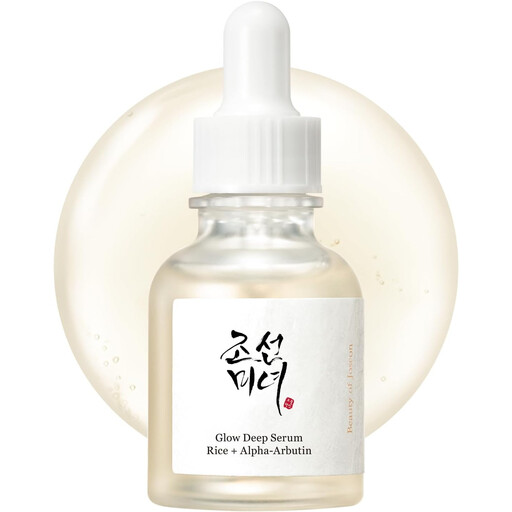
Why it suits this profile: A Korean skincare serum formula with rice bran water, 2% alpha-arbutin, niacinamide and panthenol for users who want to combine skincare and hydration.
The product description lists both active and hydrating ingredients, making the formula easier to assess than a claim without any ingredient context.
30 ml; 2% alpha-arbutin; according to the product details, fragrance-free, alcohol-free, vegan and suitable for evening use.
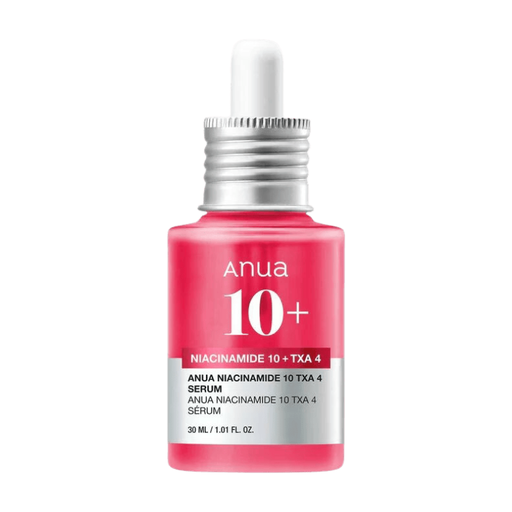
Why it suits this profile: Designed for users who want to compare several specifications: 10% niacinamide, 4% tranexamic acid, alpha-arbutin and hyaluronic acid in one formula.
The percentages of niacinamide and tranexamic acid are clearly stated. However, introduce it gradually if your skin is prone to sensitivity.
30 ml; pump bottle; fragrance-free and alcohol-free according to the product details; contains several hydrating ingredients.
Apply a few drops to cleansed skin, usually after toner and before moisturiser. Follow the product instructions: some serums are intended for morning and evening use, while others are recommended for use in the evening.
If you have sensitive skin, start by applying it every other day. Do not immediately combine several powerful products. Use sun protection during the day and stop using the product if irritation persists. For stubborn or changing spots, it is advisable to seek medical advice; cosmetics are not a treatment for skin conditions.
We have put together a complete, up-to-date list of products that fully meet these strict selection criteria and the applicable European safety regulations.
A visible difference is not guaranteed and may take time. A serum’s product description may refer to reducing the appearance of dark spots, but results vary from person to person. Consistent use according to the label and daily sun protection are important.
Look for a fragrance-free formula with hydrating ingredients and test a small amount first. The Ordinary Alpha Arbutin 2% + HA states that it is suitable for all skin types, including sensitive skin. A gentle vitamin C serum may also be suitable, provided your skin tolerates the product well.
This varies from product to product. Check the symbol and instructions on the packaging, such as 6M or 12M. Some vitamin C serums come with additional storage advice. Store a serum in a cool, dry place away from direct sunlight when recommended on the label.
