
Vandaag of morgen in huis

Kwaliteit gegarandeerd

Welkomstaanbiedingen ontgrendelen: GRATIS bezorging | Tot 80% korting | Gratis 30 dagen JoyPlus-proefperiode
Download de app
A collagen supplement may seem straightforward to choose, but packaging can vary considerably in dosage, source and ease of use. One formula may contain 20 grams of collagen per serving, while another tablet provides only a fraction of that amount. Terms such as “marine”, “triple collagen” and “glass skin” also say little on their own about what you are actually buying.
If your main aim is to support your skin, skin elasticity or hydration, it is worth comparing marketing claims with verifiable product information. Look at the format, the amount of collagen per daily dose, allergens and additional ingredients. Below are the key points to consider, along with some suitable options.
Do not compare only the weight shown on the front. Check:
For example, a 284-gram tub may contain 14 servings of 20 grams. A smaller pack may instead offer 21 servings of 2.5 grams. The contents and number of daily doses therefore give you a better idea of what you are getting.
Marine collagen comes from fish. According to the product information for Vital Proteins Marine Collagen, the product contains fish collagen and may contain milk. Lucovitaal Collagen Marine Effervescent Tablets also list fish as an allergen.
Always check the full ingredients list. Bovine collagen means collagen from cattle, so it is neither vegetarian nor vegan. Products containing collagen from eggshell membrane come from a different source and are not vegan either. If you have an allergy or are unsure about using a product alongside medication, consult a doctor or pharmacist.
A collagen serum, collagen face mask or cream works differently from a supplement. The product is applied to the skin and is intended for skincare. According to the product description for Medicube Triple Collagen Serum, the serum contains hydrolysed collagen, atelocollagen, soluble collagen, niacinamide and hyaluronic acid, among other ingredients.
This does not automatically mean that a serum increases collagen production in the body. Treat terms such as “firming”, “plumping” and “elasticity” as the brand’s product positioning, and focus mainly on the ingredients, directions for use and your skin’s tolerance. If you have sensitive skin, test a new product on a small area first.
Collagen powder is convenient if you want to mix it into water, coffee, a smoothie or yoghurt every day. Vital Proteins Collagen Peptides Natural states that it contains 20 grams of bovine collagen peptides per serving and has an unsweetened, flavourless formula with a single ingredient. The recommended serving is a maximum of 20 grams per day.
Collagen tablets are practical when you are out and about, but check how many tablets make up one serving. Body & Fit Collagen Tabs recommend three tablets per day and provide, according to the product information, 2,500 mg of Verisol collagen and 40 mg of vitamin C per daily dose.
Sachets and liquid shots save you the effort of mixing. According to the label, Lucovitaal Super Collagen 2500 mg Sachets contain 2,500 mg of collagen peptides, 60 mg of vitamin C and 20 mg of hyaluronic acid per sachet. Swedish Collagen Deluxe Shots provide 12,500 mg of hydrolysed marine collagen per 25 ml bottle, according to the product description.
Look out for the difference between:
Also check whether the product may contain milk, fish or other allergens. “Gluten-free” or “lactose-free” says nothing about fish allergens or the animal source.
Many products contain collagen with vitamin C. According to permitted European nutrition claims, vitamin C contributes to normal collagen formation for the normal function of the skin. This is a specific claim about vitamin C, not a guarantee that every collagen supplement will have the same effect.
Some formulas also contain collagen with hyaluronic acid. Lucovitaal Super Collagen 2000 mg states that each daily dose contains 2,000 mg of hydrolysed collagen, 80 mg of vitamin C and 40 mg of hyaluronic acid. Compare these amounts with your own preferences and always follow the recommended dosage on the label.
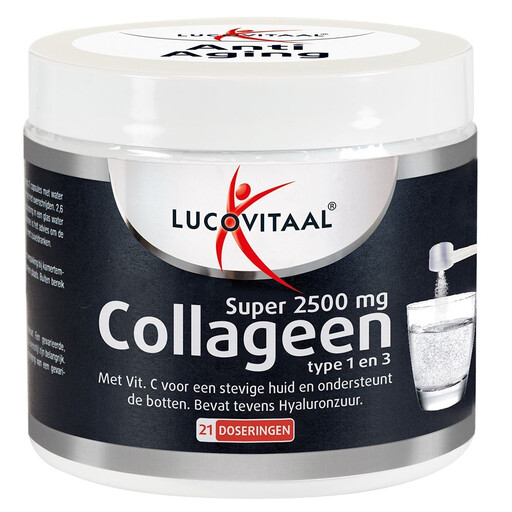
Why it suits this profile: The powder format is easy to measure and mix every day with approximately 250 ml of water or fruit juice. The packaging states that it contains 21 doses.
The daily dose and composition are clearly stated: 2,500 mg of collagen, 60 mg of vitamin C and 20 mg of hyaluronic acid per serving.
21 servings, powder format and, according to the product information, none of the 14 main EU allergens.
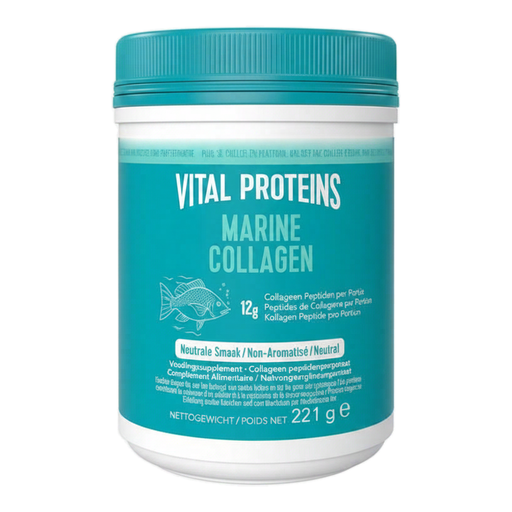
Why it suits this profile: For anyone specifically looking for marine collagen and a flavourless powder to use in hot or cold drinks and meals.
The source and fish allergen are clearly stated. This allows you to make an informed comparison between marine and bovine collagen.
12 grams of collagen per serving, 18 servings per pack and, according to the product information, gluten-free and lactose-free.
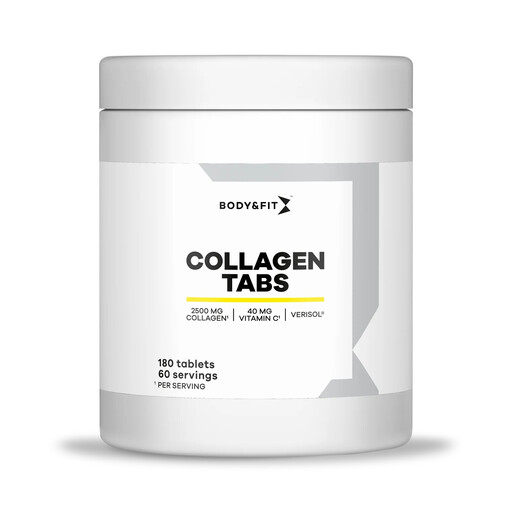
Why it suits this profile: Tablets are suitable for active users or anyone who does not want to measure and mix powder.
The daily amount is specific: three tablets provide, according to the product information, 2,500 mg of collagen and 40 mg of vitamin C.
180 tablets, 60 servings and a formula with type 1 and type 3 collagen, according to the product description.
A supplement suits anyone looking for a daily intake. For direct care of dry or tight-feeling skin, you could also explore Korean skincare with collagen, such as a serum, jelly cream or face mask. According to the ingredients list, Medicube Triple Collagen Serum 4.0 contains several forms of collagen, niacinamide and hyaluronic acid. Peptide Collagen Brightening Water Gel Mask contains hydrolysed collagen, peptides, ceramides and several forms of hyaluronic acid, among other ingredients.
Use cosmetics as directed and stop if irritation occurs. A mask is for single use; after opening, a serum or cream has a limited shelf life as stated on the packaging. These products are not a substitute for a varied diet and are not intended to treat medical conditions.
We have put together a complete, up-to-date list of products that fully meet these strict selection criteria and the applicable European safety regulations.
That depends on the recommended serving. A pack containing 21 doses lasts approximately three weeks when used daily. A tub with 60 servings lasts around two months when taking one daily serving. Check the dosage on the label rather than looking only at the total weight.
Powder usually gives you greater flexibility over the amount and can be mixed into a drink or meal. Tablets are easier to take with you, but you often need to take several tablets per day. Choose the format you can use consistently.
You can do so according to the directions for use of the product concerned, but do not simply combine several supplements without checking your total intake. Follow the recommended daily dose and do not use a supplement as a substitute for a varied diet and a healthy lifestyle.
