
Vandaag of morgen in huis

Kwaliteit gegarandeerd

Welkomstaanbiedingen ontgrendelen: GRATIS bezorging | Tot 80% korting | Gratis 30 dagen JoyPlus-proefperiode
Download de app
A belt may seem like a simple accessory, but you’ll soon notice if you’ve chosen the wrong one. A men’s belt may be too short, a women’s belt may fasten in the wrong place, and a unisex belt may offer less adjustability in practice than the product photo suggests. Buckles, belt loops and faux leather can also wear out sooner than expected.
Look out for these three common pitfalls:
Read on to find out which specifications matter and which belts suit different uses.
Measure your waist, or the part of your body where you want to wear the belt, while wearing the clothes you usually pair it with. Then check the product’s size guide. A size 85 leather belt won’t necessarily fit the same waist measurement across all brands.
Pay attention to the design, too:
According to the product information, the Canvas Belt Black One Size is 120 cm long and 3.8 cm wide. Its strap is infinitely adjustable. This can be useful if you want a flexible fit, but check that 120 cm is long enough for your waist and clothing layers.
A leather belt often works well with smart trousers, jeans and workwear. Be aware of the differences between:
Marketing terms such as “durable” or “premium” don’t tell you much on their own. Check the exact composition, width, buckle type and care instructions instead.
A belt around 3.5 cm wide is generally versatile enough for jeans, chinos and many smart trousers. A wider belt looks more robust and may not fit through narrow belt loops. A slim buckle usually works better with formal clothing.
A black belt is easy to wear with black shoes and a suit. Brown goes well with jeans, chinos and casual shoes, but check the undertone of the leather or fabric. A matt metal buckle looks more understated than a large, shiny one.
For outdoor activities, low weight and easy adjustment matter. Fitness and strength training have different requirements. A weightlifting belt is often thicker and stiffer than an everyday belt. According to the product description, the Thor Athletics Lever Belt is 10 mm thick and designed for strength training. The manufacturer also states that the belt isn’t a safety device and won’t compensate for poor lifting technique.
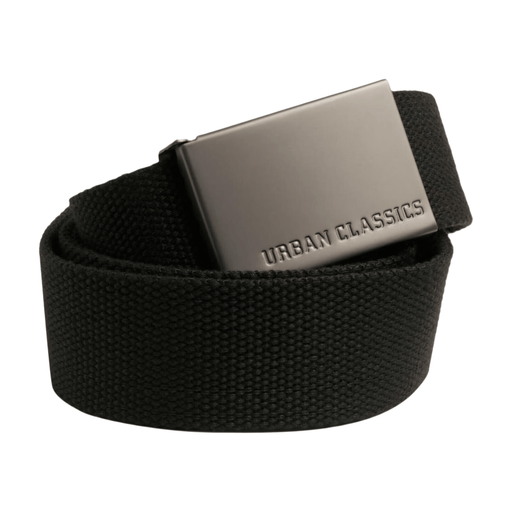
Why it suits this profile: The black canvas strap is designed for everyday wear with jeans, chinos and casual clothes. Its one-size design is handy if you want to adjust it quickly.
The product information gives a length of 120 cm, a width of 3.8 cm and an infinitely adjustable strap. This means you don’t have to rely solely on fixed holes.
Made from 100% polyester canvas according to the product details, with a metal buckle. Clean with a soft, damp cloth.
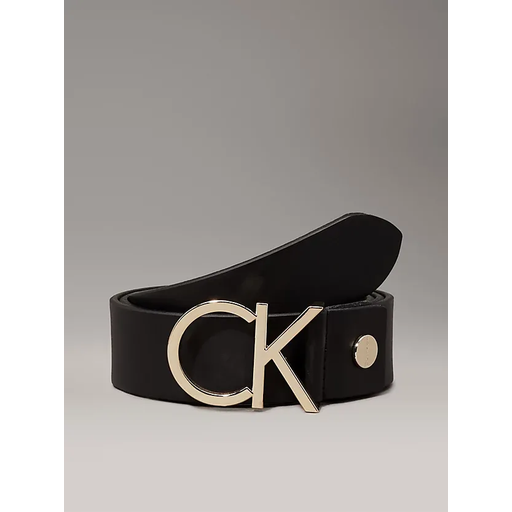
Why it suits this profile: This black leather belt is a good choice if you’re looking for one accessory to wear with jeans, trousers and formal outfits.
The product description specifically states that it’s made from genuine leather and has a metal buckle. Before buying, check the available size, as size 85 won’t fit every waist.
Black colour, leather as the main material and several sizes according to the product information.
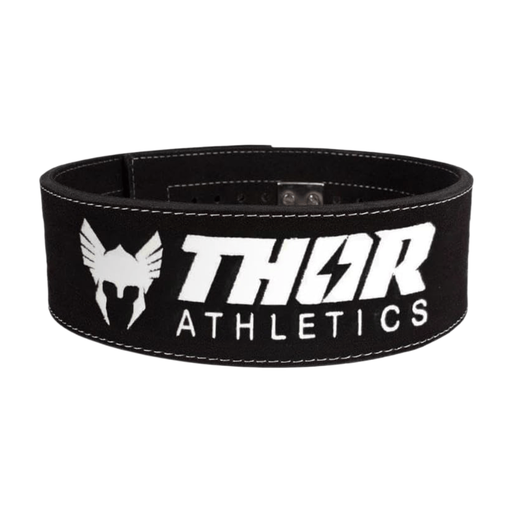
Why it suits this profile: This weightlifting belt is designed for strength training, not as an everyday men’s or women’s belt.
The thickness, fastening and intended use are clearly specified. According to the product description, you should check the lever before every set and replace the belt if it’s damaged.
10 mm split leather, a metal lever buckle and sizes for waist measurements from 61 to 131 cm, according to the product details.
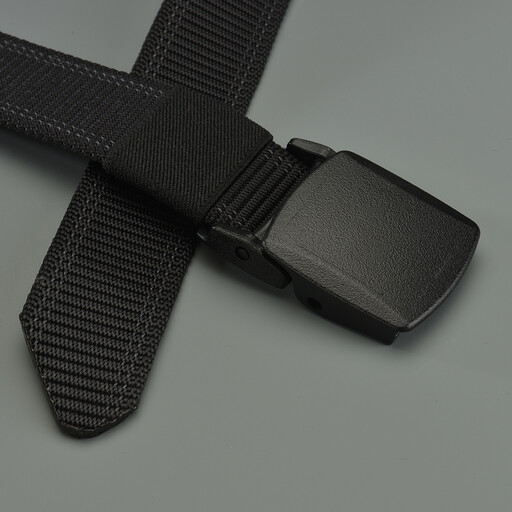
Why it suits this profile: The product name suggests this style is designed for walking and outdoor activities, where a lightweight design can come in handy.
Its intended use for outdoor activities and walking is clearly stated. Before buying, check the size information and fastening, as these details aren’t fully covered in the available description.
Black colour and a product description that emphasises lightweight walking and outdoor use.
We’ve put together a complete, up-to-date list of products that meet these strict selection criteria and current European safety regulations.
Measure your waist where you wear the belt and compare it with the size guide for the specific product. Don’t look only at the overall length. For a belt with a buckle, the distance from the buckle to the middle hole may be more important.
How long it lasts depends on the material, wear, moisture and care. Keep a leather belt dry, avoid prolonged contact with water and follow the care label. A belt made from polyurethane, canvas or bonded leather fibre has different properties from one made from real leather.
For strength training, choose a style specifically designed for it, such as a weightlifting belt with a suitable thickness and fastening. A regular formal or casual belt doesn’t have the same construction. Check the buckle, stitching and strap before each use, and don’t use the belt as a substitute for proper lifting technique.
