
Vandaag of morgen in huis

Kwaliteit gegarandeerd

Welkomstaanbiedingen ontgrendelen: GRATIS bezorging | Tot 80% korting | Gratis 30 dagen JoyPlus-proefperiode
Download de app
Buying Asian snacks in the Netherlands is easy, but picking the right one takes a bit more care. Packaging often features eye-catching flavour names such as mala, honey butter, barbecue or cucumber. These names don’t always tell you enough about the ingredients, allergens or portion size.
What’s more, photos can make a packet look bigger than it actually is. And with unusual flavours, it’s hard to tell beforehand whether you’re getting a sweet, salty, sour or spicy snack. By following the checks below, you can avoid disappointing purchases and choose more wisely from the range of Asian crisps, Chinese snacks and Korean snacks.
“Mala” usually refers to a combination of heat and a tingling or numbing effect from Sichuan pepper. However, the intensity varies from product to product. So check the ingredients list for things like chilli, Sichuan pepper, pepper powder and flavour enhancers.
The same goes for sweet snacks. A name like honey butter can simply refer to a seasoning mix containing sugar, milk derivatives or flavourings. Lay’s cucumber-flavoured crisps, for example, list cucumber powder, sugar, whey powder and flavour enhancers in their seasoning mix. That gives you a much clearer picture than the product name alone.
Some products are baked rather than fried. That’s a verifiable cooking method, but it doesn’t automatically mean the snack is suitable for every diet. Always compare the nutritional values per 100 grams.
According to the product information, Yan Jin Pu Zi O’Potato Original contains 32 grams of fat per 100 grams. The barbecue version lists 24 grams of fat per 100 grams. Figures like these are far more useful for comparison than vague terms such as “light” or “less oil”.
A 135 or 216 gram bag is handy for sharing, but once opened, the crispness fades. Smaller packs of 30 to 65 grams are more practical for a lunchbox, on the go, or when you want to try several different flavours. Also check the contents against the price, and make sure you know whether it’s a single pack or a multipack.
Always read the full ingredients list for Asian snacks. Pay particular attention to:
A product without listed allergens is not automatically suitable for someone with an allergy. Always check the current packaging and any warnings about possible traces.
Use the ingredients list to get a better idea of the flavour:
Check whether the product is fried, baked, vacuum-fried or needs to be cooked. Huaseed Original Juice Shrimp Chips, for example, are not ready-to-eat crisps: according to the product information, they need to be briefly fried in oil to puff up.
Then compare the energy, fat, saturated fat, sugar and salt per 100 grams. Use both the product page and the label on the packaging, because ingredients or packaging information can change.
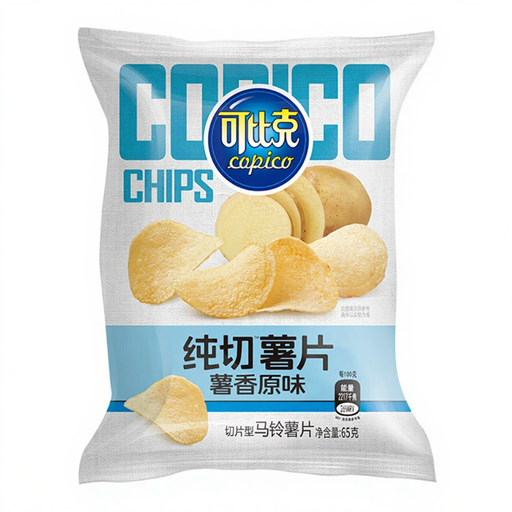
Why this fits the profile: The small pack size and neutral flavour make this an accessible introduction to Chinese snacks and classic potato crisps.
The 65 gram content reduces the risk of an awkwardly large bag when you’re just trying out whether the flavour suits you.
Original flavour, 65 grams and, according to the product information, no listed allergens.
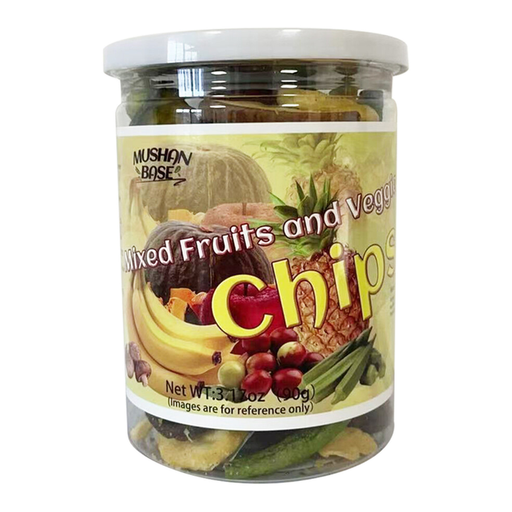
Why this fits the profile: The mix of purple sweet potato, banana, taro, apple, pea and carrot offers more variety than standard potato crisps.
The product description clearly lists the ingredients used and the vacuum-frying process, rather than just a general marketing term.
90 grams, multiple fruit and vegetable crisps and 0.3 grams of salt per 100 grams according to the product information.
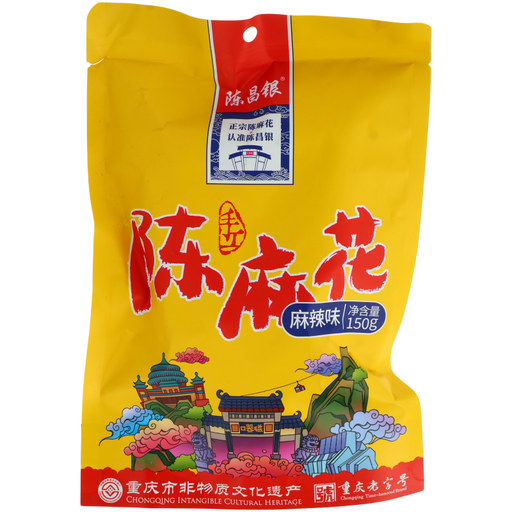
Why this fits the profile: This Chinese dough snack is aimed at fans of a pronounced Sichuan profile and a firm, twisted texture.
The product information clearly mentions mala, chilli-like seasoning and the allergens present: wheat, egg and sesame.
150 grams, crunchy twisted shape and a concrete ingredient overview for targeted comparison.
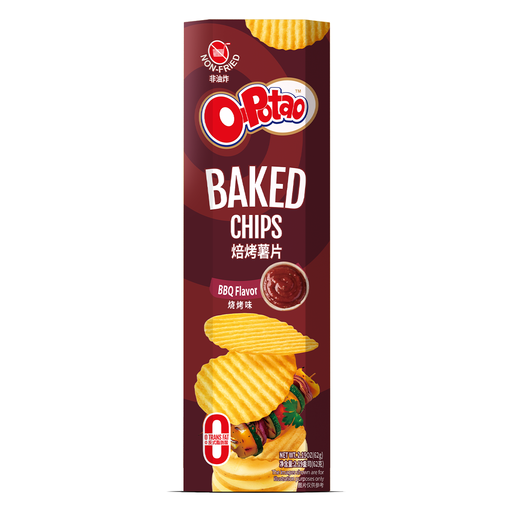
Why this fits the profile: The small size is easy to share across a snack platter, and the barbecue seasoning matches a familiar savoury flavour profile.
The cooking method is listed as baked, and the nutritional information provides concrete values to compare against fried crisps.
62 grams, baked cooking method and barbecue seasoning with tomato and paprika according to the product description.
We’ve put together a full, up-to-date list of products that fully meet these strict selection criteria and comply with current European safety regulations.
Start with familiar flavours such as original, barbecue or honey butter. If you’re after something fresher, try cucumber or lime flavour. For a more adventurous profile, mala snacks, prawn flavour and spicy dough snacks are good options. If in doubt, choose a small pack so you can compare several flavours.
First, check the ingredients and allergens. Then look at the nutritional values per 100 grams and the net weight. A flavour name like “spicy”, “mala” or “honey butter” describes the direction of the taste, but not always its intensity. The exact spices and flavour enhancers are listed in the ingredients.
Store opened crisps and fruit and vegetable crisps in an airtight container in a cool, dry place. This helps preserve their crunchiness. For products such as a gluten snack, follow the specific instructions: some packs recommend refrigeration after opening. Always check the best-before information and do not use a pack if it is damaged.
