
Vandaag of morgen in huis

Kwaliteit gegarandeerd

Welkomstaanbiedingen ontgrendelen: GRATIS bezorging | Tot 80% korting | Gratis 30 dagen JoyPlus-proefperiode
Download de app
A jar of Asian chilli sauce can quickly add more flavour to a bowl of noodles, rice or dumplings. However, sauces vary considerably in sweetness, texture, heat and how they are used. A sweet dipping sauce works differently from chilli oil with crunchy pieces, while sambal and gochujang each have their own flavour profile.
Anyone who relies solely on eye-catching packaging or the word “authentic” could end up buying a product that does not suit their cooking. Instead, pay particular attention to the ingredients list, the size and how you intend to use the sauce.
The term spicy is not always a fixed, comparable measurement. A sweet chilli sauce, for example, often contains relatively high levels of sugar and a milder chilli base. Sambal badjak hot or Chinese chilli oil may have a more intense chilli or spice flavour.
So look at:
A high percentage of chilli does not automatically mean the sauce will taste hotter. The type of chilli, preparation method and amount of oil or sugar also play a part.
An Asian dipping sauce is usually liquid or thick and pourable, and ready to use. Chilli oil consists mainly of oil with chilli and spices. Crispy chilli oil or chilli crisp also contains solid ingredients, such as crunchy chilli, peanuts, black beans or sesame.
You will notice the difference in how they are used:
A 700 or 850 ml bottle may seem appealing if you use sauce frequently. For occasional use, however, a 200 to 300 gram jar may be more practical. Also check the storage advice. Some products need to be refrigerated after opening, while others should be stored in a cool, dry place according to the product description.
Also pay attention to allergens. Products containing peanuts, soya, sesame or wheat are not suitable for every kitchen. The information on the packaging takes precedence, as labels and recipes may change.
First decide which flavour you are looking for. For something sweet and mild, a Thai chilli sauce is a sensible choice. For a savoury, spicy and crunchy option, Chinese chilli oil or chilli crisp are a better fit. If you are looking for a fermented, sweet-and-spicy base, consider gochujang.
Then compare the first five ingredients. If sugar comes first, the sauce will probably taste distinctly sweet. If oil comes first, it is more likely to be chilli oil. A high proportion of chilli, garlic or fermented soya points to a more pronounced savoury profile.
A smooth sauce is easy to measure out as a dip or marinade. Oil with solid pieces distributes differently throughout your dish. With products containing flakes or nuts, stirring well is important, as the oil and solid ingredients can separate.
Examples:
Compare the net quantity with how often you use it. A 500 gram jar is handy for regularly preparing Korean dishes, while 105 grams of chilli oil may be suitable for trying out a new flavour first.
Also check:
Nutritional information does not tell you everything about the flavour, but it does help you compare products objectively.
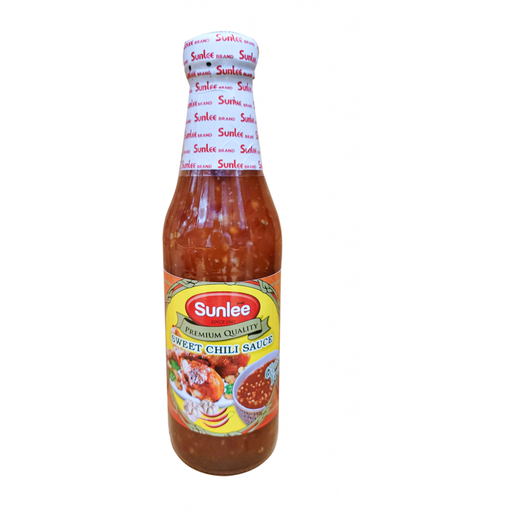
Why it suits this profile: The 300 ml bottle is suitable for anyone looking for a sweet, mild chilli sauce for snacks, marinades, dressings and stir-fries.
The product description states that it has a mild heat level and clearly explains how it can be used. The ingredients list includes sugar, red chilli, vinegar and garlic.
300 ml capacity; according to the product information, free from the 14 main EU allergens and without artificial colourings or preservatives.
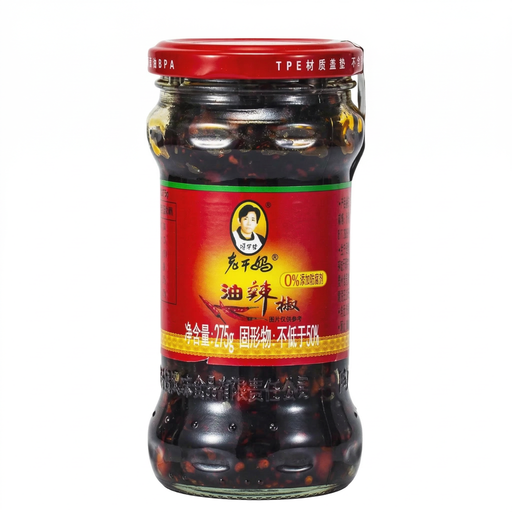
Why it suits this profile: According to the stated product specifications, this chilli crisp combines oil with 22% chilli flakes and 15% peanuts. This gives dishes an oily base and extra texture.
It is clearly not a smooth dipping sauce: the product description mentions crunchy pieces and recommends stirring the jar before use.
275 grams; suitable as a topping for noodles, rice, dumplings and stir-fries; contains peanuts and wheat.
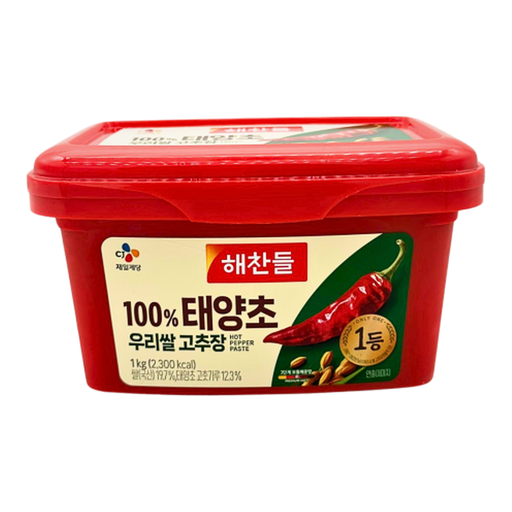
Why it suits this profile: The 1 kg size is ideal for home cooks who regularly make Korean marinades, soups and stir-fries.
The product description identifies it as a chilli paste, rather than a ready-to-use dipping sauce. This makes its intended use clear from the outset.
1 kg capacity; according to the product specifications, made with brown rice, soya beans and red pepper powder; contains soya.
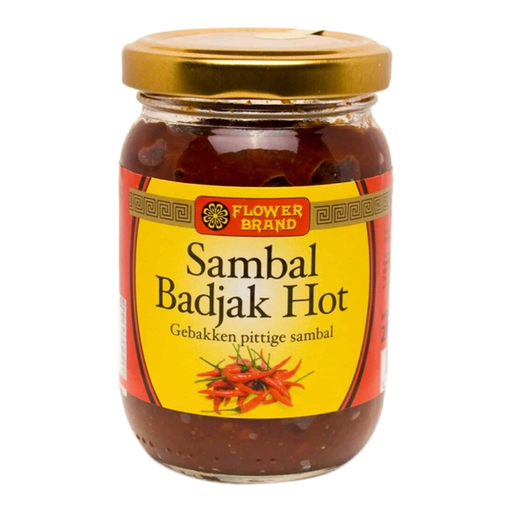
Why it suits this profile: Fried sambal goes well with rijsttafels, nasi, mie and dishes where you want to serve a concentrated chilli base alongside the meal.
The product information explicitly calls it “hot” and describes the sambal as fried. This makes the difference from a sweet chilli sauce clear.
200 grams; contains red chilli, onion, garlic, lemongrass and galangal, among other ingredients; according to the product information, without E621.
We have put together a complete, up-to-date list of products that fully meet these strict selection criteria and the applicable European safety regulations.
You can choose from several styles for noodles. Crispy chilli oil and Chinese chilli oil add oil, spices and sometimes crunchy pieces. A smooth Chinese chilli sauce or gochujang can be stirred into the sauce. Start with a small amount and add soya sauce, rice vinegar or sesame oil if desired.
An Asian dipping sauce for dumplings often contains chilli, oil, vinegar and possibly soya or garlic. Chilli crisp adds texture, while a smooth sauce is easier to measure out. If you have a peanut or soya allergy, always check the full ingredients list.
Always follow the instructions on the label. Store an opened bottle or jar in a cool, dry place when indicated, and refrigerate the product if this is specified on the packaging. Use a clean spoon, seal the jar tightly and check the best-before information on the packaging.
