
Vandaag of morgen in huis

Kwaliteit gegarandeerd

Welkomstaanbiedingen ontgrendelen: GRATIS bezorging | Tot 80% korting | Gratis 30 dagen JoyPlus-proefperiode
Download de app
Fine lines, dryness, loss of firmness and a dull complexion do not all call for the same cream. Yet many products are quickly labelled “anti-ageing”, even though their formulas, concentrations and usage instructions can vary considerably. A good choice therefore starts not with the promise on the front of the packaging, but with the ingredients list and how you intend to use the product.
Terms such as “lifting”, “collagen” or “intensive repair” sound convincing, but on their own they say little about how a product works. According to a brand’s own research, certain ingredients may make the skin look firmer or smoother. This is not a guarantee for every skin type or every user.
Look out for specific information:
A retinol cream, vitamin C cream or formula containing AHA and BHA may be worth considering for fine lines, uneven texture or a dull complexion. At the same time, active ingredients can cause dryness or irritation if used incorrectly.
For sensitive skin, start with a simple routine and introduce new products gradually. A cream containing glycerine, panthenol, ceramides or hyaluronic acid is often more suitable when the skin barrier feels dry or weakened. Always check the full ingredients list and, if in doubt, carry out a patch test on a small area of skin.
A 50 ml jar may seem good value, but the frequency of use and amount required vary from one formula to another. For example, retinol cream is often applied in a small amount, while a rich cream for dry skin can be applied more generously. Also check the expiry date and the period after opening shown on the packaging.
When choosing a face cream for wrinkles, the following ingredients are common points to consider:
A higher concentration does not automatically mean that a product is better suited to you. The combination of ingredients, texture and ease of use all help determine whether you will continue using the cream consistently.
A cream for mature skin is not necessarily heavy. Choose according to your own needs:
Retinol generally belongs in an evening routine. For example, start by using a small amount two or three evenings a week, and only increase usage if your skin tolerates it well. During the day, sun protection with at least SPF 30 is important, particularly when using retinol, AHA, BHA or certain vitamin C formulas.
A day cream with SPF can be convenient, but check that the level of protection suits your exposure to the sun. If you spend a long time outdoors, additional sun protection may be necessary.
The recommendations below are based on the listed ingredients, product size, usage instructions and product claims. Claims about firming, wrinkles or repair come from the brands’ product descriptions and are not presented as guaranteed results.
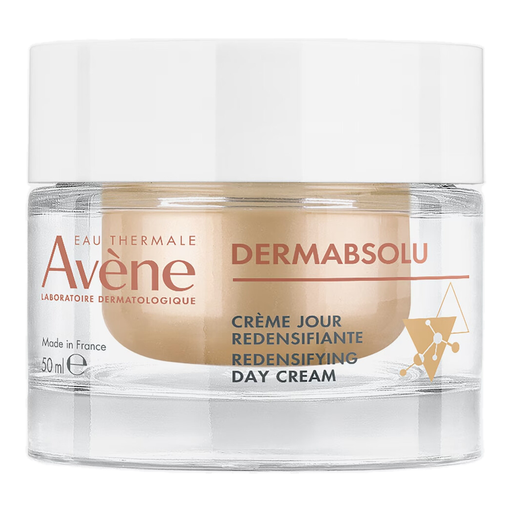
Why it suits this profile: According to the product details, this day cream is designed for mature skin and combines bakuchiol, pro-ceramides, glycerine and shea butter in a richer texture.
The product information identifies the skin type, time of use and active ingredients separately. This makes it easier to compare than relying solely on a “lifting” claim.
50 ml; intended for the face, neck and décolletage; according to the product details, vegan and dermatologically tested.
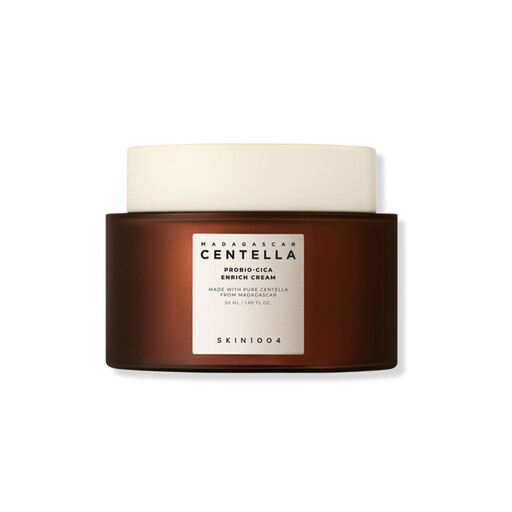
Why it suits this profile: According to the product description, the formula contains centella asiatica, ceramide NP, glycerine and shea butter. This makes it a good match for those primarily looking for hydration and comfort.
The ingredients list shows that, alongside centella, the cream also contains barrier-supporting ingredients. The product description states that it is suitable for sensitive skin, but a patch test is still advisable.
50 ml; ceramide NP and glycerine; according to the product details, vegan and cruelty-free.
We have put together a complete, up-to-date list of products that fully meet these strict selection criteria and the applicable European safety regulations.
Do not introduce several new active products at the same time. This makes it easier to assess which product feels comfortable and identify the cause of any irritation.
A cream can hydrate the skin, making fine lines appear temporarily less visible. Ingredients such as retinol, niacinamide and peptides are often used in products designed to give the skin a smoother or firmer appearance. According to brands’ own research, they may reduce certain visible signs of skin ageing, but results vary from person to person. A cream is not a substitute for medical advice.
Check the expiry date and the period after opening, for example 12 months if this is stated on the packaging. Store the cream in a cool, dry place away from direct sunlight. If its smell, colour or texture changes, it is best not to use the product.
This depends on the formula and how sensitive your skin is. Preferably use retinol in the evening and introduce it gradually. A vitamin C cream may be suitable in the morning, followed by sun protection. Do not immediately combine several strong active ingredients, and stop using the product if irritation persists.
